
A starter knife kit for kitchen work: what you need
A starter knife kit for kitchen work needs three knives, a steel or stone and a way to carry them. Here is what to buy first and what to skip.
Samir Ouali5 min read
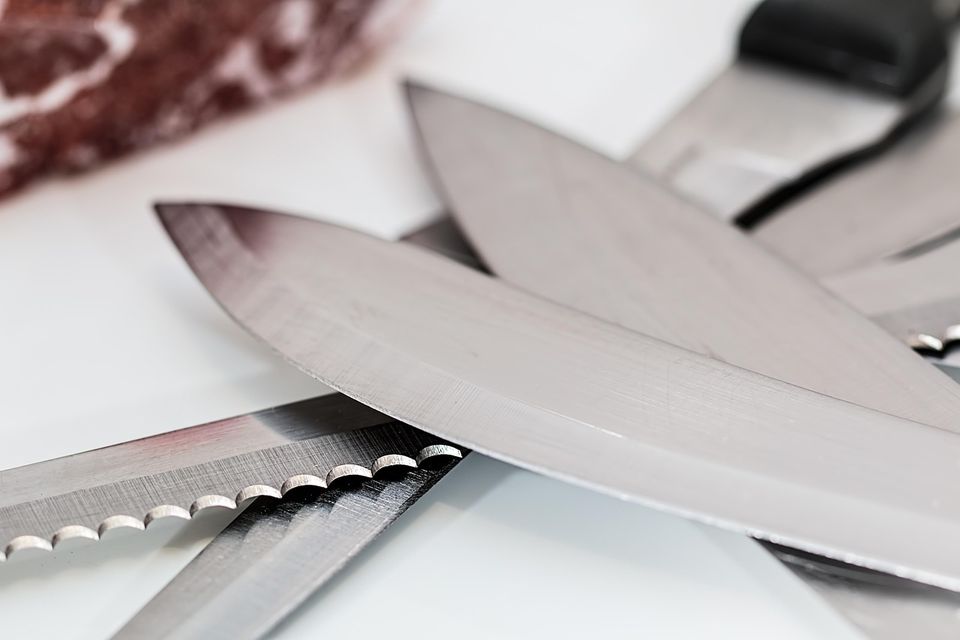
Three knives and a steel will cover most kitchen work. A chef's knife for the bulk, a paring knife for small jobs and a serrated knife for bread and tomatoes. Add a way to keep them sharp and a way to carry them. Buy more only when a task asks for it.
The kit in one table
| Item | Why it matters | What fails first |
|---|---|---|
| Chef's knife, 8 inch | Does most of the prep | The edge, then the handle grip if it is smooth |
| Paring knife | Small, close work | The tip, which snaps if used to pry |
| Serrated knife | Bread, tomatoes, soft skins | The teeth, which go dull but are hard to resharpen |
| Honing steel | Straightens the edge | The grip, if it is cheap |
| Knife guard or roll | Protects blades and fingers | The zip or strap |
The chef's knife: spend here first
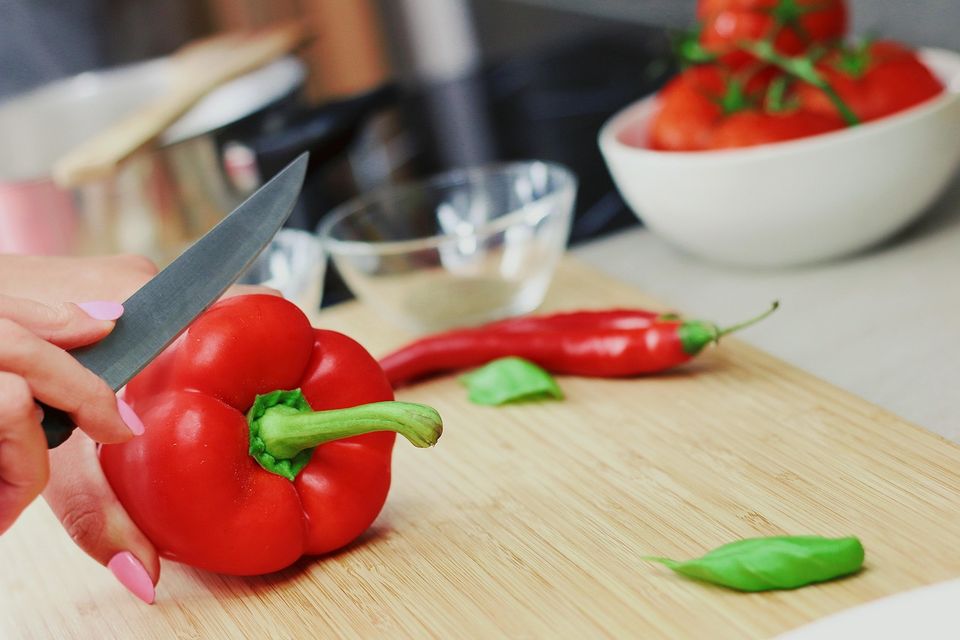
If you can afford only one good knife, it is this. Pick a length you can control. Eight inches is common, but smaller hands may prefer six or seven. Check the handle fits, the weight feels balanced and the blade has some clearance for your knuckles. Our comparison of chef's knife vs santoku helps with the shape.
Ruling: buy the best chef's knife you can afford, and a cheap paring and serrated knife.
The paring knife: cheap is fine
It peels, trims and cores. You use it less than the chef's knife and lose it more often. A basic one is fine. Keep it sharp, since a dull small knife slips.
Ruling: do not overspend. Buy two if you lose them.
The serrated knife: for bread and tomatoes
Serrated edges grip skins and crusts. They are harder to resharpen at home, so many people replace them when they dull. Pick a long blade if you cut bread, and a shorter one if you only do tomatoes.
Ruling: one is enough, and a cheap one does the job.
Keeping them sharp
A honing steel straightens a slightly bent edge. It does not remove metal. Sharpening does, and it is a different job. The difference is explained in honing vs sharpening a kitchen knife. In general, hone often and sharpen when honing stops working. Ask the maker how they recommend you care for the blade.
Ruling: buy a steel at the same time as the knives. A sharp knife is safer than a dull one.
Carrying and storing
A roll or case protects the blades and your hands in a bag. Guards on each blade work too. Do not toss loose knives into a bag or drawer. See what goes in a line cook's bag for what else goes in alongside.
Ruling: if your knives travel, buy the roll the same week.
What to skip at first
- Big sets with ten knives you will not use.
- A cleaver, unless you break down bones.
- Fancy sharpening gadgets before you know what you need.
- Ceramic knives, which can chip and are not for everyone.
A worked example
Say you cook for a line of 40 covers a night. A chef's knife does the onions, herbs and meat. The paring knife handles the garnish. The serrated knife does the bread and the tomatoes. A fourth knife, such as a boning knife, adds value only if you break down meat each day. That is the sort of decision rule to use: add a knife when a task keeps costing you time.
Handles and fit
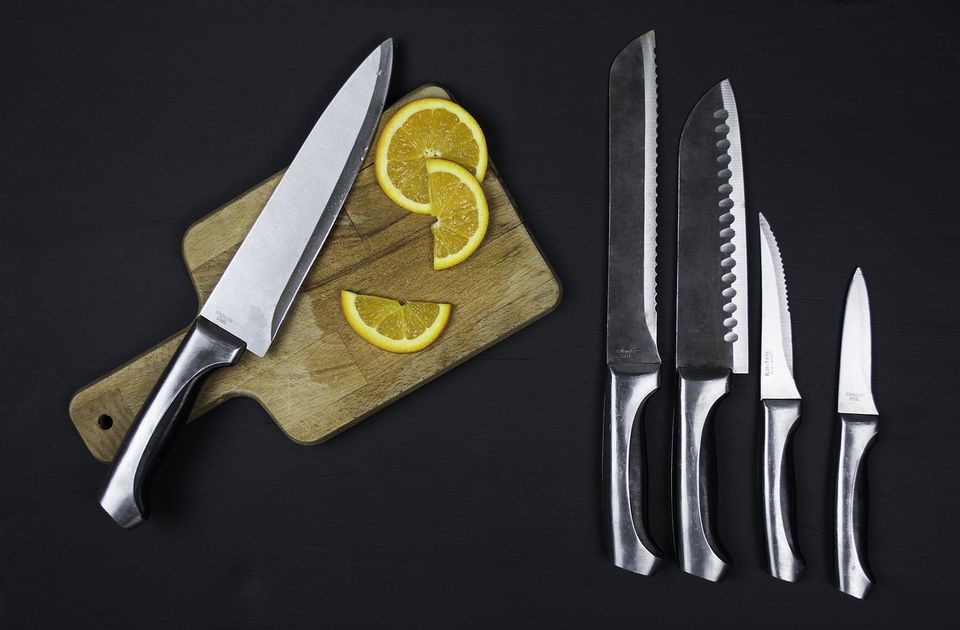
Hold the knife before you buy if you can. The handle should not slip when wet or greasy. Your hand should clear the board when you chop. A rounded spine is kinder to your finger on long prep. If it feels wrong in the shop, it will feel worse on a double shift.
Safety and workplace rules
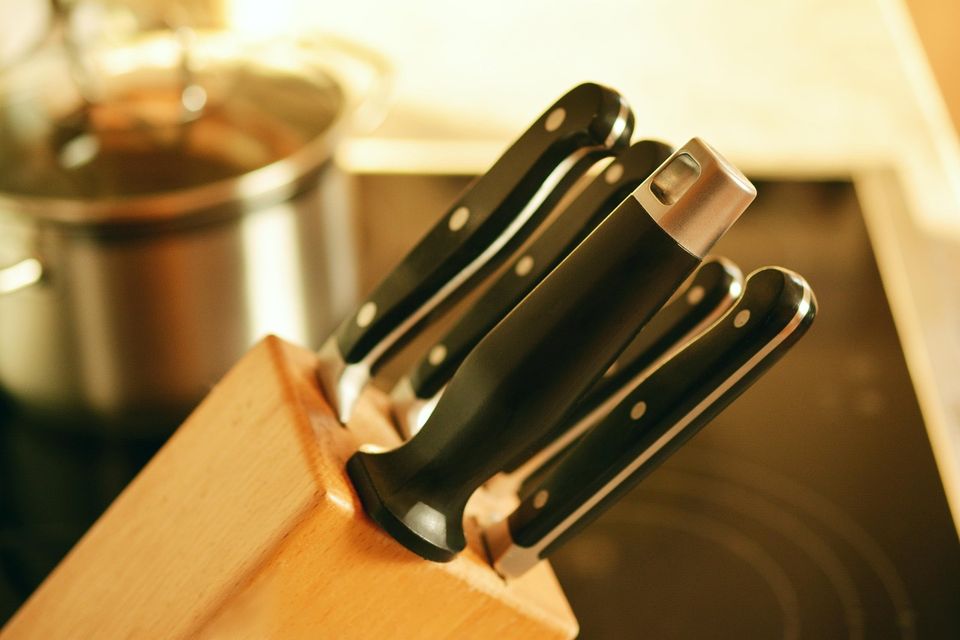
Many kitchens have rules about personal knives, such as how they are stored or if they are allowed at all. Check with your chef or manager. Keep blades covered when walking, and never catch a falling knife. If you cut yourself badly, get medical help.
What cooks usually carry
A common pattern: a chef's knife, a paring knife, a peeler, a steel, a marker and tape for labels, all in a roll. Many cooks add a bread knife only if the job calls for it.
Storing them at home
A magnetic strip or a block keeps the edges off other metal. Keep the strip away from the stove and out of reach of children. Dull blades are safer to store than to use, but still a risk, so treat every knife as sharp.
End of shift
- First to go: the edge on the chef's knife, usually within a few shifts of hard use.
- Check on Friday: blade for chips and handle for cracks.
- Do tonight: wash by hand, dry at once and put it in the roll. Do not leave knives in the sink.
Quick questions
How many knives does a cook need?
Three cover most prep: a chef's knife, a paring knife and a serrated knife.
Should I buy a set?
Usually not. Sets often include pieces you will not use. Buy single knives that fit your hand.
Do I need to sharpen my own knives?
You can learn, or pay a sharpener. Honing is a quick habit to learn.
Can I take my knives to work?
Check with your employer. Some kitchens supply knives and ban personal ones.
More to read
Keep reading
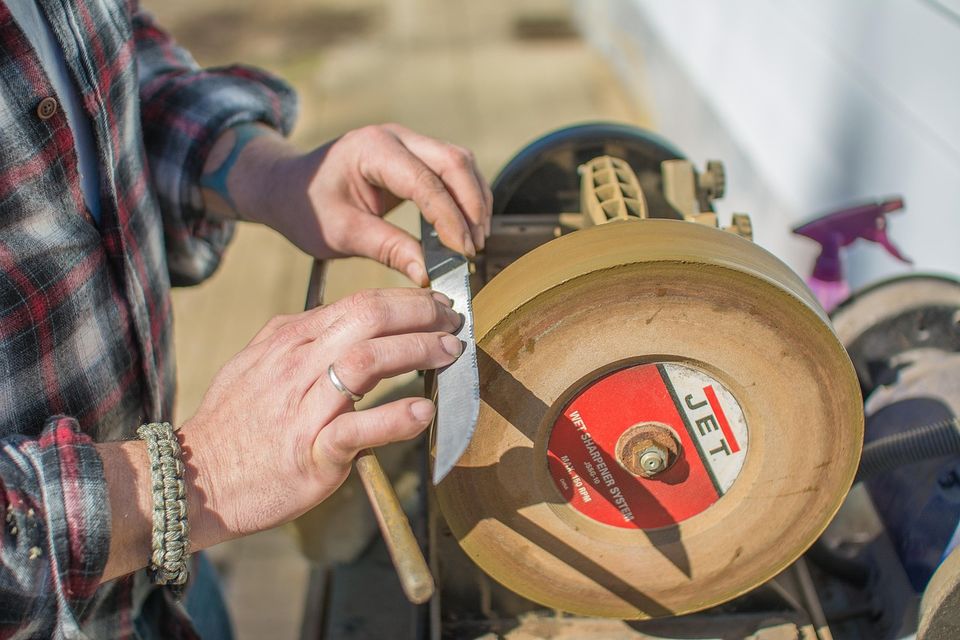
Honing vs sharpening a kitchen knife: what is the difference
Honing vs sharpening a kitchen knife: honing straightens the edge, sharpening removes metal. Here is how often to do each and what you need.
Samir Ouali2 min read
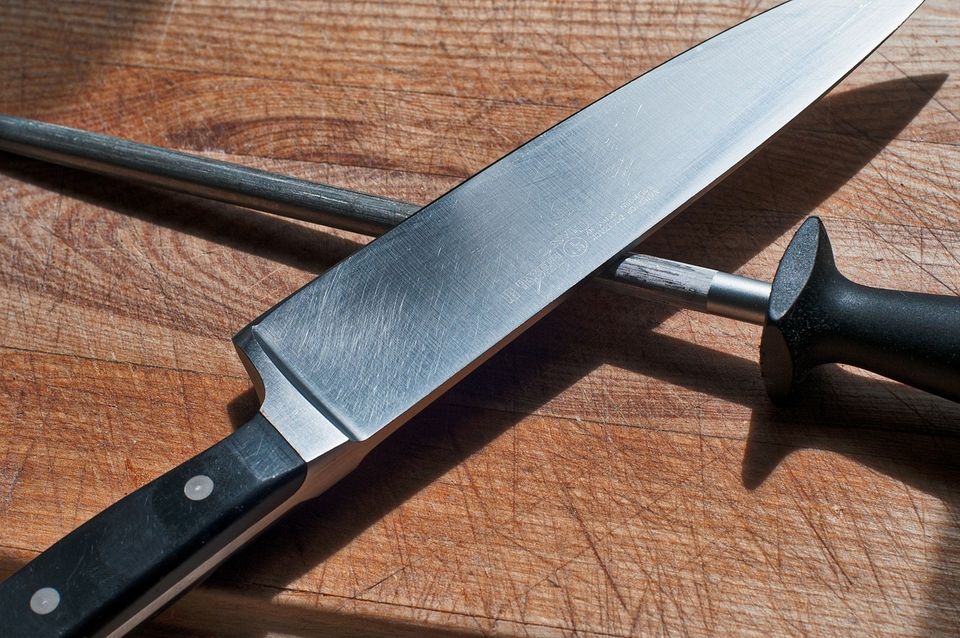
Chef's knife vs santoku: which one for daily prep
Chef's knife vs santoku for daily prep: one rocks, one chops. Here is how to pick the shape that suits your cutting style and your hands.
Samir Ouali4 min read
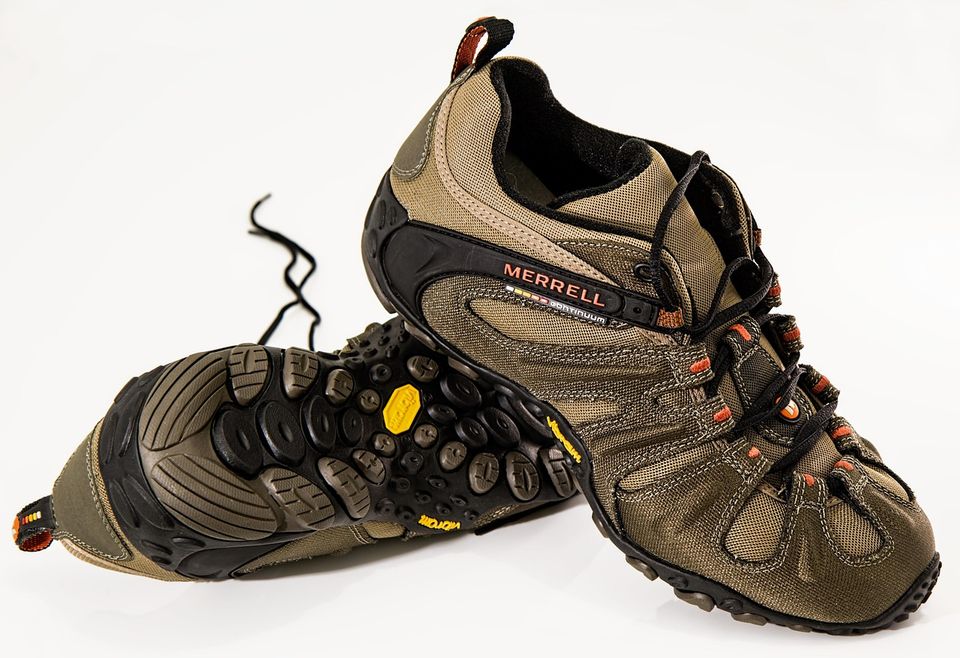
Non-slip shoes for kitchen work: what to check
Non-slip shoes for kitchen work need a soft, grippy sole, a closed top and a fit that lasts ten hours. Here is how to check the sole before you buy.
Samir Ouali5 min read
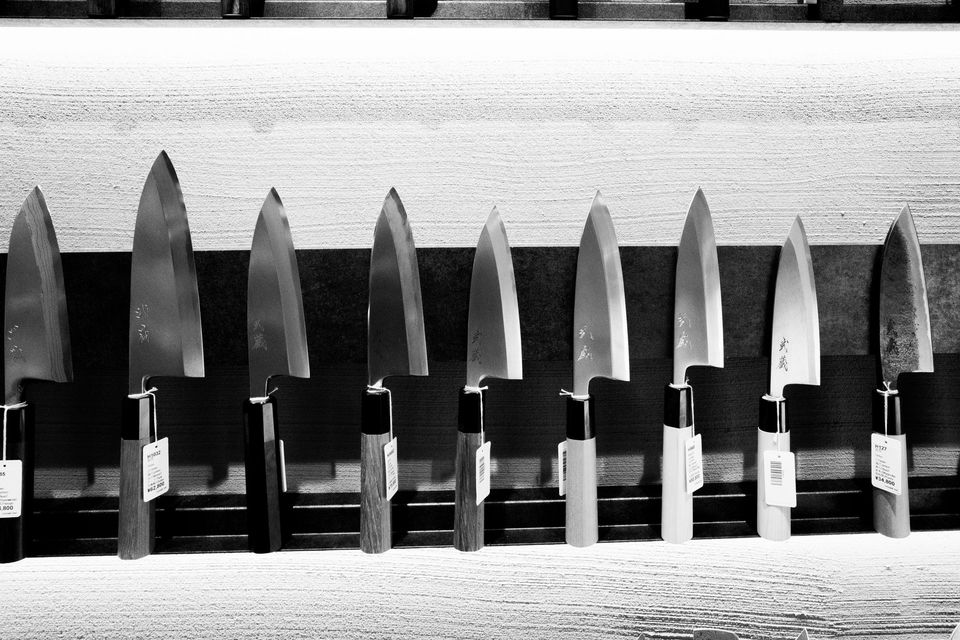
What goes in a line cook's bag, and what stays home
A short, practical kit list for cooks and kitchen staff: shoes, knives, a towel system and the small things that save a bad service.
Samir Ouali4 min read
Do you need an instant read thermometer in the kitchen
Do you need an instant read thermometer? Yes if you cook meat, poultry or fish for others, because colour and time are poor guides. Here is how to choose.
Margaux Dupont2 min read
Oven gloves vs side towels for cooks: which is safer
Oven gloves vs side towels for cooks: gloves give more heat protection and grip, towels are fast but burn easily when wet. Here is how to choose.
Samir Ouali4 min read