
Oven gloves vs side towels for cooks: which is safer
Oven gloves vs side towels for cooks: gloves give more heat protection and grip, towels are fast but burn easily when wet. Here is how to choose.
Samir Ouali4 min read
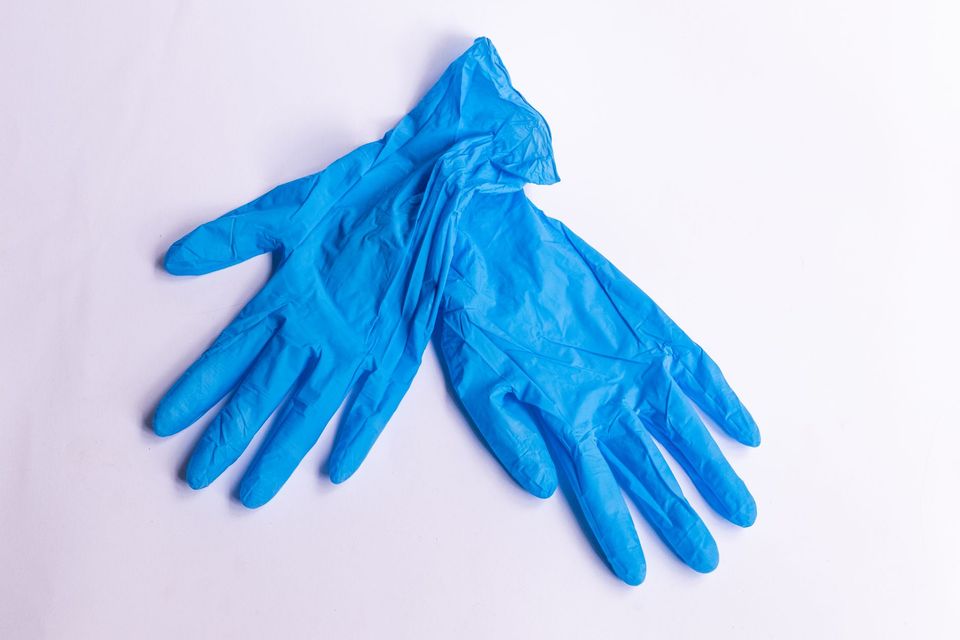
Verdict: gloves are safer for heavy, hot items such as trays and stockpots. A dry, folded towel is fine for quick, light grabs. A wet towel is never safe. Water in the cloth turns heat into steam and moves it to your hand in seconds.
Burns are part of kitchen work, but many are avoidable. Your workplace may have rules on what to use, so check them first.
Which wins on
| What matters | Heat-resistant gloves | Side towels |
|---|---|---|
| Heat protection | Better, check the rating | Limited, thin layers fail fast |
| Grip | Good if textured | Slippery if damp |
| Speed | Takes a moment to put on | Always on your belt |
| Dexterity | Bulkier | Great |
| When wet | Check the maker's notes | Dangerous |
| Washing | Easy to wipe | Needs laundering |
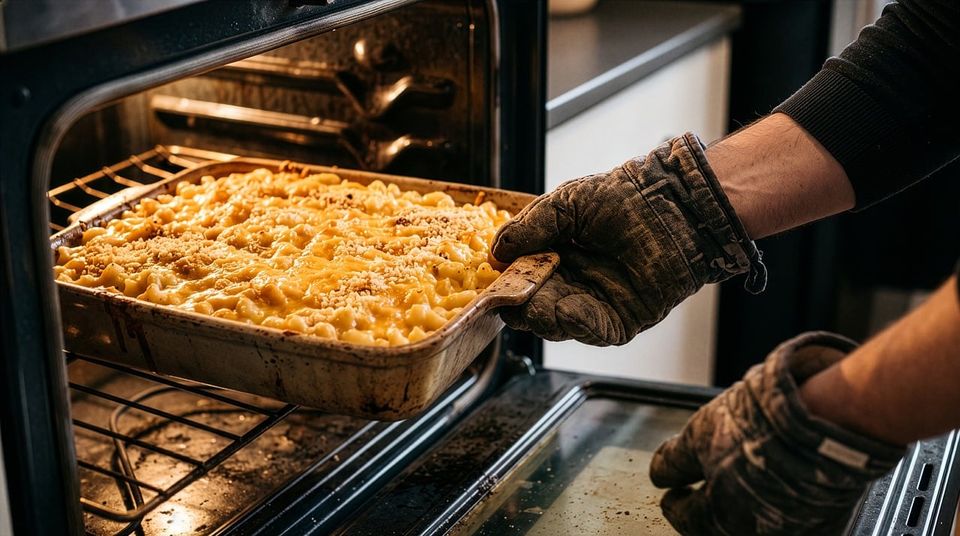
Pick gloves if
- You lift trays, stockpots, or anything that is hot for more than a second.
- You work at the oven or the pass with heavy items.
- Your towel is often damp from spills or the sink.
- You want something with a stated heat rating on the maker's page.
Pick side towels if
- You grab a handle for a second and put it down.
- You need a free hand and speed on the line.
- The item is light and not extremely hot.
- You can keep the towel dry and folded.
The rule that matters most
Dry and folded, or a proper glove. A thin towel or one that has been dipped in water offers little protection. Fold it into a thick pad, keep it dry and do not hold the item for long. Check any glove's rating, and follow the maker's notes on temperature and water.
Common mistakes
- Using a damp towel. Steam from a wet cloth can burn quickly.
- Using a worn glove with thin spots. Replace it.
- Leaving a towel near a flame. It can catch fire.
- Wearing gloves that are too big, so they slip off a heavy tray.
- Trusting a glove for a blowtorch or deep fryer. Check what the maker says.
Burns and first aid
For any burn that blisters, covers a large area or hits the face or hands, get medical help. Follow your workplace's first aid process. This page does not replace training.
What cooks usually carry
Many cooks keep a few towels on the belt, a dedicated cloth for hot handles and another for wiping. Gloves tend to be kept at the oven or the pass. If you are building your kit, read what goes in a line cook's bag.
A worked example
Say you pull a full tray of roast vegetables from the oven. It is heavy and hot, and the tray edge is wide. These are round numbers for the idea only. A single folded towel gives you a thin layer, and if your grip slips, your fingers touch the tray. A pair of rated gloves keeps a thicker layer between you and the metal. Now say you move a small pan handle for two seconds. A thick dry towel works. The weight and the time on the heat decide the choice. Pairing this with the right shoes matters too, so see non-slip shoes for kitchen work.
End of shift
- First to go: towels, which get thin and scorched, and glove fingertips.
- Check on Friday: gloves for holes and towels for burn marks.
- Do tonight: hang the towels to dry. Never store them damp.
Quick questions
Are oven gloves better than a towel?
For heavy, hot items, yes. For light, quick grabs, a thick dry towel can do.
Why is a wet towel dangerous?
Water in the cloth turns to steam and carries heat to your skin fast.
How do I know a glove is safe?
The maker states a heat rating. Follow it and check your workplace rules.
How long do gloves last?
Until they show holes, thin patches or stiff, damaged areas.
More to read
Keep reading
Honing vs sharpening a kitchen knife: what is the difference
Honing vs sharpening a kitchen knife: honing straightens the edge, sharpening removes metal. Here is how often to do each and what you need.
Samir Ouali2 min read
Chef's knife vs santoku: which one for daily prep
Chef's knife vs santoku for daily prep: one rocks, one chops. Here is how to pick the shape that suits your cutting style and your hands.
Samir Ouali4 min read
Non-slip shoes for kitchen work: what to check
Non-slip shoes for kitchen work need a soft, grippy sole, a closed top and a fit that lasts ten hours. Here is how to check the sole before you buy.
Samir Ouali5 min read
What goes in a line cook's bag, and what stays home
A short, practical kit list for cooks and kitchen staff: shoes, knives, a towel system and the small things that save a bad service.
Samir Ouali4 min read
Do you need an instant read thermometer in the kitchen
Do you need an instant read thermometer? Yes if you cook meat, poultry or fish for others, because colour and time are poor guides. Here is how to choose.
Margaux Dupont2 min read
Wood vs plastic cutting board for a busy kitchen
Wood vs plastic cutting board for a busy kitchen: plastic wins on washing, wood wins on feel and your knives. Here is how to choose and keep them clean.
Margaux Dupont4 min read