
How to stop losing your voice when teaching
Losing your voice from teaching all day is common. Here is how to stop it with water, rest and simple habits, and when to see a doctor about it.
Margaux Dupont2 min read
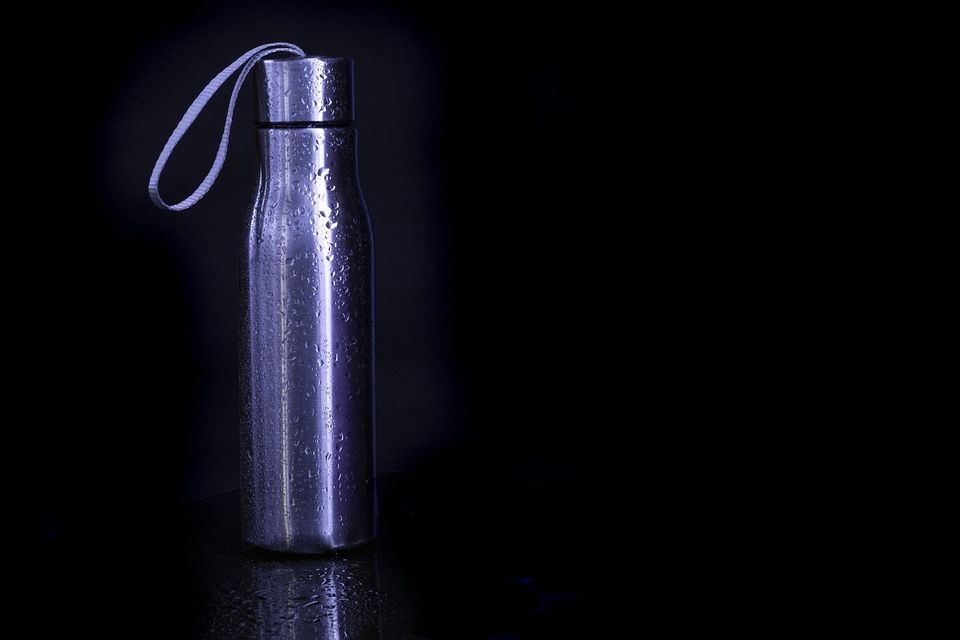
How do you stop losing your voice when you teach? Cut the shouting, drink more water and give your voice quiet gaps. Small habits matter more than any lozenge.
What helps
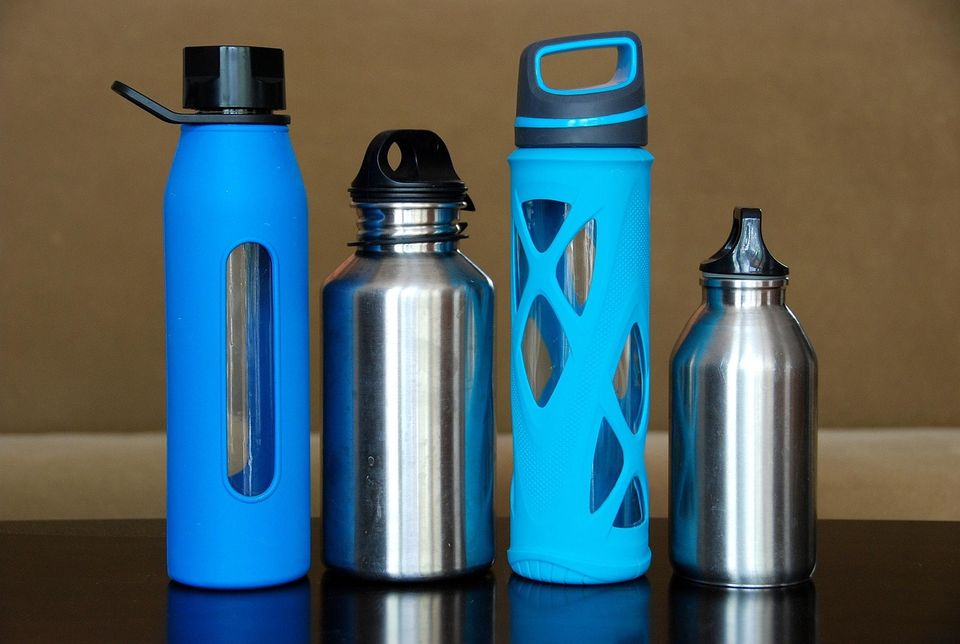
- Drink water through the day. Keep a bottle on the desk where you can see it.
- Use a signal for quiet. A raised hand, a chime or a countdown on the board works without any shouting.
- Move closer. Walk to the back of the room instead of raising your voice.
- Rest in the gaps. Say nothing at break if you can. Silence is a break for your voice.
- Avoid whispering. Some voice guidance says it can strain the voice too.
The US National Institute on Deafness and Other Communication Disorders has general advice on taking care of your voice. It is a fair place to start.
One more thing to ask
Some schools supply a voice amplifier for teachers. Ask before you buy one, because the school may have a system or a rule on what plugs into its equipment.
When it is not a habit problem
Hoarseness that lasts more than a few weeks, a voice that cuts out, pain when you speak or a lump in the throat needs a doctor. Do not push through it. Lozenges can hide the signal.
The exception
A cold or a bad night will put any voice out. Rest it and drink water. If a student is struggling to hear you, write more on the board instead of pushing the volume.
The same rule applies to the bottle: the best one is the one you will carry, which is why stop buying classroom decor puts it near the top of the list.
End of shift
- First to go: the lid seal on your bottle.
- Friday check: count how many times you refilled it. If it was once, drink more.
- Rest: a quiet evening before a hard week.
More to read
Keep reading
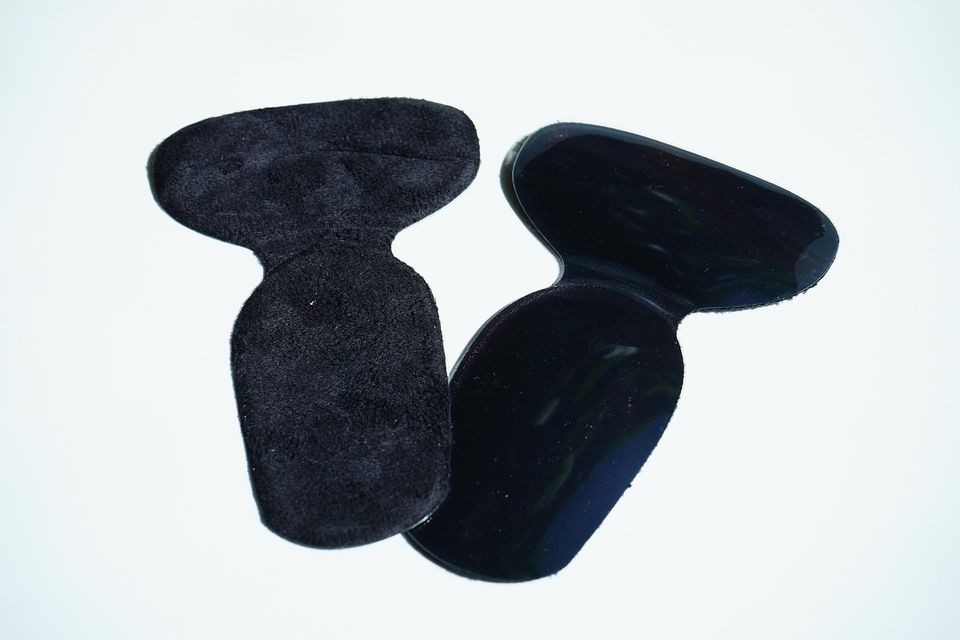
Insoles vs anti-fatigue mat for teachers who stand all day
Insoles vs anti-fatigue mat for teachers: one goes where you go, the other covers one spot. Here is how to choose for a classroom with hard floors.
Margaux Dupont4 min read
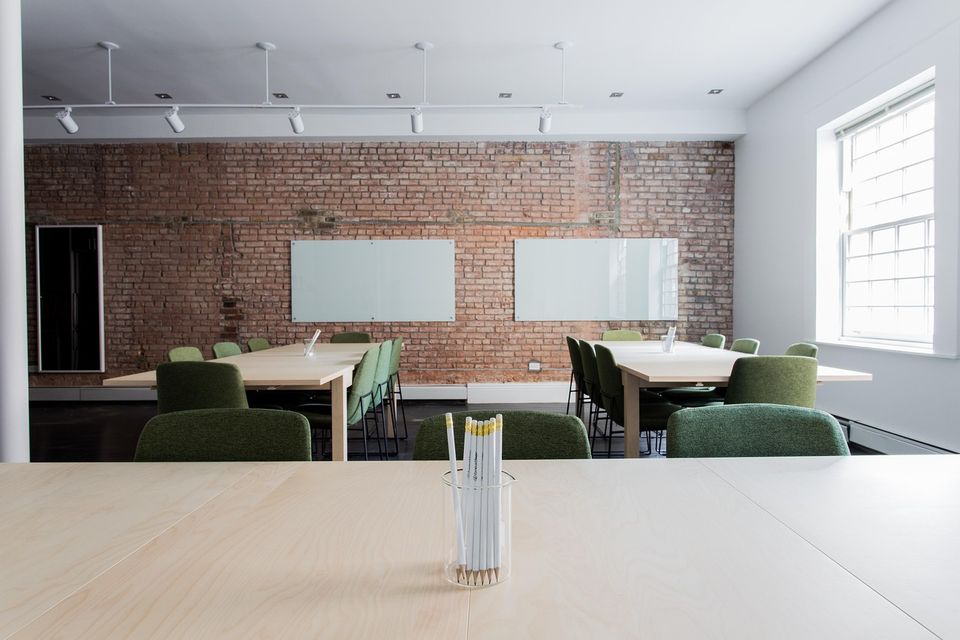
Stop buying classroom decor. Buy these three things first.
An opinion for teachers: spend on your feet, your voice and your water before posters and bins. The room can wait, but you cannot, so start there.
Samir Ouali2 min read

Best bag for teachers carrying marking and a laptop
The best bag for teachers carrying marking is a backpack or a bag with a stiff back, a laptop sleeve and a base that stands up. Here is how to choose.
Margaux Dupont6 min read
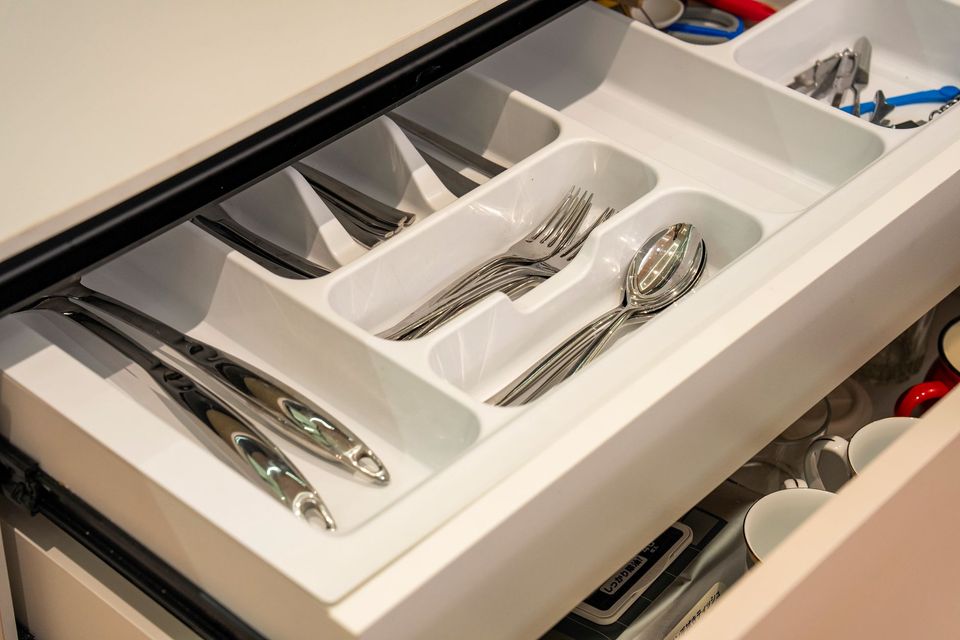
What to keep in a teacher desk drawer for a bad day
What to keep in a teacher desk drawer: a short list of small items that fix the usual problems, from a dead phone to a missing marker, without clutter.
Margaux Dupont5 min read

Laminator vs sheet protectors for teachers
Laminator vs sheet protectors for teachers: one makes sturdy resources that last years, the other is quick and reusable. Here is how to choose for your room.
Samir Ouali4 min read
Best water bottle for teachers who talk all day
The best water bottle for teachers is large, spill-proof and easy to refill. Here is how to choose one that you will actually drink from between lessons.
Margaux Dupont2 min read