
Chef's knife vs santoku: which one for daily prep
Chef's knife vs santoku for daily prep: one rocks, one chops. Here is how to pick the shape that suits your cutting style and your hands.
Samir Ouali4 min read
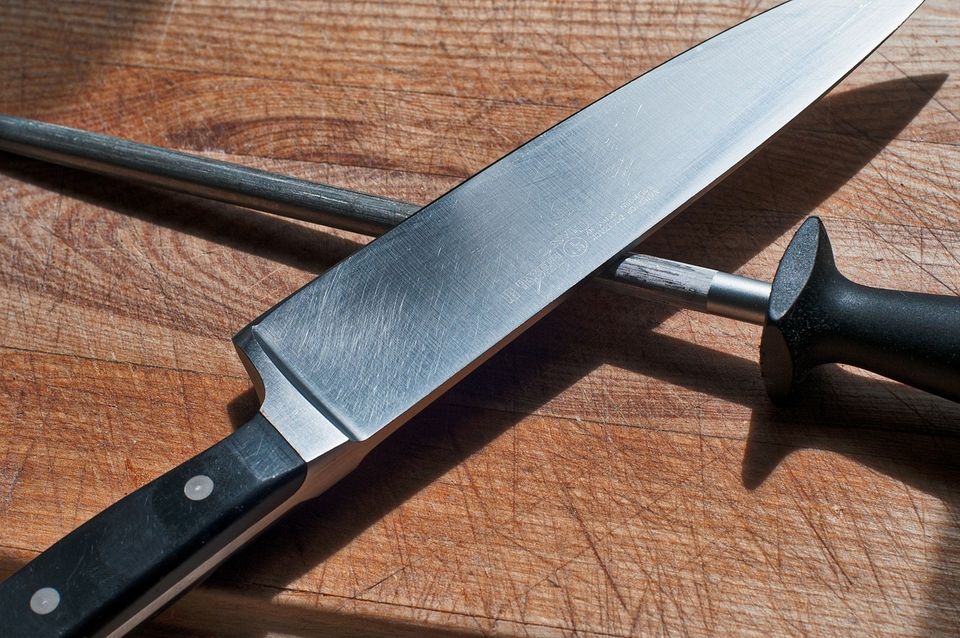
Verdict: a chef's knife for rocking cuts and range. A santoku for straight chopping and a lighter feel. Both handle most prep. The best one is the one that fits your hand and your cutting style.
If you carry knives to work, the line cook's kit list argues for fewer knives. One good all-rounder beats a roll of half-used ones.
Which wins on
| For daily prep | Chef's knife | Santoku |
|---|---|---|
| Blade shape | Curved belly, pointed tip | Flatter edge, rounded tip |
| Cutting motion | Rocking | Straight up and down |
| Length | Often 8 to 10 inches | Often 6 to 7 inches |
| Weight | Often heavier | Often lighter |
| Fine herbs and onions | Easy rocking | Fine with a chopping motion |
| Cutting through big squash | Easier | Shorter blade, harder |
| What fails first | The edge | The edge, and the thin tip if misused |
Pick a chef's knife if
- You rock the blade on the board, with the tip staying down.
- You break down larger items such as squash or a chicken.
- Your hands are bigger and you like some blade length.
- You want one knife to do most jobs.
Pick a santoku if
- You chop with a straight up and down motion.
- Your board space is small, or you stand at a cramped station.
- Weight tires your wrist.
- You mainly cut vegetables, fish and boneless meats.
A worked example
Say you spend two hours on prep: onions, carrots, herbs and a few chicken thighs. A chef's knife glides through the onions with its rocking cut and handles the chicken. A santoku does the onions and carrots cleanly with a chopping motion, but the herbs may feel clumsier if you are used to rocking. These are made-up tasks, but the pattern is common.
Where the answer flips
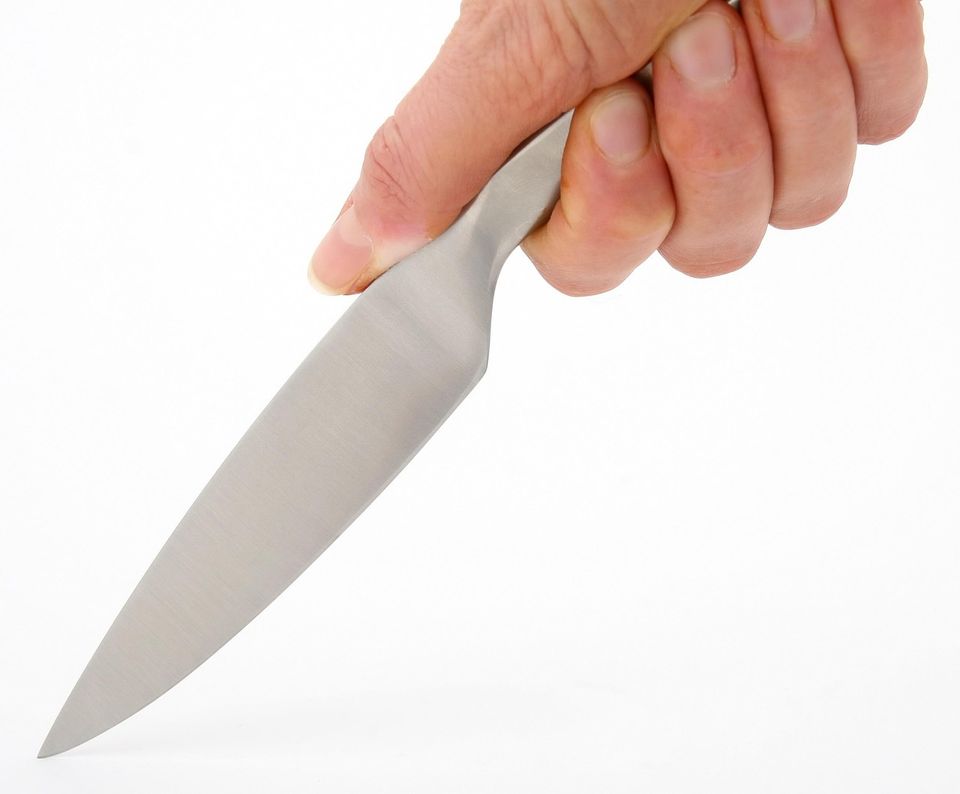
If your hands are small or your wrist tires, a santoku or a shorter chef's knife may suit. If you work on a long station and break down large items, a chef's knife wins. Try them in a shop where you can hold them if you can. Handles that feel fine for a minute feel different after three hours.
Rule: buy the handle first and the steel second.
Common mistakes
- Buying on steel names. The grip, balance and weight decide how it feels at hour three.
- Using the wrong board. Glass and stone boards dull any edge fast. Wood or plastic is kinder.
- Using the knife as a scraper. Scraping with the edge dulls it. Flip the blade and use the spine.
- Skipping the guard. An unguarded blade in a bag or drawer chips and cuts people.

Caution
A dull knife slips and cuts you. Keep either one sharp. Never leave a loose knife in a bag, because someone reaches in. Use a guard. Your kitchen may also have a rule on personal knives, so ask before you bring them in.
Price tiers in plain words
At the low tier ($), blades are often thin and soft, and they dull faster. At the middle tier ($$), you usually get better steel and a handle that lasts. At the top tier ($$$), you pay for finish and hand work. For a working kitchen, the middle tier covers most needs, as long as you keep it sharp.
End of shift
- First to go: the edge, then the handle scales if they are cheap.
- Friday check: run the edge across a sheet of paper. If it catches, sharpen it.
- Dry: the blade fully after washing. Never soak it.
Quick questions
Is a santoku good for beginners?
Many find it easier because it is shorter and lighter. A chef's knife takes a little longer to learn.
Can a santoku cut bone?
No. Use a heavy cleaver or ask a butcher. Bone chips edges.
Do I need both?
Most cooks do not. One all-rounder, a paring knife and a serrated knife cover most prep. Our note on honing vs sharpening covers keeping that edge.
More to read
Keep reading
Honing vs sharpening a kitchen knife: what is the difference
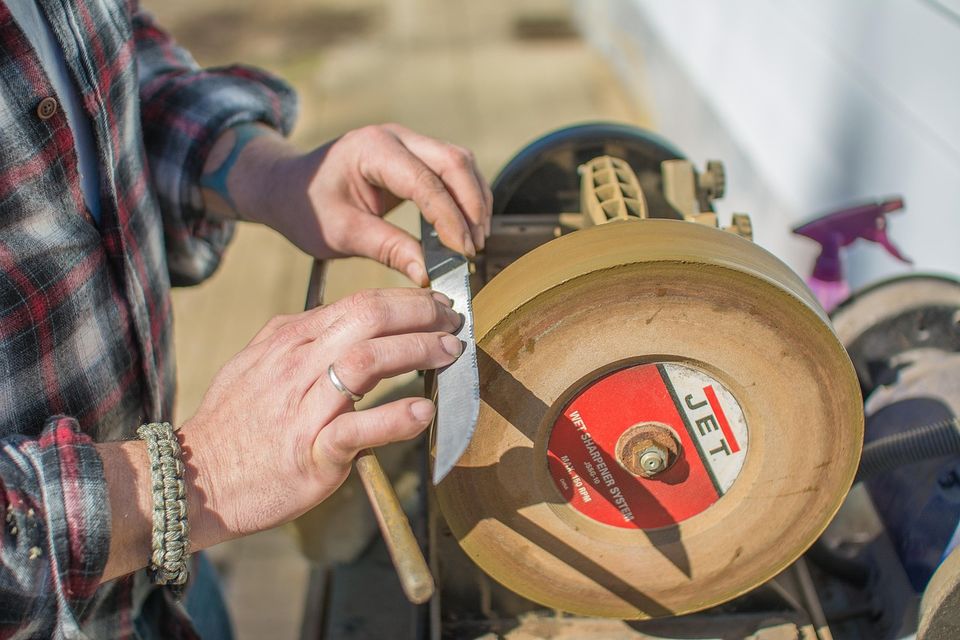
Honing vs sharpening a kitchen knife: honing straightens the edge, sharpening removes metal. Here is how often to do each and what you need.
Samir Ouali2 min read
Non-slip shoes for kitchen work: what to check
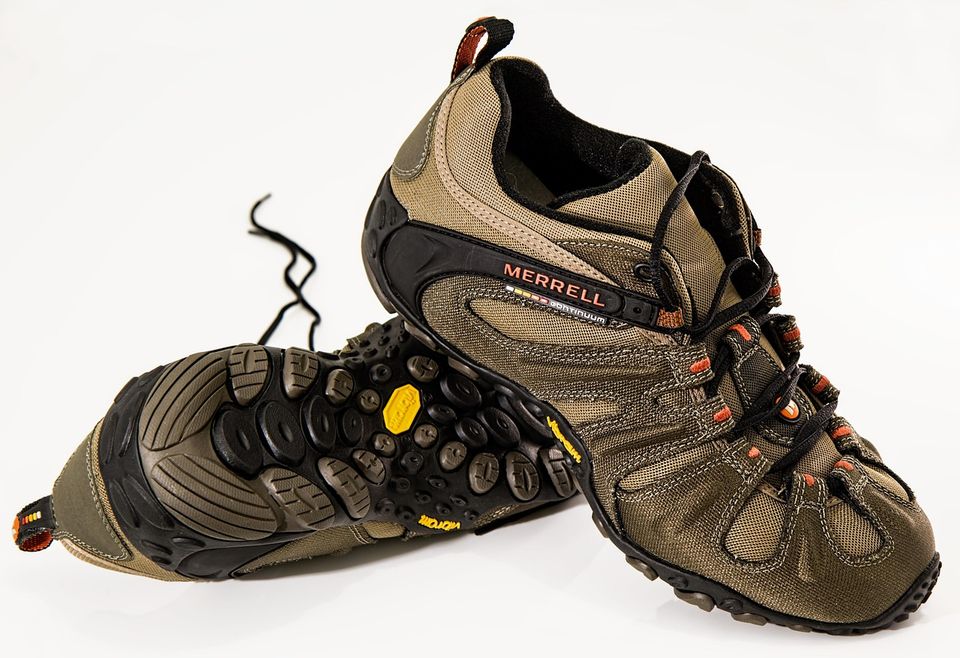
Non-slip shoes for kitchen work need a soft, grippy sole, a closed top and a fit that lasts ten hours. Here is how to check the sole before you buy.
Samir Ouali5 min read
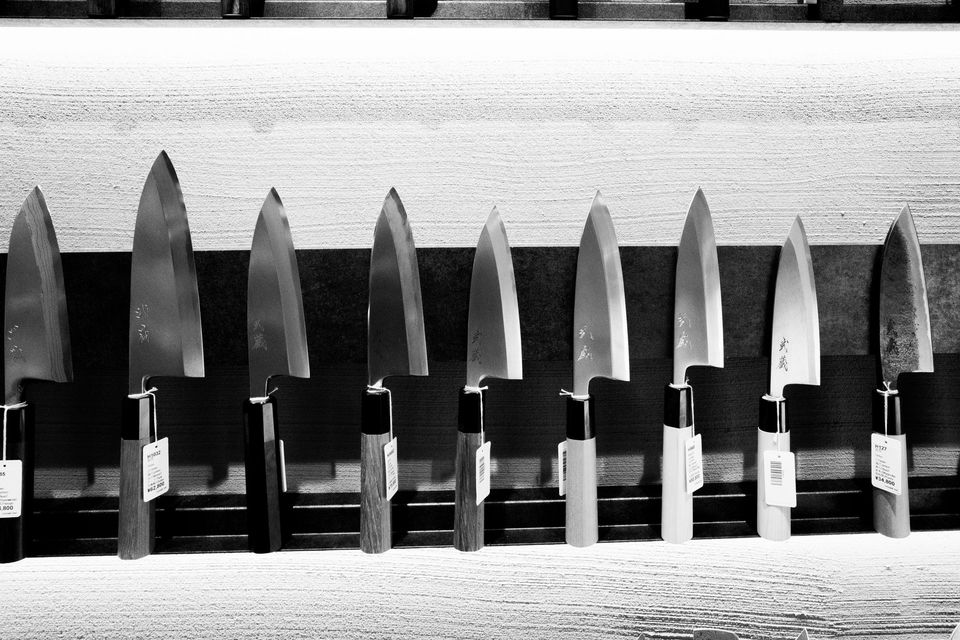
What goes in a line cook's bag, and what stays home
A short, practical kit list for cooks and kitchen staff: shoes, knives, a towel system and the small things that save a bad service.
Samir Ouali4 min read
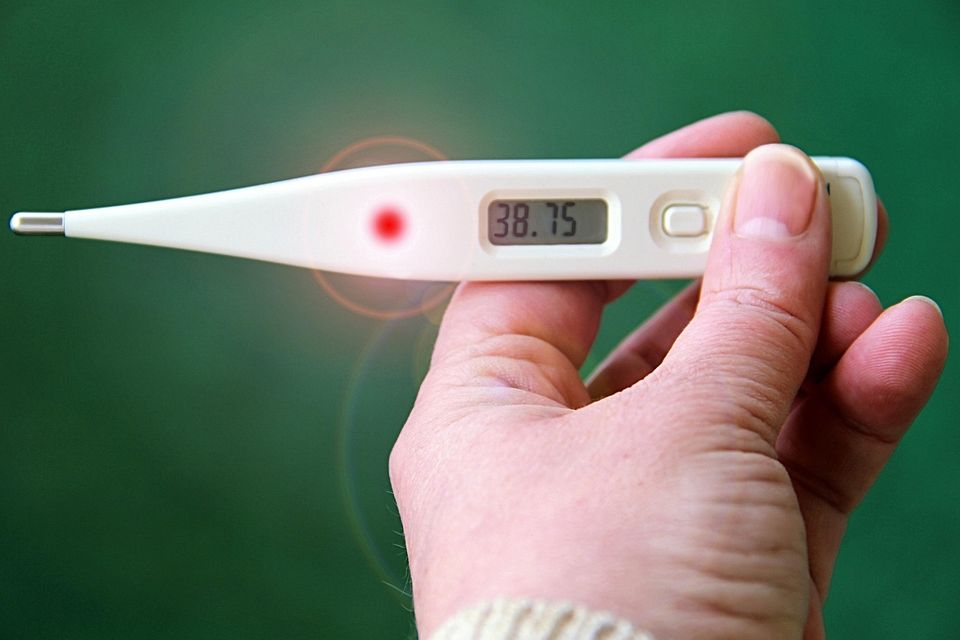
Do you need an instant read thermometer in the kitchen
Do you need an instant read thermometer? Yes if you cook meat, poultry or fish for others, because colour and time are poor guides. Here is how to choose.
Margaux Dupont2 min read
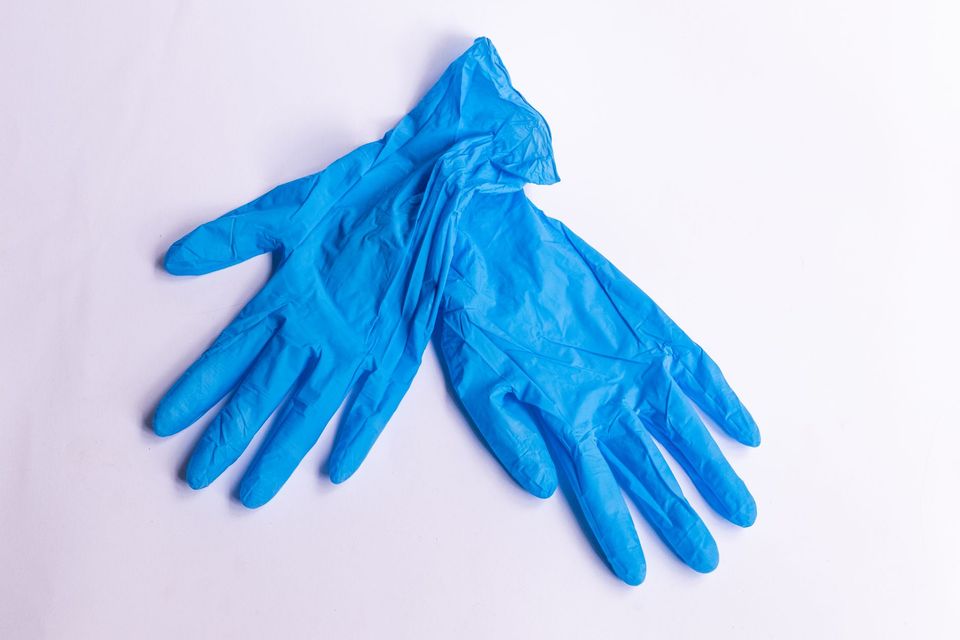
Oven gloves vs side towels for cooks: which is safer
Oven gloves vs side towels for cooks: gloves give more heat protection and grip, towels are fast but burn easily when wet. Here is how to choose.
Samir Ouali4 min read
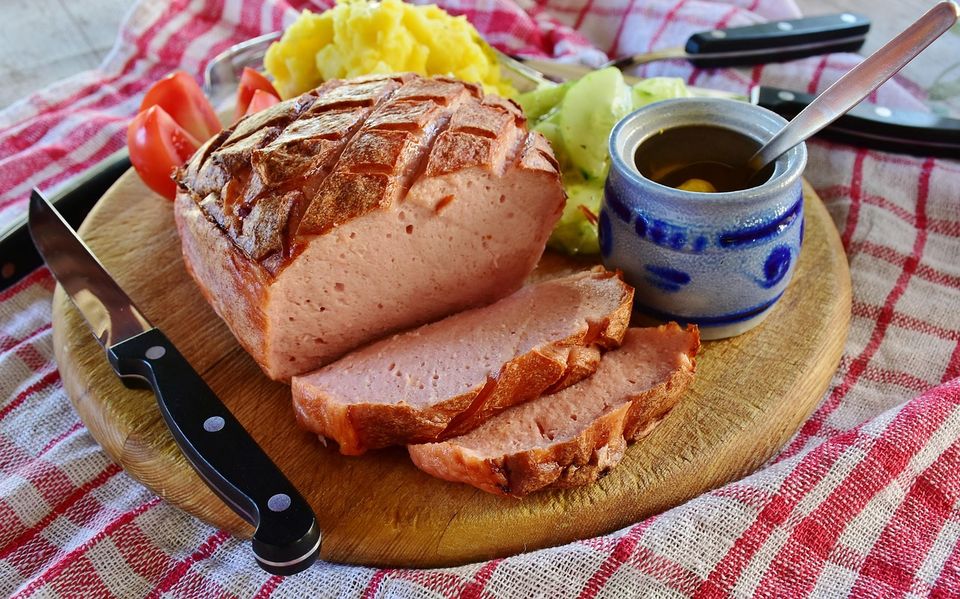
Wood vs plastic cutting board for a busy kitchen
Wood vs plastic cutting board for a busy kitchen: plastic wins on washing, wood wins on feel and your knives. Here is how to choose and keep them clean.
Margaux Dupont4 min read