
Honing vs sharpening a kitchen knife: what is the difference
Honing vs sharpening a kitchen knife: honing straightens the edge, sharpening removes metal. Here is how often to do each and what you need.
Samir Ouali2 min read
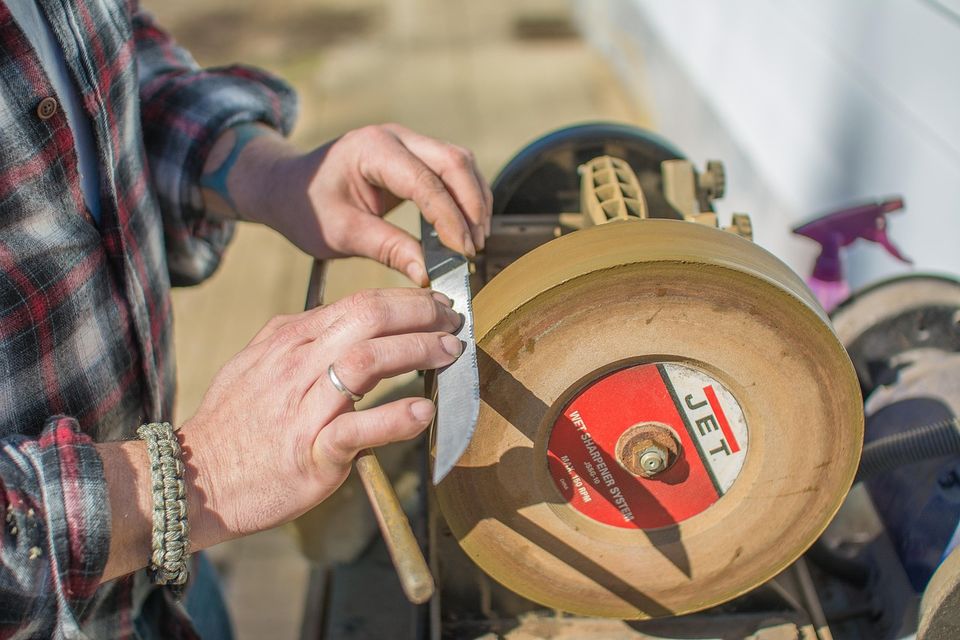
What is the difference between honing and sharpening a kitchen knife? Honing straightens the edge. Sharpening makes a new one.
What each does
A sharp edge bends sideways in use, the way a bent paper clip does. Honing pushes it back into line. It takes a few strokes on a steel. Sharpening removes a thin layer of metal on a stone to create a fresh edge. It takes longer and wears the knife down a little each time.
A simple routine
- Hone before a shift or after a heavy prep. A few light strokes each side.
- Sharpen when honing no longer brings the edge back. A good test is a ripe tomato: if the blade slides on the skin instead of biting, it needs sharpening.
- Do it on a stable surface, with a damp cloth under the stone so it does not slide.
Most cooks sharpen a few times a year, depending on use. The maker of your knife may give guidance on angle and care.
The exception
Some hard steels chip when honed on a coarse steel, and some ceramic knives need diamond tools. Check the maker's care notes. If a knife has a chip, honing will not fix it. It needs proper grinding or a professional.
Safety
Keep your fingers behind the edge, and never try to catch a falling knife. If your kitchen has a rule on personal knives or sharpening tools, follow it.
For what else belongs in a bag with the knives, see the line cook's kit list, and for choosing the knife itself, our comparison of a chef's knife and a santoku.
End of shift
- First to go: your patience with sharpening. Do ten minutes on a quiet day.
- Friday check: paper test on the edge.
- Store: knives in a guard or block, never loose.
More to read
Keep reading
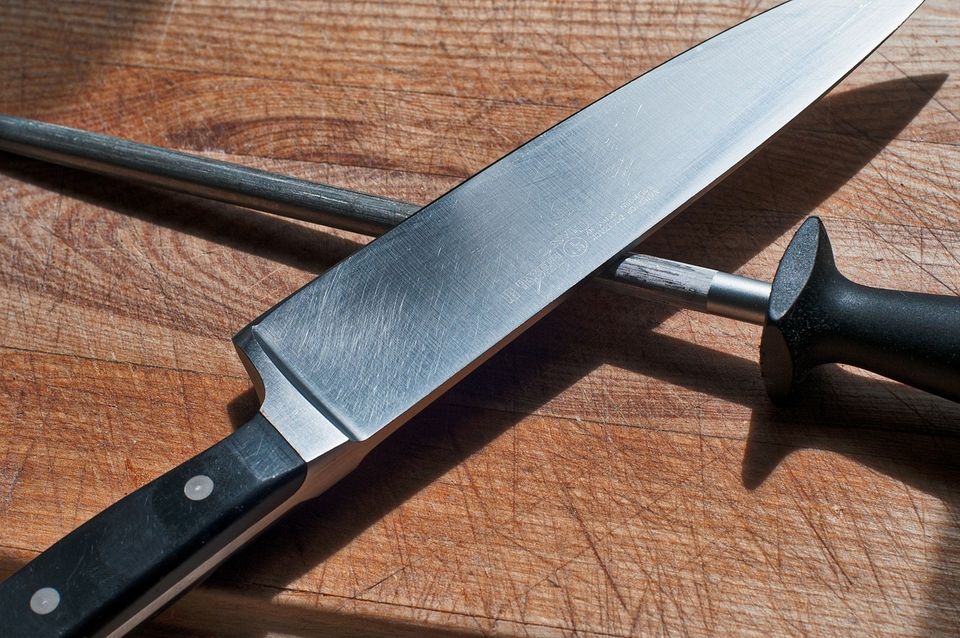
Chef's knife vs santoku: which one for daily prep
Chef's knife vs santoku for daily prep: one rocks, one chops. Here is how to pick the shape that suits your cutting style and your hands.
Samir Ouali4 min read

Non-slip shoes for kitchen work: what to check
Non-slip shoes for kitchen work need a soft, grippy sole, a closed top and a fit that lasts ten hours. Here is how to check the sole before you buy.
Samir Ouali5 min read
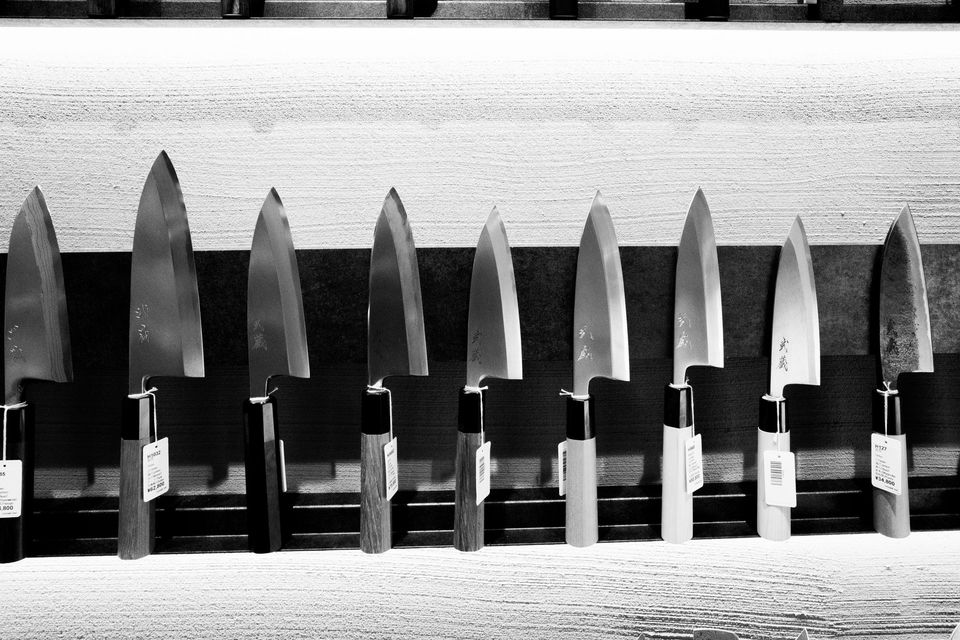
What goes in a line cook's bag, and what stays home
A short, practical kit list for cooks and kitchen staff: shoes, knives, a towel system and the small things that save a bad service.
Samir Ouali4 min read
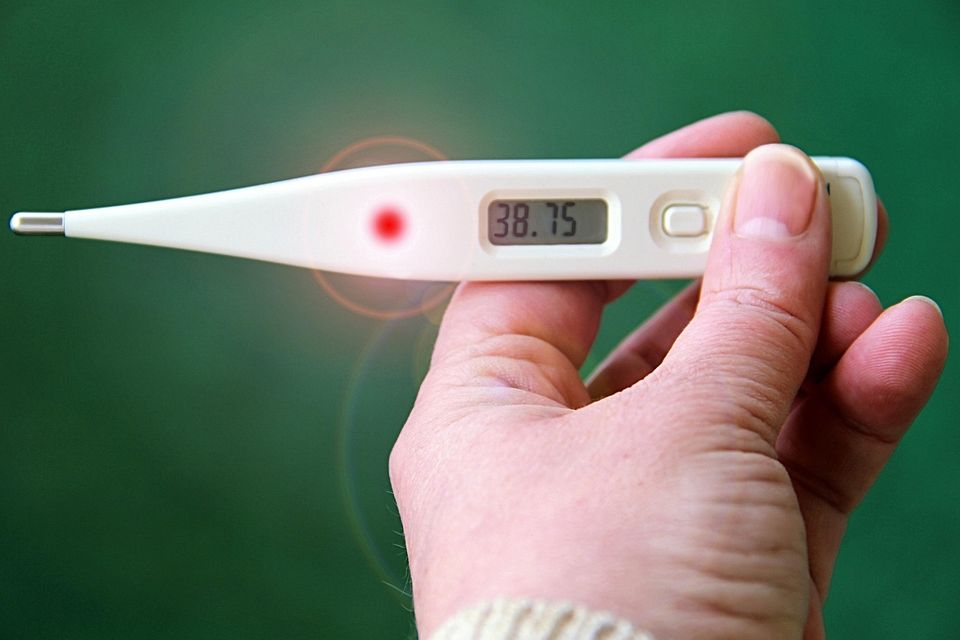
Do you need an instant read thermometer in the kitchen
Do you need an instant read thermometer? Yes if you cook meat, poultry or fish for others, because colour and time are poor guides. Here is how to choose.
Margaux Dupont2 min read
Oven gloves vs side towels for cooks: which is safer
Oven gloves vs side towels for cooks: gloves give more heat protection and grip, towels are fast but burn easily when wet. Here is how to choose.
Samir Ouali4 min read
Wood vs plastic cutting board for a busy kitchen
Wood vs plastic cutting board for a busy kitchen: plastic wins on washing, wood wins on feel and your knives. Here is how to choose and keep them clean.
Margaux Dupont4 min read