
Do you need an instant read thermometer in the kitchen
Do you need an instant read thermometer? Yes if you cook meat, poultry or fish for others, because colour and time are poor guides. Here is how to choose.
Margaux Dupont2 min read
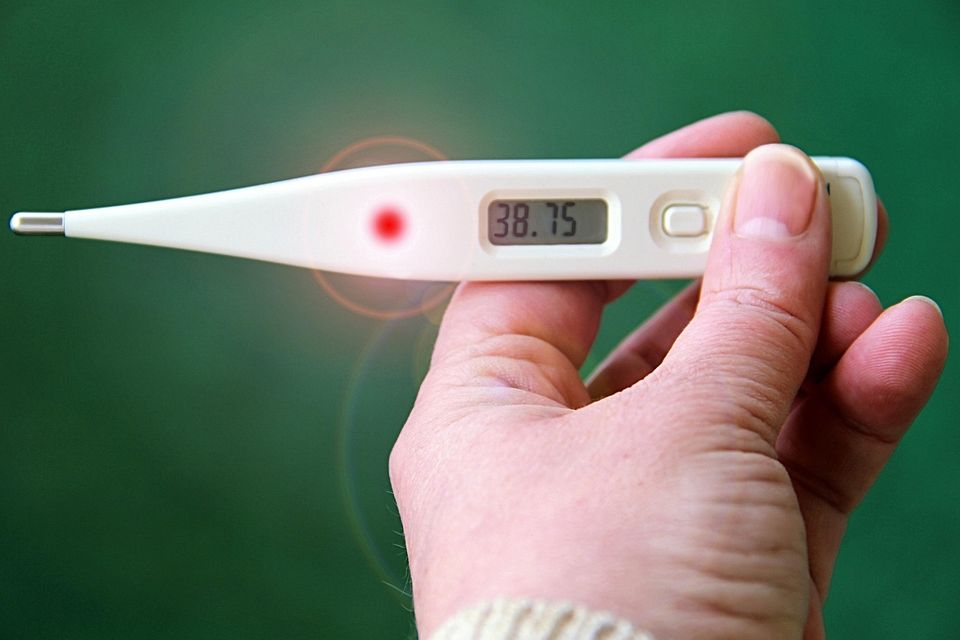
Do you need an instant read thermometer? Yes, if you cook meat, poultry or fish for other people. Colour and cooking time do not tell you if the middle is safe. A probe does.
Why it matters
Food safety bodies such as the CDC point to using a food thermometer instead of judging by looks. The target temperature depends on the food and on local rules, so check your regulator or your employer's food safety plan, not a blog.
What to look for
- Fast reading. A thin probe that settles in a few seconds.
- A clear display. Easy to read in a hot, bright kitchen.
- Waterproof. It will get wet and be washed.
- A probe that is easy to clean. Wipe between foods.
- Calibration check. An ice bath should read close to zero Celsius. If not, check the maker's notes on adjusting it.
How to use it
Put the tip in the middle of the thickest part, away from bone and fat. Wait for the number to settle. Wipe the probe before the next food. Do not take a reading from the pan or tray itself.
One exception
If you only cook vegetables or already follow a time-and-temperature log with a fixed probe, you may not need a handheld. But most cooks who handle meat still keep one, since ovens and fryers vary.
For more on what to carry, see what goes in a line cook's bag.
Why not guess by touch
Cooks sometimes press a steak or check juices, which works for experienced hands on familiar cuts. For poultry, minced meat or a new oven, a probe removes doubt. It also helps with hot-holding and cooling checks if your workplace needs them. Pair it with a sharp knife, as in honing vs sharpening a kitchen knife.
End of shift
- First to go: the battery, then the probe tip if it gets dropped.
- Check on Friday: an ice bath reading and the display.
- Do tonight: wash the probe, dry it and put it back in its sleeve.
More to read
Keep reading
Honing vs sharpening a kitchen knife: what is the difference
Honing vs sharpening a kitchen knife: honing straightens the edge, sharpening removes metal. Here is how often to do each and what you need.
Samir Ouali2 min read
Chef's knife vs santoku: which one for daily prep
Chef's knife vs santoku for daily prep: one rocks, one chops. Here is how to pick the shape that suits your cutting style and your hands.
Samir Ouali4 min read
Non-slip shoes for kitchen work: what to check
Non-slip shoes for kitchen work need a soft, grippy sole, a closed top and a fit that lasts ten hours. Here is how to check the sole before you buy.
Samir Ouali5 min read
What goes in a line cook's bag, and what stays home
A short, practical kit list for cooks and kitchen staff: shoes, knives, a towel system and the small things that save a bad service.
Samir Ouali4 min read
Oven gloves vs side towels for cooks: which is safer
Oven gloves vs side towels for cooks: gloves give more heat protection and grip, towels are fast but burn easily when wet. Here is how to choose.
Samir Ouali4 min read
Wood vs plastic cutting board for a busy kitchen
Wood vs plastic cutting board for a busy kitchen: plastic wins on washing, wood wins on feel and your knives. Here is how to choose and keep them clean.
Margaux Dupont4 min read