
What goes in a line cook's bag, and what stays home
A short, practical kit list for cooks and kitchen staff: shoes, knives, a towel system and the small things that save a bad service.
Samir Ouali4 min read
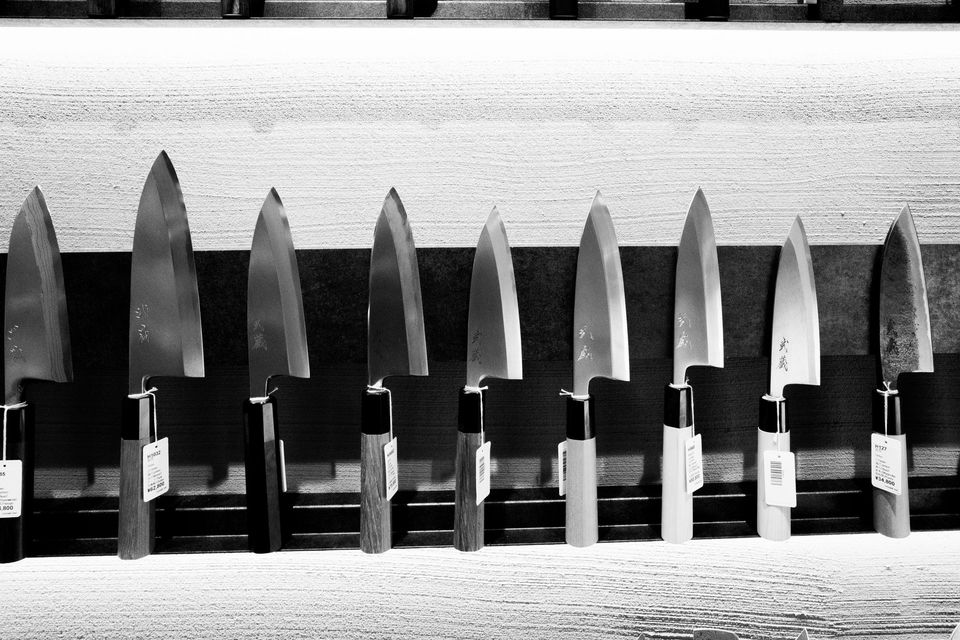
Kitchens have a rule nobody writes down: anything small that you do not own on a hook goes missing. That shapes the whole kit. Carry less, label it, and spend on the three things that touch you all shift.
The short kit
| Item | Why it matters | What fails first |
|---|---|---|
| Shoes or clogs | You stand, pivot and get splashed for hours | The sole tread, then the cushioning |
| Chef's knife, paring knife, serrated | Covers most prep | The edge, long before the knife |
| Sharpening stone or honing steel | A dull knife is the one that cuts you | The steel's patience, not the steel |
| Probe thermometer | Food safety and consistency | The battery, then the tip |
| Marker and masking or label tape | Dating and labelling is a daily job | Tape that does not survive cold or damp |
| Small towel or two | Hot pans and wet hands | They go missing |
Shoes come first
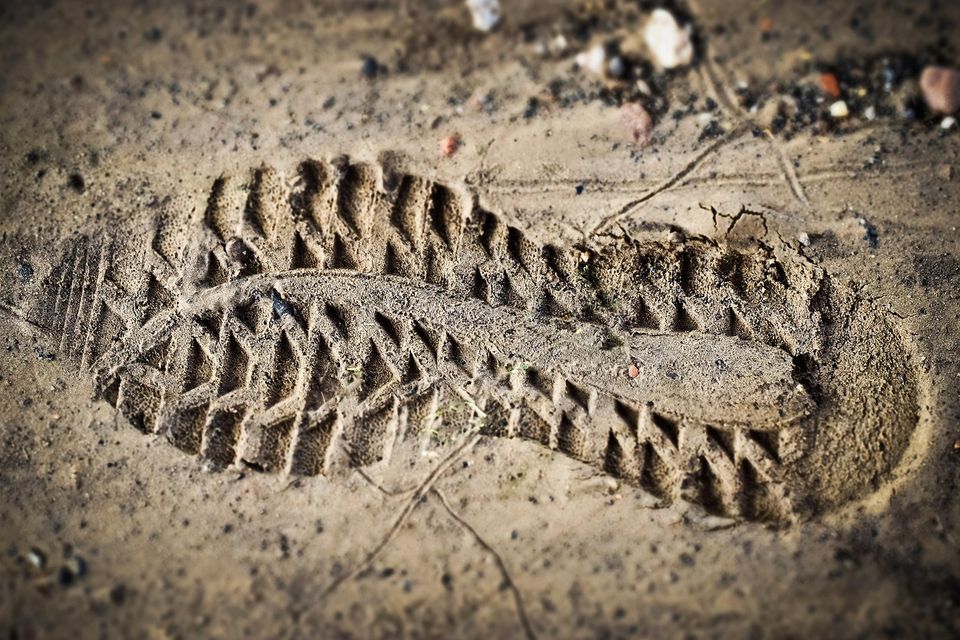
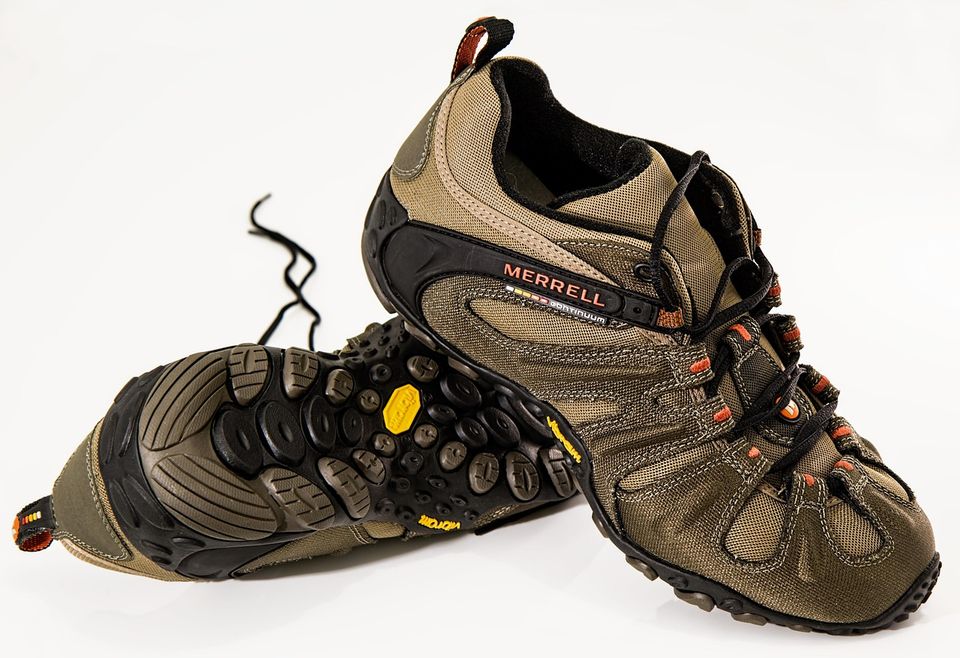
If you only upgrade one thing, make it your footwear. Floors in kitchens get greasy and wet, and a slip with a hot pan is worse than a slip in an office. Look for a sole marked slip-resistant and a closed, wipeable upper. Our shoe checklist for long shifts applies to kitchens too, including the fit advice about swelling.
Slip resistance is not a single guarantee. Floors, oil and wear all change it. Official workplace safety bodies cover walking surfaces in general terms, and your kitchen may have its own footwear rule. Ask your manager before you buy.
Knives: fewer, and sharp
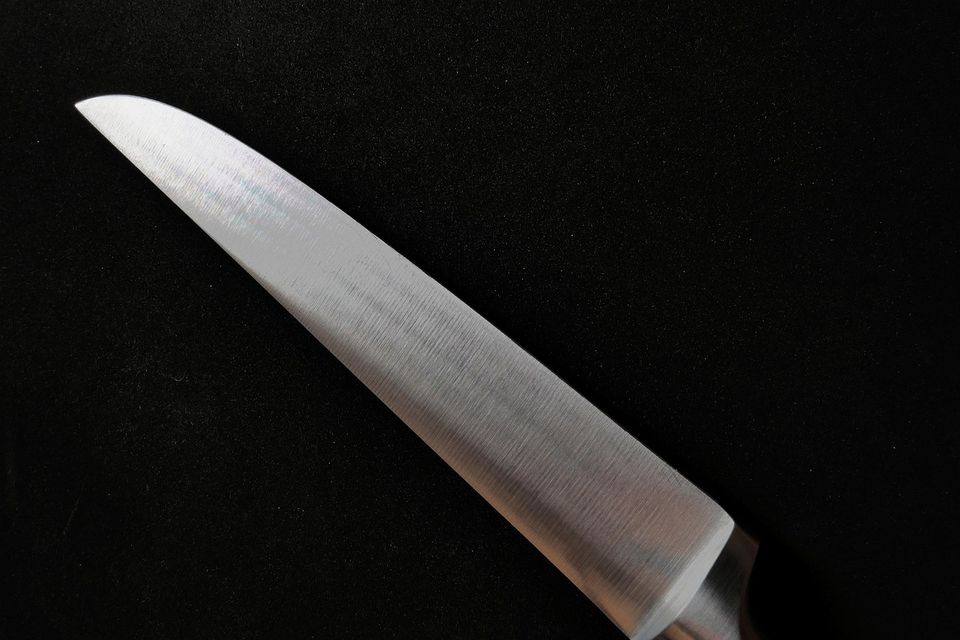
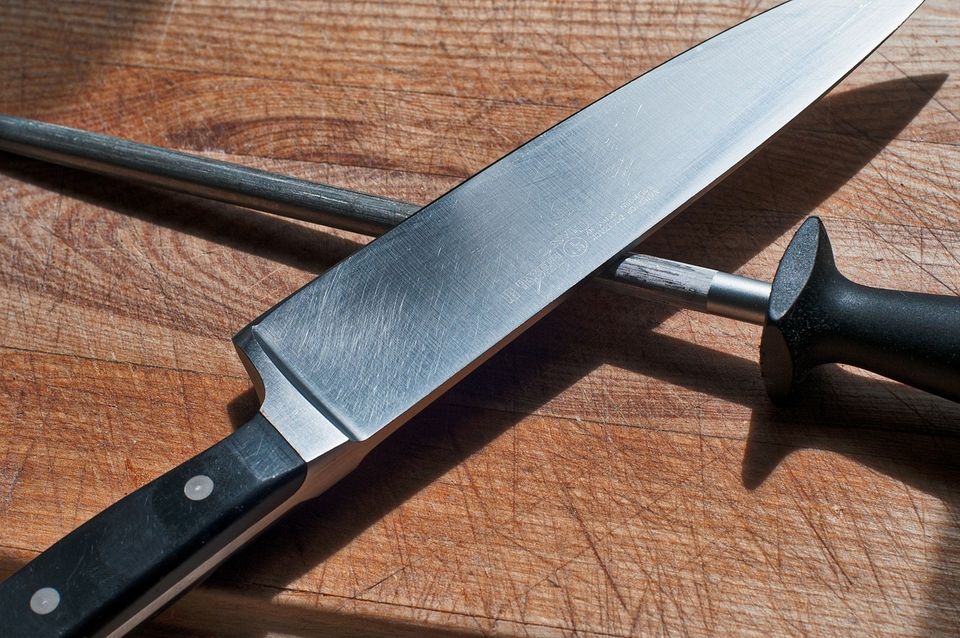
Most prep happens with a chef's knife, a small paring knife and a serrated knife for bread and tomatoes. That is a complete set for most cooks. Extra knives mostly add weight and loss risk.
- Buy the one you can hold comfortably for hours. Handle shape matters more than the steel name.
- Learn to sharpen. A stone or steel and ten minutes a week beats a better knife you never maintain.
- Carry blade guards. In a bag, a loose knife is a cut waiting to happen for you or for the next person to reach in.
Small things that save a bad service
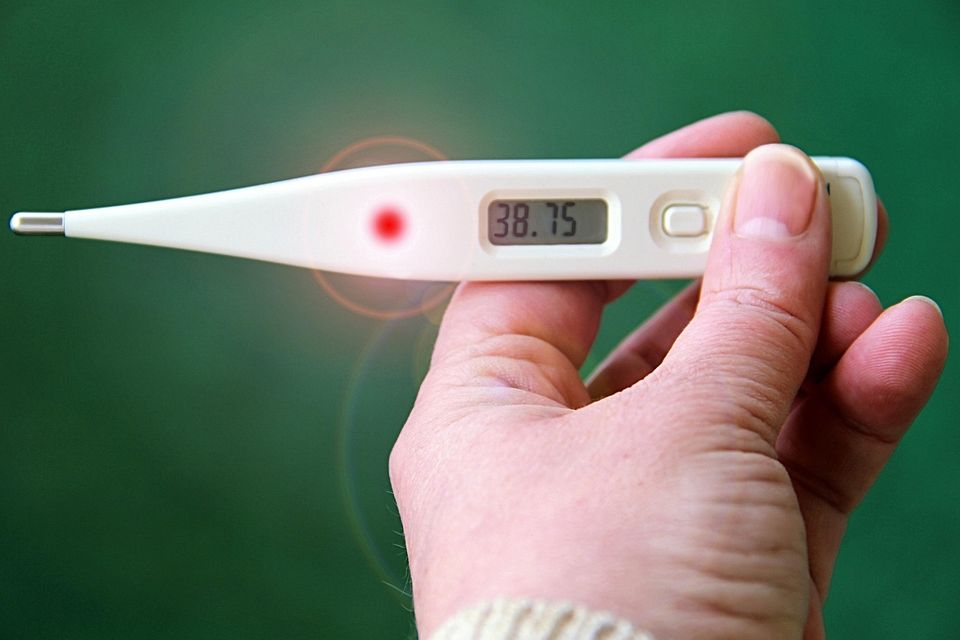
A probe thermometer is cheap insurance and is often the first thing missing on a busy line. A marker and tape do more for your station than most gadgets. A spare pair of socks lives in the bag because kitchens are warm and sometimes wet.
What cooks usually carry is a pattern more than a list: a short set of knives, a way to sharpen, something to write with, and a spare something for hands or feet. Anything fancier tends to stay in the bag until it is lost.
Once the kit is sorted, the next question is shoes. See non-slip shoes for kitchen work. For the knife itself, chef's knife vs santoku covers the choice.
What to leave at home
- A full knife roll. It is heavy, expensive to lose and rarely needed.
- Gadgets for one task. If the kitchen has a tool, use it.
- Anything you would be upset to lose. Label the rest.
Keep the bag itself simple
A bag with one big compartment and one pocket is enough. Put the knives in a separate sleeve so they never touch the thermometer, and keep anything that touched raw food away from clean spare socks. If your kitchen has lockers, check the size before you buy a bag that will not fit in one. A bag that has to sit on the floor will pick up whatever is on the floor, so hang it where you can.
End of shift
- First to go: the sole tread on shoes, then the cushioning.
- Check on Friday: knife edge, thermometer battery, tape roll.
- Wipe down: the bag liner. Raw food and a bag are a poor mix.
- Rule of thumb: if you are replacing something every month, the problem is how you store it, not what you bought.
More to read
Keep reading
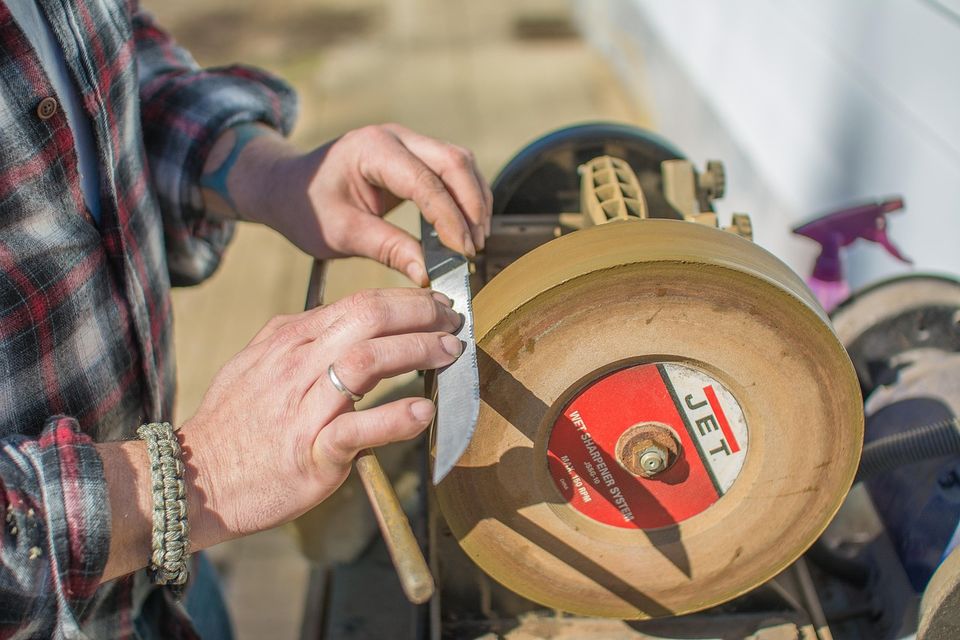
Honing vs sharpening a kitchen knife: what is the difference
Honing vs sharpening a kitchen knife: honing straightens the edge, sharpening removes metal. Here is how often to do each and what you need.
Samir Ouali2 min read
Chef's knife vs santoku: which one for daily prep
Chef's knife vs santoku for daily prep: one rocks, one chops. Here is how to pick the shape that suits your cutting style and your hands.
Samir Ouali4 min read
Non-slip shoes for kitchen work: what to check
Non-slip shoes for kitchen work need a soft, grippy sole, a closed top and a fit that lasts ten hours. Here is how to check the sole before you buy.
Samir Ouali5 min read
Do you need an instant read thermometer in the kitchen
Do you need an instant read thermometer? Yes if you cook meat, poultry or fish for others, because colour and time are poor guides. Here is how to choose.
Margaux Dupont2 min read
Oven gloves vs side towels for cooks: which is safer
Oven gloves vs side towels for cooks: gloves give more heat protection and grip, towels are fast but burn easily when wet. Here is how to choose.
Samir Ouali4 min read
Wood vs plastic cutting board for a busy kitchen
Wood vs plastic cutting board for a busy kitchen: plastic wins on washing, wood wins on feel and your knives. Here is how to choose and keep them clean.
Margaux Dupont4 min read