
The first week home: what actually gets used
A column on the first week home with a baby: a few things get used all day and most of the rest sits in a box. Argued from general experience, not a review.
Samir Ouali4 min read

The first week home is smaller than the shopping list says. Most of the gear you bought will wait in a corner. A short list gets used every hour.
That is not a guess about your home. It is a pattern many new parents report, and it is why this column argues for buying less before the birth.
The week has a shape
For the first days, life shrinks to a few places. The spot where you feed. The spot where you change. The spot where the baby sleeps. The route between them in the dark.
Everything you need sits on that route. Everything else is storage.
What gets reached for
Think about what your hands will do. Feed, change, wipe, wrap, burp, hold. Each action needs a small set of things in reach. A chair that is comfortable, a surface for the baby, wipes, clean nappies, a spare sleepsuit, a cloth, water for you, a phone charger.
These are not exciting. They are the list from the 3 am station, and the argument still holds. One corner, set up before the day, beats a room full of boxes.
What waits in a box
The gadget that needs a manual. The second bag for the second outing. The outfit that needs three buttons. The seat with too many settings. Many of these are fine later. In the first week, they add decisions to a tired head.
Do not feel guilty about the unopened box. Return it if you can. The baby does not care.
The two things people buy twice
A bag that is too small, then one that is too big. And a carrier or seat that does not fit their body or car. The fix is the same: check the fit before the birth and keep the receipt. Our notes on how to choose a baby carrier for a newborn and diaper bag vs backpack cover both.
Sleep gear is not a gadget
Where the baby sleeps is not the place to improvise. Safe sleep advice is set by health bodies and your midwife or doctor, and it is the one area where you should follow official guidance, not a gear column. Ask them, and keep the cot clear of extras.
Help beats gear
The best thing in the first week is a person. Someone who brings food, does the washing and holds the baby so you can shower. No product does that. If someone offers, say yes and give them a job.
If you are on your own, lower the bar. Eat what is easy. Skip the tidy-up. Do the one thing that matters on a given day and let the rest wait.
What to do about the guilt
New parents often feel they should have prepared more. Most gear lists are written to sell things. A calm week with fewer items beats a perfect nursery. If you can only do one thing in advance, set up the feeding and changing corner and fill it with the basics. That one move gets you through most nights.
A note on the bag
The first outing is often the hardest. A small bag with nappies, wipes, a spare outfit and a cloth is enough for a short trip. You can grow it later. The point is to get out of the door once, not to be ready for every case.
Trust your own sense of what works, and ask your midwife or health visitor if you are unsure about any item.
A fair test
Before you buy anything for the baby, ask one question: will I use this in the first seven days, and where does it live? If you cannot answer, wait. You can buy it in week three, with real knowledge of what your baby, your body and your home need.
The list that is left
A place to feed. A place to change. A safe place to sleep. A way to carry the baby out of the house. A few clothes and cloths. Food for you. That is about it.
Everything after that is a bonus, and you can add it as you learn. The first week is for rest and learning your baby. The gear should help with that, then get out of the way.
More to read
Keep reading
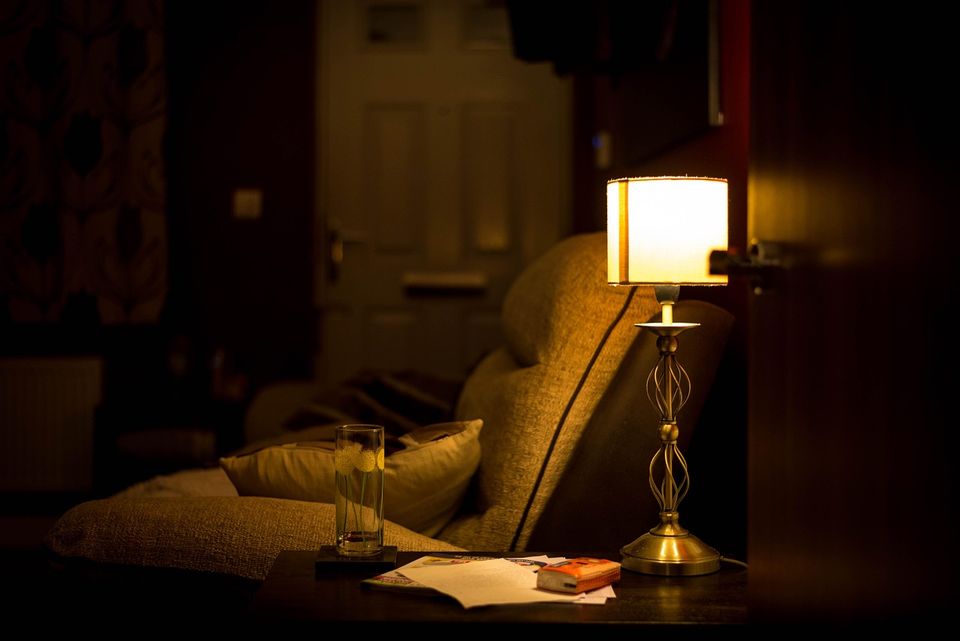
The 3 am station: set up one corner before the baby arrives
A short argument for setting up one small feeding and changing corner before the baby arrives, instead of buying a room full of gear you will not use.
Margaux Dupont4 min read
Diaper bag vs backpack: what new parents actually use
Diaper bag vs backpack for new parents: the answer depends on pockets, hands and who carries it. Here is how to choose without buying a second bag.
Margaux Dupont4 min read
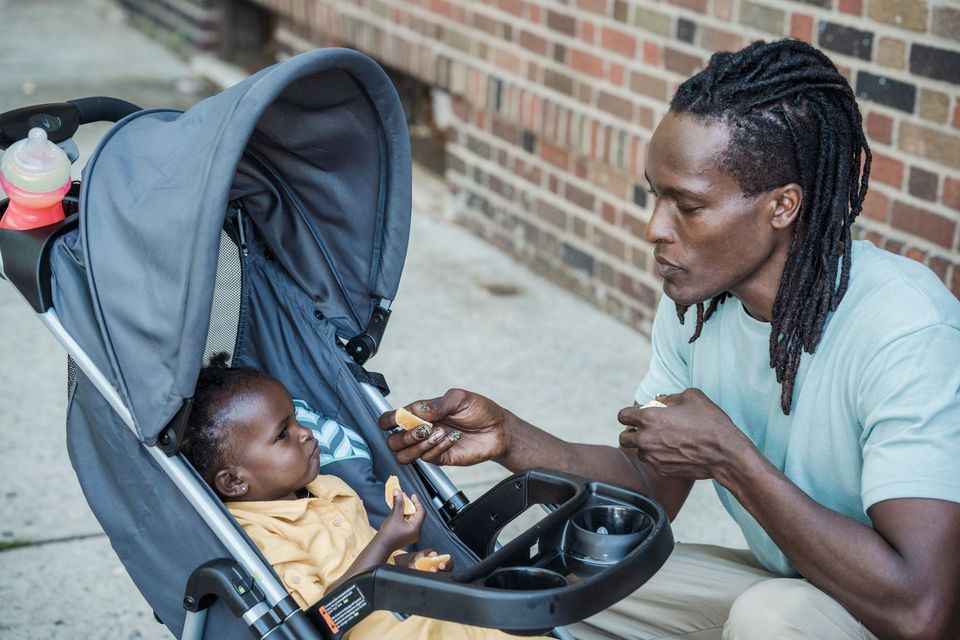
Baby carrier or stroller for the first months
A plain comparison of carriers and strollers for new parents: where each helps, where each fails, and the safety points to check with an official source.
Samir Ouali3 min read
How to choose a baby carrier for a newborn
How to choose a baby carrier for a newborn: check the age and weight range, the baby's position and the fit on you. Includes the safety points to check.
Margaux Dupont6 min read
How many newborn clothes do you need? A simple count
How many newborn clothes do you need? About seven to ten sleepsuits and bodysuits cover the first weeks if you can do laundry every few days.
Margaux Dupont2 min read
Do you need a bottle warmer? A quick answer
Do you need a bottle warmer? Usually no, since a bowl of warm water works. It helps for night feeds if you want a hands-off option. Here is the rule.
Samir Ouali2 min read