
Non-slip shoes for kitchen work: what to check
Non-slip shoes for kitchen work need a soft, grippy sole, a closed top and a fit that lasts ten hours. Here is how to check the sole before you buy.
Samir Ouali5 min read
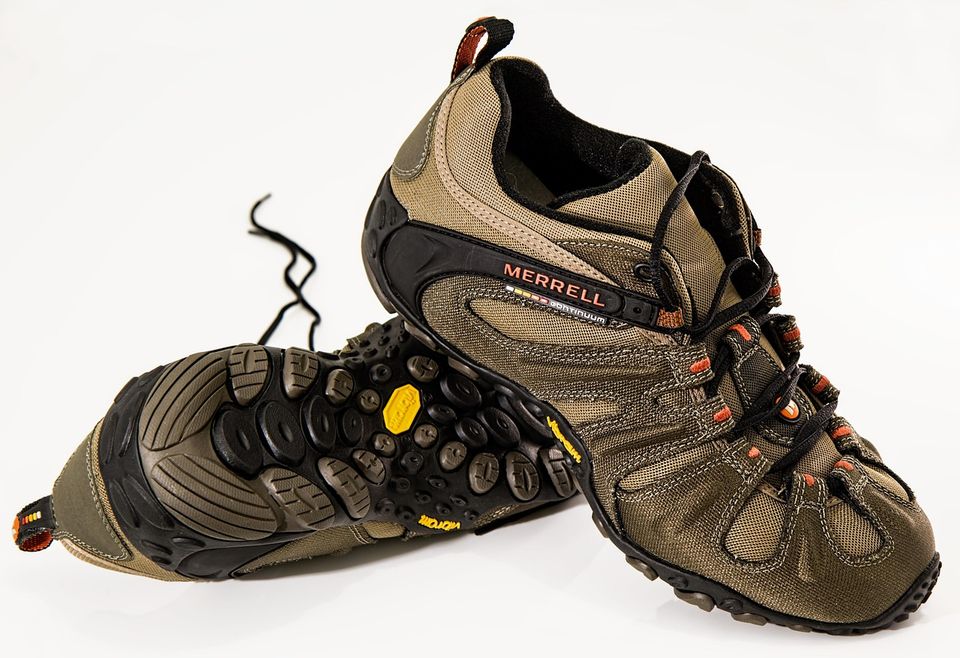
Kitchen floors get greasy, wet and hot. A cook who slips with a pan in hand has a worse day than a cook who just falls. The right shoe does not remove the risk. It cuts it down. The rest is the floor, the mats and how the kitchen is run.
Your kitchen may have a footwear rule, and your local authority may have one too. Ask your manager before you buy. They know what the kitchen allows.
The decision rule
If you stand more than six hours, spend on shoes first. If you work on a greasy or wet floor, put slip resistance first. If your feet hurt, check fit and cushioning next.
What does slip-resistant mean on a shoe?
It means the maker designed the sole and the tread to grip wet or oily floors. There is no single guarantee. Floors, oil, age and wear all change how well a sole grips. Look for a sole the maker marks as slip-resistant for kitchens. Read the label and, if you need to, ask the shop which test the claim comes from.
Ruling: buy a sole made for wet, oily floors, not a general-purpose sole.
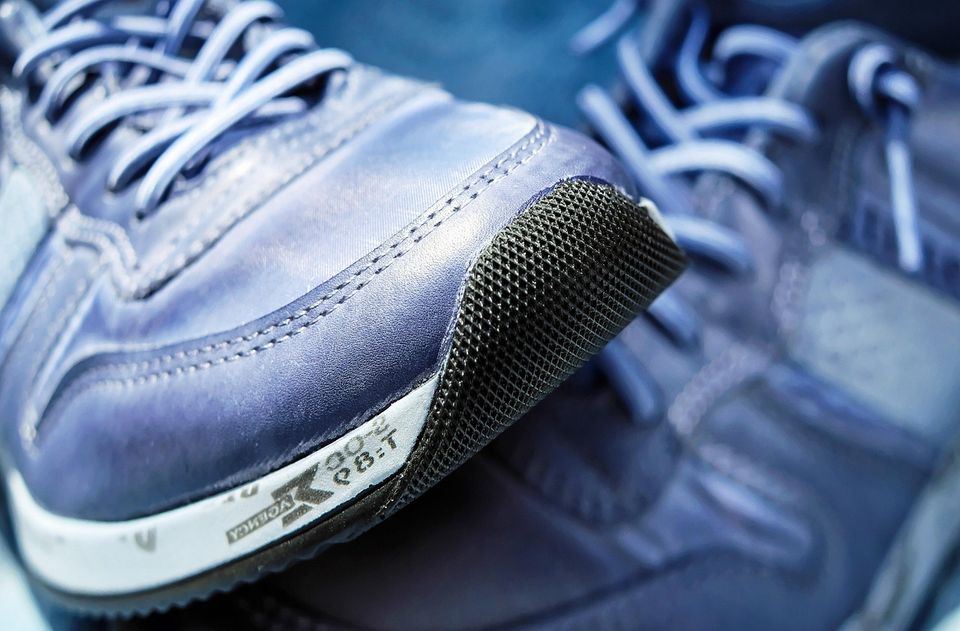
The sole check
- Soft rubber grips better than hard plastic. Press a thumbnail in. It should give a little.
- Open channels in the tread move liquid out from under the shoe. Fine blocked-up patterns do not.
- Smooth patches mean the tread is gone. Replace the shoes.
- Clean the sole. Grease on the tread can cut grip. Many cooks scrub soles with a brush and hot soapy water.
Upper and fit
A closed top protects you from drops and splashes. Choose a smooth, wipeable material, because mesh soaks up grease and takes ages to dry. Try on shoes in the afternoon, when feet are bigger, with the socks you wear at work. Leave a thumb's width in front of your longest toe. Our shoe checklist for long shifts covers cushioning and fit in more detail.
Ruling: fit beats brand. A shoe that rubs will not last the week.
Clogs or laces?
Clogs slip on and wipe clean in a second. Laces hold the heel snug on a fast line. If you slide in clogs, you work harder to stay put. If laces get greasy, they need washing or replacing. Neither is better for everyone. Pick the one you forget about by hour six.
Socks and insoles
Cotton gets wet and cold. A moisture-wicking sock keeps feet drier. A cushioned insole can help if the sole grips but the foam is thin. If you carry a spare pair of socks in your bag, the line cook's kit list covers what else belongs there.
Mats and floors
Anti-fatigue mats can help your legs but can also be a trip hazard if the edges curl. Ask your manager whether mats are allowed and how they are cleaned. Spills should be cleaned up as they happen, no matter what shoes you wear.
Common mistakes
- Trusting the word on the box. Check how the maker describes the sole. A sentence like slip-resistant on wet and oily floors tells you more than a logo.
- Buying for looks. A kitchen shoe is a tool.
- Never cleaning the sole. Grease builds up in the tread and cuts grip. A weekly scrub is cheap and quick.
- Wearing the same pair every day. A second pair lets the foam recover and the lining dry.
A worked example
Take two cooks. One works a wet dish pit and the other works a dry pastry section. The numbers are made up for the example. The first should put slip resistance and a wipeable upper at the top. The second can put cushioning and fit first, since the floor is cleaner. Same job title in a kitchen, different shoe.
Where the answer flips
If your kitchen provides a shoe or a list of approved ones, use it. If your feet are wide, fit comes before any other feature. If you have foot pain that sticks around on days off, see a podiatrist.

You can read how shoes sit with the rest of the kit in our guide to the line cook's bag. For knives, which the same cook also has to look after, see honing vs sharpening.
When to replace
Replace shoes when the tread is smooth in places, the heel is worn on one side, or the foam is flat. Many cooks go through a pair in six to twelve months, depending on hours. The sole usually goes first on a greasy floor.
What cooks usually do
Across kitchens, a pattern tends to show. Many cooks keep one pair for work and never wear it elsewhere, because outside dirt and a greasy floor do not mix. Many carry a spare pair of socks. Most clean the sole at the end of the week and replace the pair once the tread goes smooth. That is a simple routine, and it costs very little.
End of shift
- First to go: the tread, then the cushioning.
- Friday check: look at the sole for smooth patches.
- Clean: the sole at the end of each week.
Quick questions
Do non-slip shoes work on grease?
They help, but they are not a guarantee. A clean floor still matters most.
Can I wear running shoes in a kitchen?
Often not. Mesh soaks up spills and many running soles are not made for oily floors. Check the rule.
How do I clean the sole?
Use a stiff brush, hot water and a degreasing soap. Let them dry fully before the next shift.
Should I rotate two pairs?
Many people do. Foam recovers and soles dry out.
More to read
Keep reading
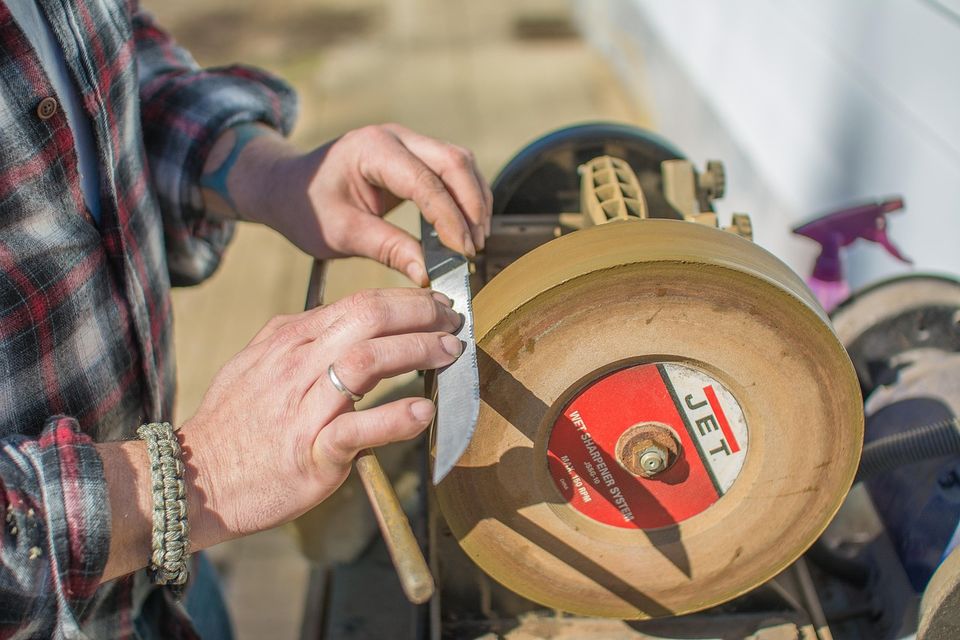
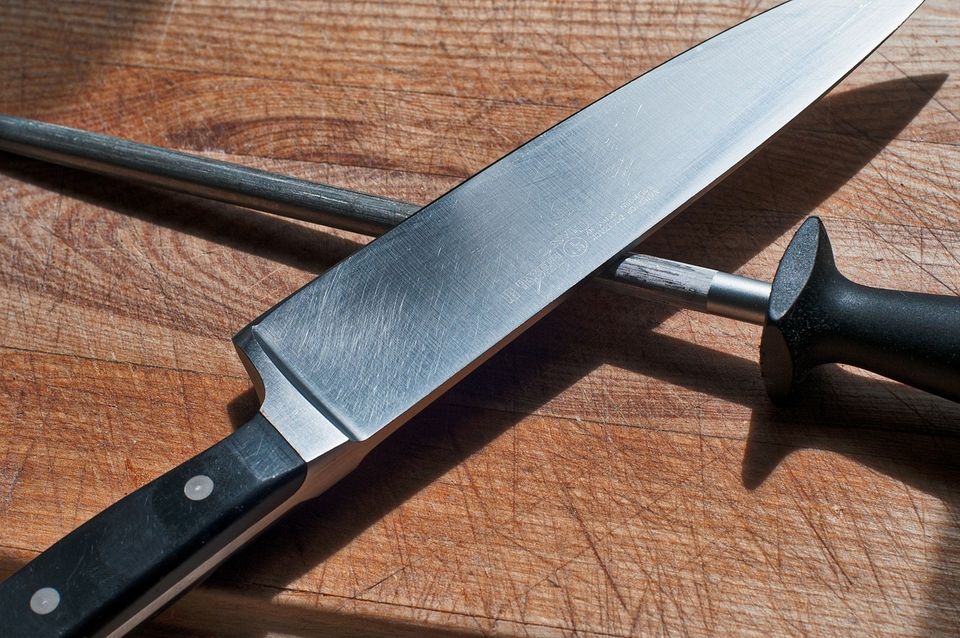
Honing vs sharpening a kitchen knife: what is the difference
Honing vs sharpening a kitchen knife: honing straightens the edge, sharpening removes metal. Here is how often to do each and what you need.
Samir Ouali2 min read
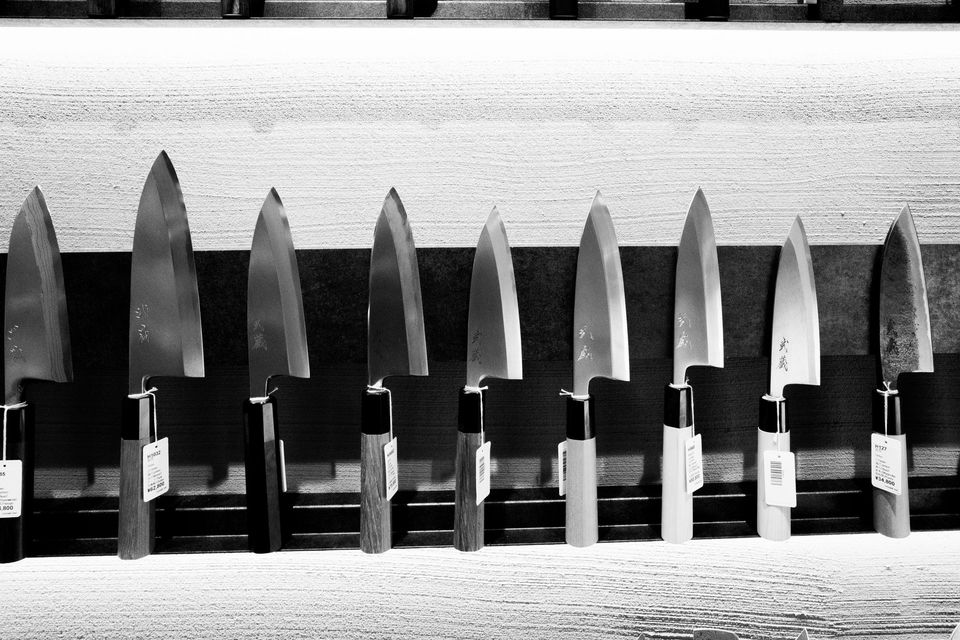
Chef's knife vs santoku: which one for daily prep
Chef's knife vs santoku for daily prep: one rocks, one chops. Here is how to pick the shape that suits your cutting style and your hands.
Samir Ouali4 min read
What goes in a line cook's bag, and what stays home
A short, practical kit list for cooks and kitchen staff: shoes, knives, a towel system and the small things that save a bad service.
Samir Ouali4 min read
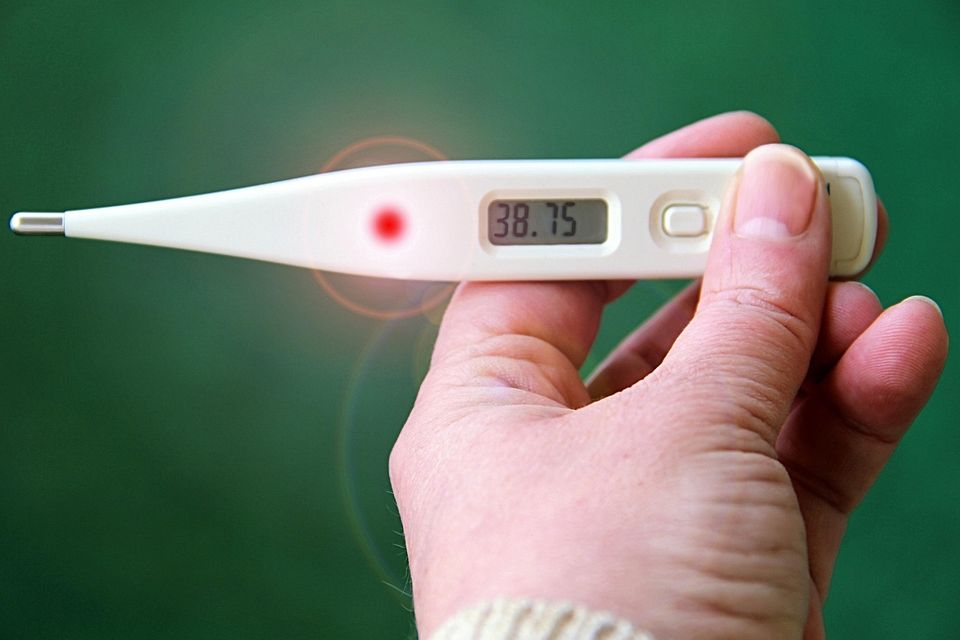
Do you need an instant read thermometer in the kitchen
Do you need an instant read thermometer? Yes if you cook meat, poultry or fish for others, because colour and time are poor guides. Here is how to choose.
Margaux Dupont2 min read
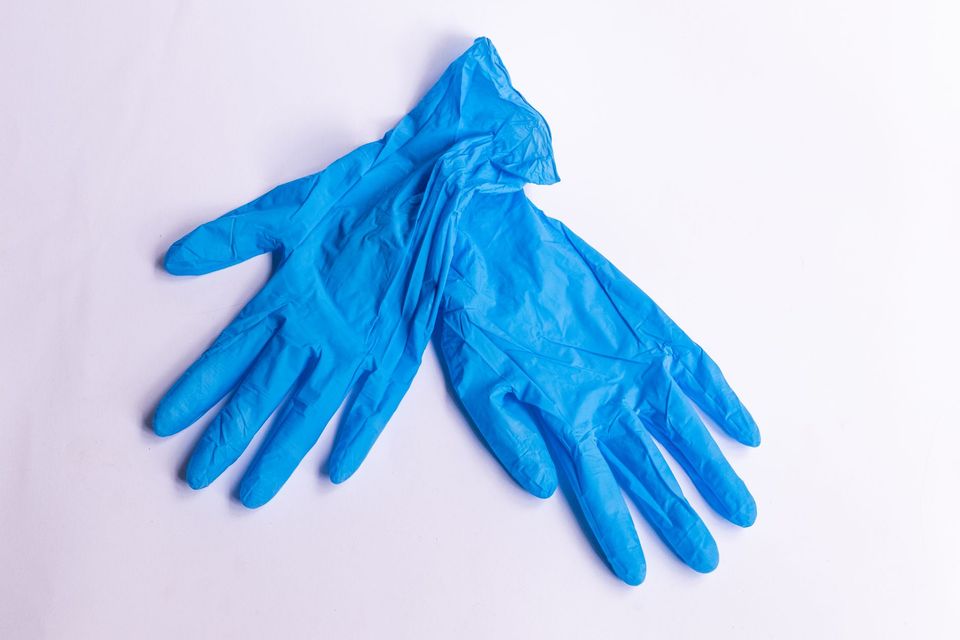
Oven gloves vs side towels for cooks: which is safer
Oven gloves vs side towels for cooks: gloves give more heat protection and grip, towels are fast but burn easily when wet. Here is how to choose.
Samir Ouali4 min read
Wood vs plastic cutting board for a busy kitchen
Wood vs plastic cutting board for a busy kitchen: plastic wins on washing, wood wins on feel and your knives. Here is how to choose and keep them clean.
Margaux Dupont4 min read