
Wool vs cotton socks for work boots: which to wear
Wool vs cotton socks for work boots: wool keeps feet drier and cushions better, cotton holds sweat. Here is a quick rule and the one case where cotton is fine.
Samir Ouali2 min read

Wool or cotton socks for work boots? Wool, or a wicking blend. Cotton soaks up sweat and stays wet. A wet sock rubs, and rubbing causes blisters.
Why it matters
A boot is a closed box. Sweat has nowhere to go. Wool and many synthetic blends move moisture away from the skin and keep some warmth even when damp. Cotton does not. After eight hours that matters more than the price of the sock.
What to look for
- Padding in the heel and ball of the foot. That is where boots rub.
- A snug fit with no folds. Folds cause hot spots.
- Height that clears the boot top. A short sock slides down and rubs.
- A blend, not pure wool. Some blends wash and last better.
One exception
For a short, cool, dry day in a roomy boot, cotton is fine. And if you have a skin condition or allergy, such as a wool sensitivity, choose a synthetic blend and ask a clinician if feet are sore or blistered often.
A simple routine
Carry a spare pair. If your feet get damp at lunch, swap socks and let the boots air a little. Our guide to work boots for concrete floors covers the boot side, and steel toe vs composite toe covers cold and weight.
How many pairs
Most people do well with five to seven pairs of work socks, so there is always a clean pair. Rotate them, and replace any with thin heels. A cheap pair worn thin costs you more in blisters than a good pair costs to buy. If you stand all day in cold, a thicker pair helps, but only if the boot has room, since a tight boot cuts off warmth.
End of shift
- First to go: the heel padding, which thins out after many washes.
- Check on Friday: the heel and toe for holes or thin patches.
- Do tonight: pull the insoles, dry the boots and wash the socks inside out.
More to read
Keep reading

Do you need knee pads for work? A quick check
Do you need knee pads for work? Yes if you kneel for more than a few minutes at a time on hard floors. Here is how to choose a type and when to avoid it.
Samir Ouali2 min read
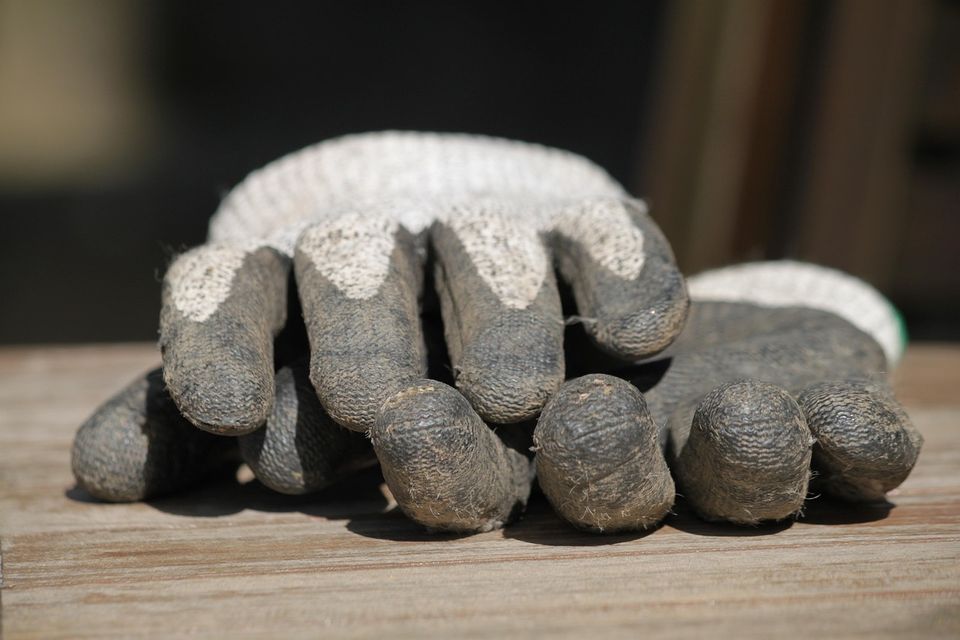
How to choose work gloves for warehouse jobs
Choosing work gloves for warehouse jobs starts with the hazard, not the brand. Here is how to match grip, cut and cold protection to the task.
Samir Ouali5 min read

Headlamp vs flashlight for work: hands free or not
Headlamp vs flashlight for work: a headlamp frees both hands, a flashlight is brighter and more focused. Here is how to pick for trades and night work.
Samir Ouali4 min read
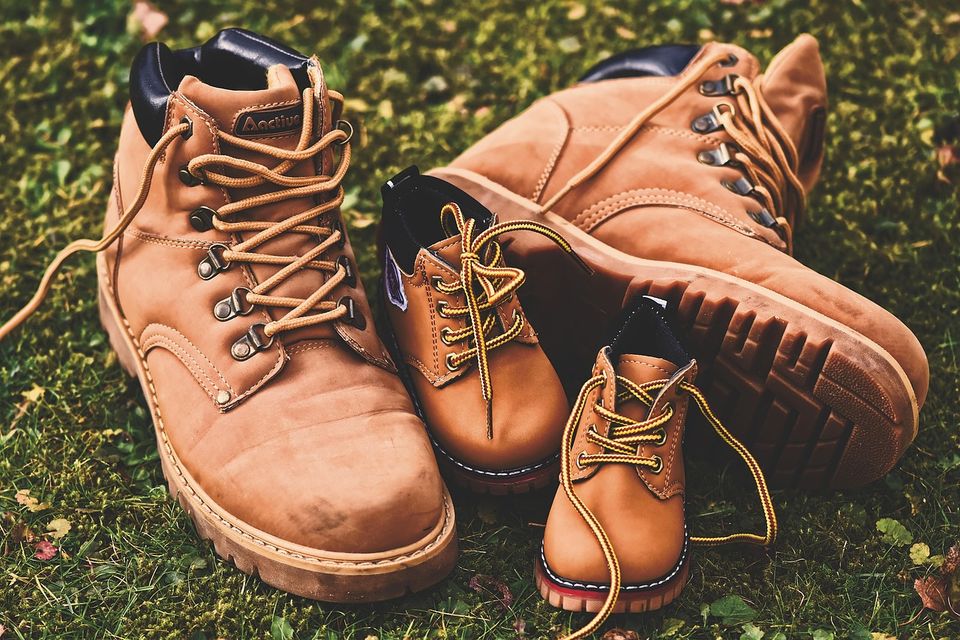
Steel toe vs composite toe boots for warehouse work
Steel toe vs composite toe boots for warehouse work: weight, cold, metal detectors and rules. Here is how to choose, and why your employer decides first.
Samir Ouali4 min read

Do you need a back belt for lifting at work?
NIOSH found no good evidence that back belts prevent injury for people without back problems. Here is what to do first, and who to ask about a belt.
Margaux Dupont2 min read

Tool bag vs bucket organizer for trades and site work
Tool bag vs bucket organizer for trades: bags carry more and zip shut, buckets sit stable and hold wet tools. Here is how to pick for your site work.
Margaux Dupont4 min read