
Steel toe vs composite toe boots for warehouse work
Steel toe vs composite toe boots for warehouse work: weight, cold, metal detectors and rules. Here is how to choose, and why your employer decides first.
Samir Ouali4 min read
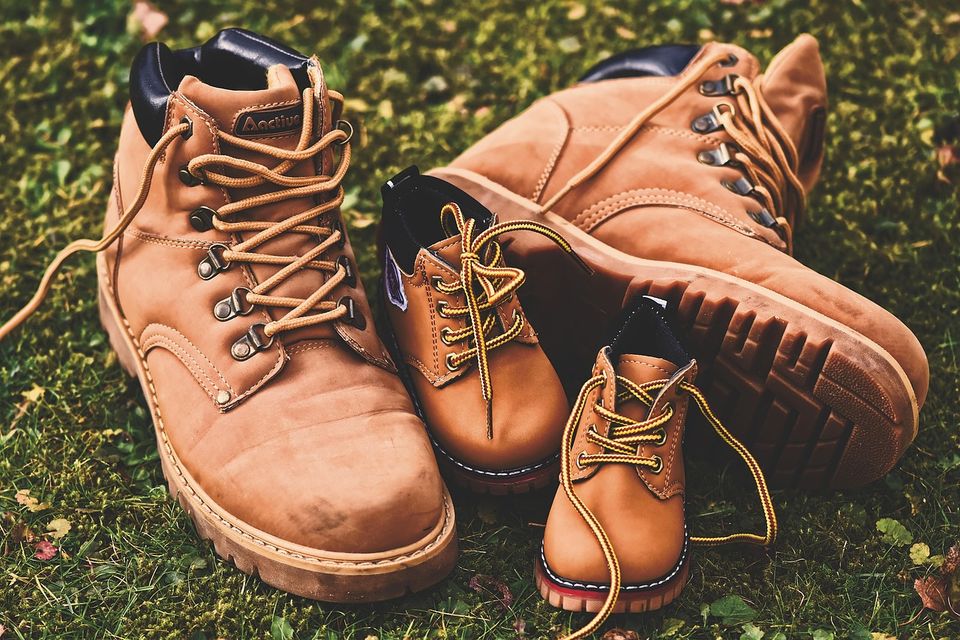
Verdict: the safety rating on the label matters more than the toe material. Within the same rating, steel is usually slimmer and composite is usually lighter and warmer to wear in cold stores.
Your employer decides which rating you need. Ask your supervisor or safety officer what standard the site requires, and look for that marking on the boot. Do not guess, and do not buy until you know.
Which wins on
| On shift | Steel toe | Composite toe |
|---|---|---|
| Weight | Often heavier | Often lighter |
| Toe box shape | Often slimmer | Often bulkier |
| Cold floors | Can feel colder | Often feels warmer |
| Metal detectors | Can trigger them | Usually does not |
| Strength | Meets its rating | Meets its rating |
| Price tier | $ to $$ | $$ |
| What fails first | Sole tread, then liner | Sole tread, then liner |
Pick steel toe if
- You want the slimmest toe, which suits narrow feet.
- Your site accepts it and you do not pass through metal detectors.
- You like a firm, familiar feel.
Pick composite toe if
- You work in a cold store or outdoors in winter.
- You walk long distances and weight matters.
- You pass through metal detectors at work or on site.
A worked example
Take two workers on 10-hour shifts. One walks about 12 miles a shift in a chilled store. The other mostly stands at a packing bench. These numbers are round and made up for this example. The first is likely to notice weight and cold more. The second is likely to care more about the fit and the insole. Neither would be well served by choosing on the toe alone.
Where the answer flips
If your employer requires a specific rating, a specific type or a specific brand list, that overrides all of this. If you have wide feet, pick on the last and fit before the toe cap. If you work near electrical hazards or with chemicals, the safety officer needs to tell you what the boot must do. For general guidance on protective footwear, check your national workplace safety body and your employer's rules.
Rule: fit and rating first, toe material second.
Caution
A boot that has taken a heavy hit may be damaged even if it looks fine. Follow the maker's advice on replacing them after an impact. If your feet, knees or back hurt at the end of the week, see a clinician rather than adding another pair.
Common mistakes
- Buying for the toe and ignoring the sole. Grip and tread matter every step.
- Skipping a fit check. A boot that rubs will not get better. Try them in the afternoon with your work socks.
- Trusting old boots. Cracked soles, damaged toe caps and worn-out linings are reasons to replace them.
- Drying boots on a heater. It can crack leather and warp soles. Dry them at room temperature.

Gloves are the other half of this kit, and our guide to work gloves for warehouse jobs uses the same method: name the hazard first, then pick the gear.
Price tiers in plain words
Low-tier boots ($) often have thin insoles and plain soles. Mid-tier boots ($$) usually add better tread and more comfortable insoles. Top-tier boots ($$$) add specialist features such as waterproof liners. Pay for the sole and the fit before the extras.
End of shift
- First to go: the tread, then the inside liner.
- Friday check: the sole for cracks and the toe cap for dents.
- Dry: boots out overnight, not by a heater.
Quick questions
Are composite toes as safe as steel?
They can meet the same rating. Check the label for the standard your site asks for.
Which is better for cold?
Composite often feels warmer, because it does not carry cold as well.
Do I need an insole?
Many boots ship with thin ones. A supportive insole can help. Our guide to shoes for long shifts explains what to check.
More to read
Keep reading

Do you need knee pads for work? A quick check
Do you need knee pads for work? Yes if you kneel for more than a few minutes at a time on hard floors. Here is how to choose a type and when to avoid it.
Samir Ouali2 min read
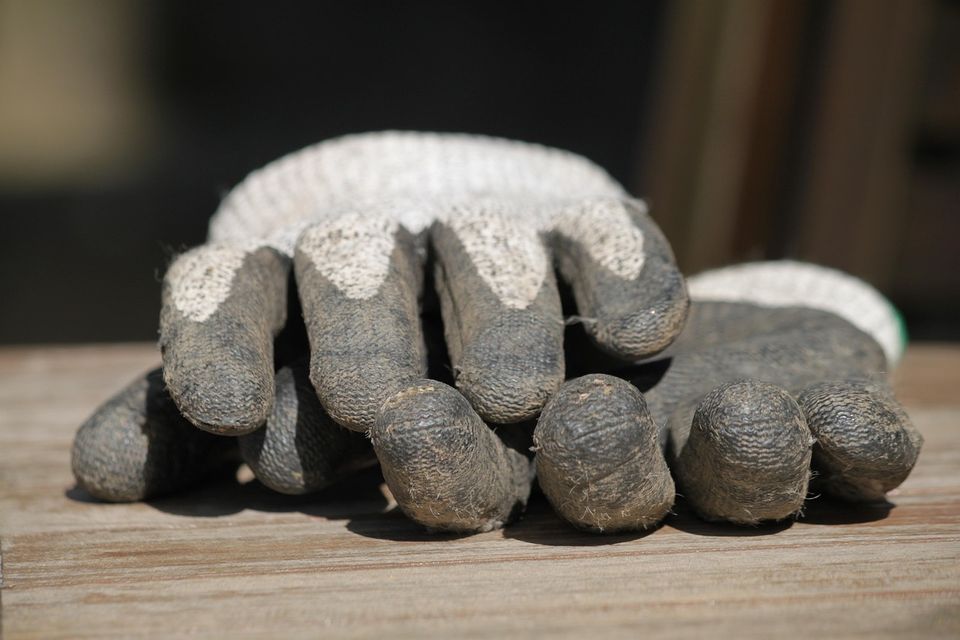
How to choose work gloves for warehouse jobs
Choosing work gloves for warehouse jobs starts with the hazard, not the brand. Here is how to match grip, cut and cold protection to the task.
Samir Ouali5 min read

Headlamp vs flashlight for work: hands free or not
Headlamp vs flashlight for work: a headlamp frees both hands, a flashlight is brighter and more focused. Here is how to pick for trades and night work.
Samir Ouali4 min read

Do you need a back belt for lifting at work?
NIOSH found no good evidence that back belts prevent injury for people without back problems. Here is what to do first, and who to ask about a belt.
Margaux Dupont2 min read

Tool bag vs bucket organizer for trades and site work
Tool bag vs bucket organizer for trades: bags carry more and zip shut, buckets sit stable and hold wet tools. Here is how to pick for your site work.
Margaux Dupont4 min read

Wool vs cotton socks for work boots: which to wear
Wool vs cotton socks for work boots: wool keeps feet drier and cushions better, cotton holds sweat. Here is a quick rule and the one case where cotton is fine.
Samir Ouali2 min read