
How to choose work gloves for warehouse jobs
Choosing work gloves for warehouse jobs starts with the hazard, not the brand. Here is how to match grip, cut and cold protection to the task.
Samir Ouali5 min read
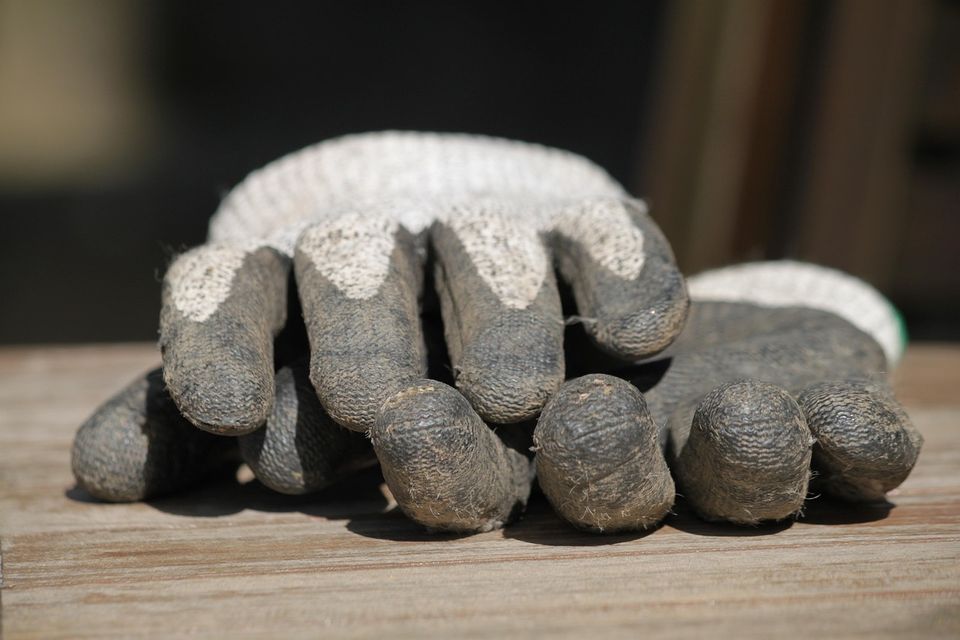
Gloves look like a small purchase. Pick the wrong ones and you get blisters, dropped boxes or a cut hand. Pick the right ones and you forget you are wearing them. The trick is to pick by the thing you touch.
Your employer may supply gloves or require a certain type. Ask your supervisor or safety officer what is approved before you buy your own. For hazards such as chemicals, heat or sharp tools, the safety officer decides, not a shop.
The decision rule
Name the main hazard: rough surfaces, blades, cold, wet or chemicals. Buy for that one. If you have two, you may need two pairs.
Match the glove to the task
| Task | What to look for | What fails first |
|---|---|---|
| Moving boxes and pallets | Coated palm for grip, breathable back | Palm coating wears through |
| Cutting boxes or strapping | Cut resistance rating on the label | Fingertips |
| Cold storage | Insulation, enough room for a liner | Insulation packs flat |
| Wet or oily work | Waterproof coating | Seams at the thumb |
| Chemicals | Only glove approved by your safety officer | Not a DIY choice |
Ruling: if the hazard is a blade or a chemical, follow the label and your safety officer, not this table.
Reading the label
Cut-resistant gloves often carry a rating on the label. Higher numbers usually mean more cut resistance, but they do not mean cut-proof. The maker's guide or your safety officer can tell you which level fits which task. Do not use a glove rated for light cuts around powered blades.
Fit
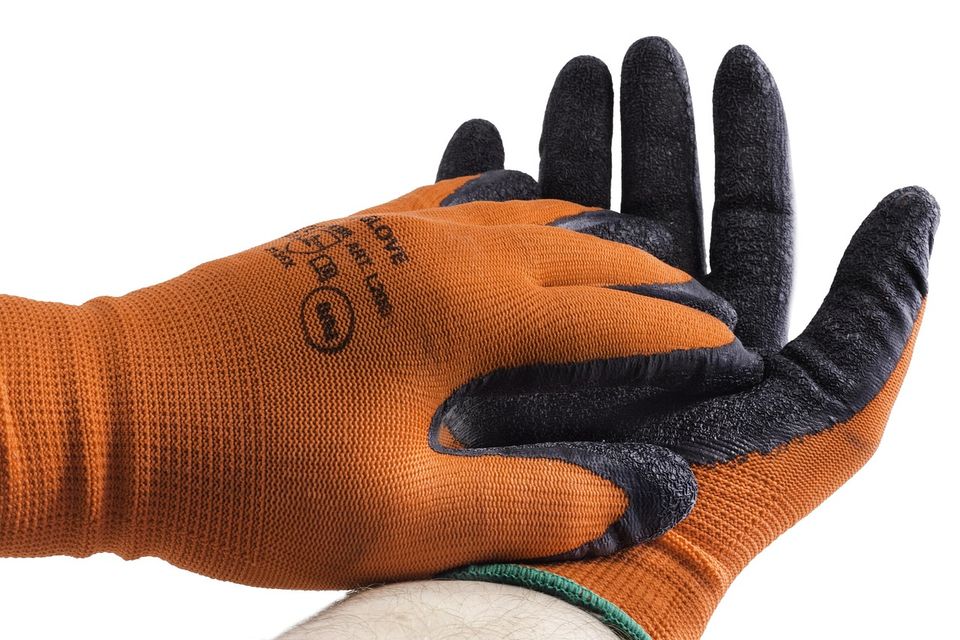
A glove that is too loose slips and catches. One that is too tight tires your hand and cuts circulation. Measure around the palm and compare to the maker's chart. Leave a little room at the fingertip, but not enough to fold over.
- Try with the tool or box in hand. Check you can still grip.
- Check the cuff. It should stay put when you reach up.
- Wear liners if you use them in the cold, and size for both.
Rotate, wash, replace
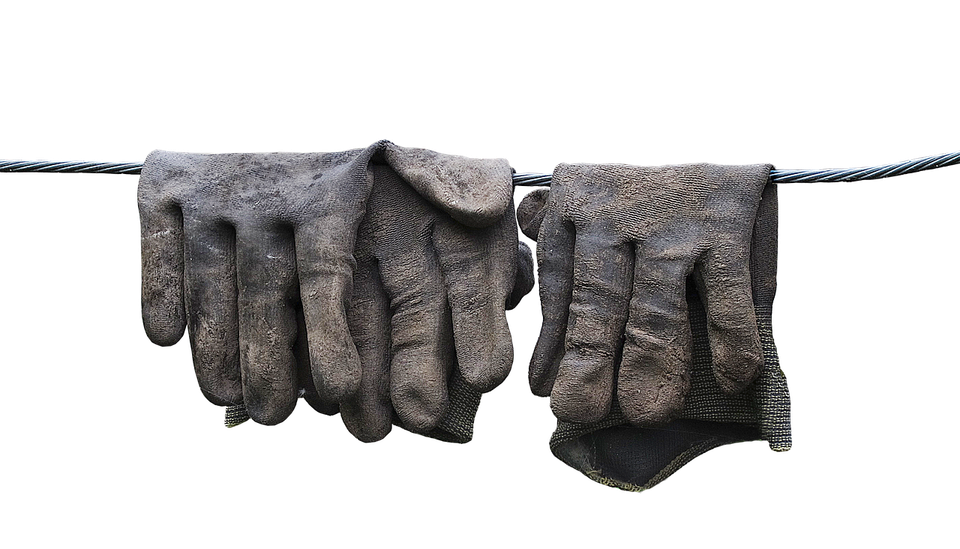
Two pairs last longer than one because gloves dry out between shifts. Wash by the label. Replace when the palm is thin or shiny, when seams open or when cut-resistant fibres look frayed. Some people clip a pair to a belt so they never lose them.
If you also lift heavy loads, read our note on whether you need a back belt for lifting. Gloves help your grip. They do not fix a load that is too heavy.
Common mistakes
- One pair for everything. A glove good for boxes is wrong for cold or blades.
- Buying a size too big for comfort. Loose gloves catch on pallets and strapping.
- Trusting the cut number blindly. A rating tells you something about a test, not about your task. Ask your safety officer.
- Wearing wet gloves. Damp gloves chafe and cool your hands. Swap them out.
What people in warehouse jobs usually carry
Across warehouse and trades work, a pattern tends to show. One everyday grip glove, one spare pair, and a heavier or insulated pair that lives in the locker for cold or special tasks. Many also carry a cheap pair of disposable gloves for dirty jobs. Anything else is a site-specific item that the employer supplies.
Gloves and the rest of your kit
Gloves are one piece of what keeps your hands in working order. Boots matter just as much, and our comparison of steel toe and composite toe boots covers the choice there. For a different kind of protection, our note on knee pads shows the same method: name the hazard, then pick the kit.
When not to wear gloves
Some machines catch loose gloves and pull a hand in. Your employer will have a rule about this. If someone tells you to take gloves off at a machine, that is not a suggestion. Follow the site rules.
Hand care
If your hands crack, blister or go numb, see a clinician. Moisturise at night and keep nails short. Gloves are not a substitute for a medical check.
A simple test before you commit
Pick up a box, a roll of tape and a pen while wearing the glove. If you can do all three without fumbling, the fit and the thickness are about right. Open and close your hand twenty times. If it tires quickly, the glove is stiff or too tight. If a glove passes this test in the shop, it is likely to pass on shift.
End of shift
- First to go: the palm coating and the fingertips.
- Friday check: hold a glove up to the light. Thin spots show.
- Dry: gloves open overnight, away from a heater.
Quick questions
Are leather gloves better than coated ones?
Leather lasts and resists heat and rough surfaces. Coated gloves grip better on boxes. Pick for the task.
Do cut-resistant gloves stop all cuts?
No. They reduce risk and have limits. Follow the rating and the site rules.
Can I wash work gloves?
Many can be. Check the label, and air dry them.
How often should I replace them?
When the palm is thin, seams split or the grip is gone. That is often a few weeks of heavy use.
More to read
Keep reading

Do you need knee pads for work? A quick check
Do you need knee pads for work? Yes if you kneel for more than a few minutes at a time on hard floors. Here is how to choose a type and when to avoid it.
Samir Ouali2 min read

Headlamp vs flashlight for work: hands free or not
Headlamp vs flashlight for work: a headlamp frees both hands, a flashlight is brighter and more focused. Here is how to pick for trades and night work.
Samir Ouali4 min read
Steel toe vs composite toe boots for warehouse work
Steel toe vs composite toe boots for warehouse work: weight, cold, metal detectors and rules. Here is how to choose, and why your employer decides first.
Samir Ouali4 min read

Do you need a back belt for lifting at work?
NIOSH found no good evidence that back belts prevent injury for people without back problems. Here is what to do first, and who to ask about a belt.
Margaux Dupont2 min read

Tool bag vs bucket organizer for trades and site work
Tool bag vs bucket organizer for trades: bags carry more and zip shut, buckets sit stable and hold wet tools. Here is how to pick for your site work.
Margaux Dupont4 min read

Wool vs cotton socks for work boots: which to wear
Wool vs cotton socks for work boots: wool keeps feet drier and cushions better, cotton holds sweat. Here is a quick rule and the one case where cotton is fine.
Samir Ouali2 min read