
Do you need a back belt for lifting at work?
NIOSH found no good evidence that back belts prevent injury for people without back problems. Here is what to do first, and who to ask about a belt.
Margaux Dupont2 min read

A back belt looks like protection. It is the most obvious piece of kit in a warehouse. The research is less encouraging than the look.
NIOSH, the US federal workplace health research body, reviewed the evidence in a report titled Back Belts: Do They Prevent Injury? and concluded that there was not enough proof that belts reduce injury in workers who have not already hurt their backs. That is an old publication, so read it as a starting point and not the last word. Your employer's safety team may have newer guidance.
What helps more
Most back injuries start with the job design, not the missing belt. Before you spend money, ask for these:
- Smaller loads. Ask whether the item can be split or put on a cart.
- Better heights. Lifting from the floor or above the shoulder is harder than from the waist.
- A mechanical aid. A trolley, hoist or lift table beats a belt every time.
- A two-person lift for awkward things.
- Technique training from your employer, since it varies by the task.
When a belt might still come up
If you have had a back injury, ask a doctor or physiotherapist whether a support makes sense for you. A belt can also make some workers feel safer and lift heavier than they should. That is the risk to watch for.
Some employers supply or require a specific support. Ask yours, and if they do, use the one they approve.
What to buy instead
Shoes with a good sole matter more for most floor work. Our guide to long-shift shoes covers support and fit, and it applies to warehouse floors as well as wards.
End of shift
- First to go: your habit of using the belt as an excuse to lift heavy.
- Check on Friday: the cart wheels and the load height, not the belt.
- Ask: whether your site has a manual handling assessment for the things you lift most.
More to read
Keep reading

Do you need knee pads for work? A quick check
Do you need knee pads for work? Yes if you kneel for more than a few minutes at a time on hard floors. Here is how to choose a type and when to avoid it.
Samir Ouali2 min read
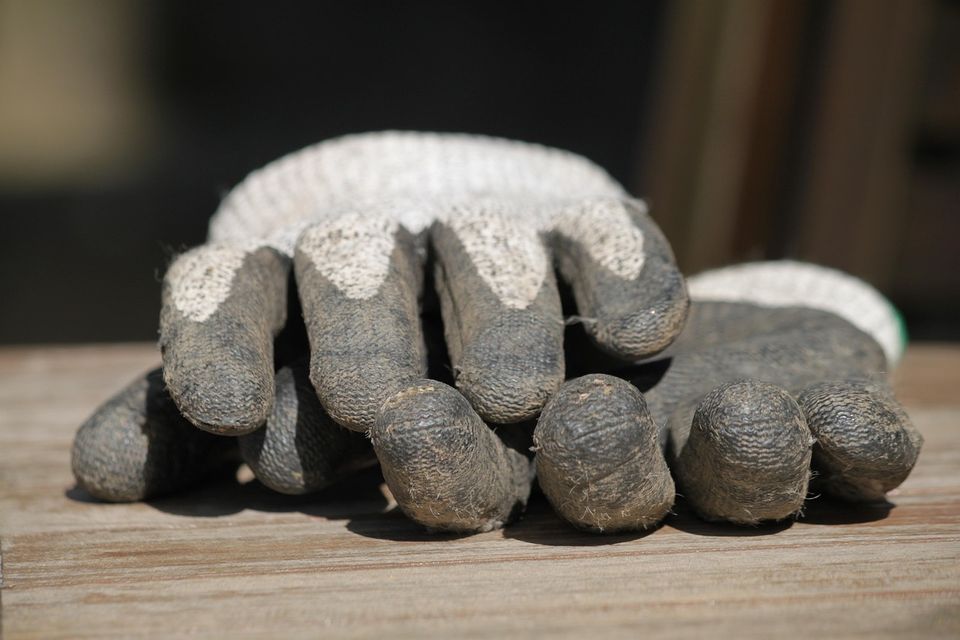
How to choose work gloves for warehouse jobs
Choosing work gloves for warehouse jobs starts with the hazard, not the brand. Here is how to match grip, cut and cold protection to the task.
Samir Ouali5 min read

Headlamp vs flashlight for work: hands free or not
Headlamp vs flashlight for work: a headlamp frees both hands, a flashlight is brighter and more focused. Here is how to pick for trades and night work.
Samir Ouali4 min read
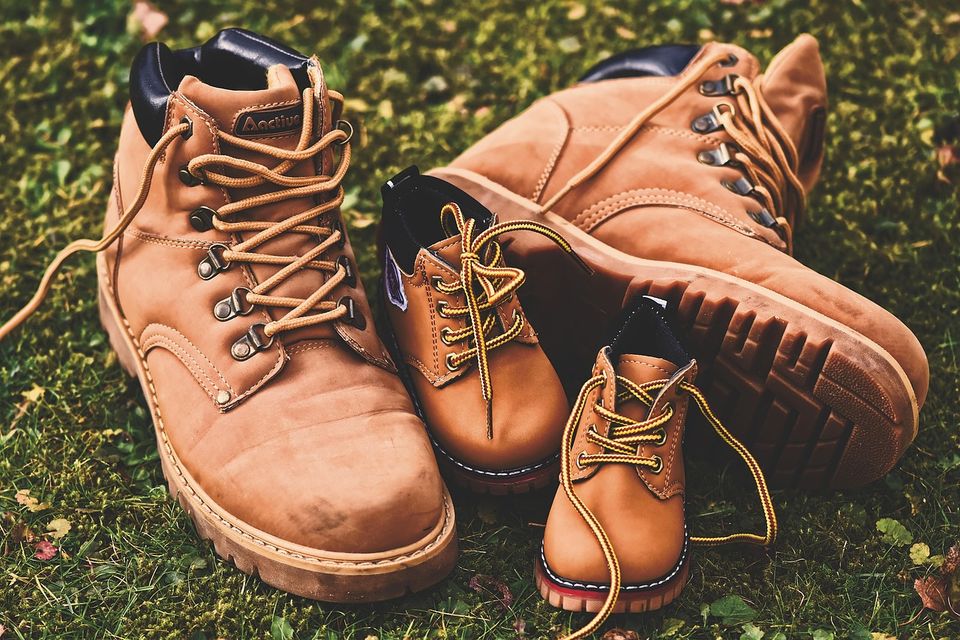
Steel toe vs composite toe boots for warehouse work
Steel toe vs composite toe boots for warehouse work: weight, cold, metal detectors and rules. Here is how to choose, and why your employer decides first.
Samir Ouali4 min read

Tool bag vs bucket organizer for trades and site work
Tool bag vs bucket organizer for trades: bags carry more and zip shut, buckets sit stable and hold wet tools. Here is how to pick for your site work.
Margaux Dupont4 min read

Wool vs cotton socks for work boots: which to wear
Wool vs cotton socks for work boots: wool keeps feet drier and cushions better, cotton holds sweat. Here is a quick rule and the one case where cotton is fine.
Samir Ouali2 min read