
How to choose work boots for concrete floors all day
How to choose work boots for concrete floors: check the midsole, the fit at day's end and the safety rating your job needs. Includes when to replace them.
Samir Ouali6 min read
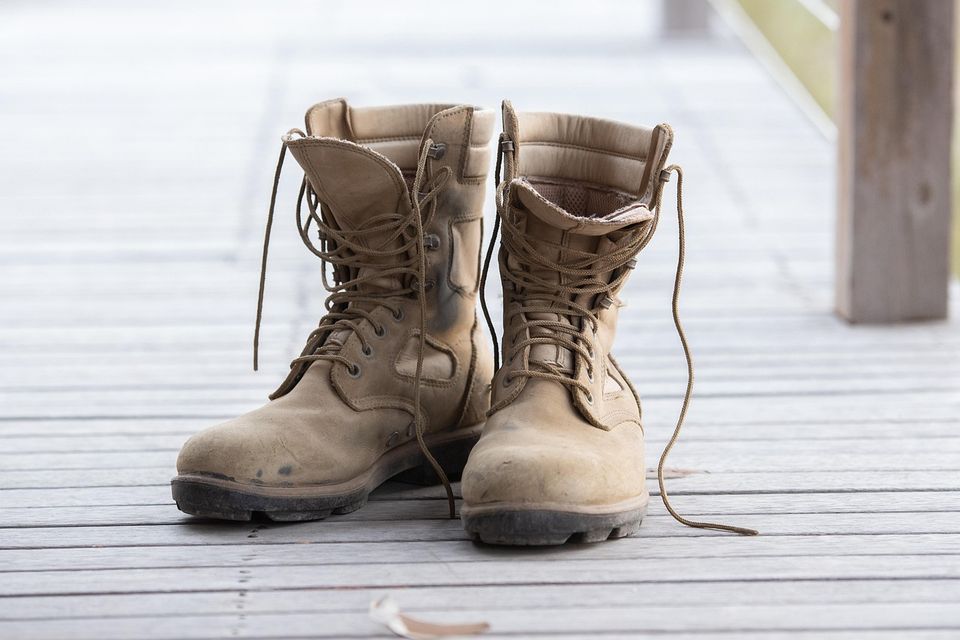
Concrete does not give back. Every step is hard, and by hour eight your feet and knees feel it. Choose a boot with a cushioned midsole, a firm heel and room for swollen feet. Check the safety rating your job requires. Replace them when the cushioning feels flat.
The decision rule
Start with what your employer requires. Then pick fit, then cushioning, then weight. A boot that is the wrong fit or fails a safety rule is no use at any price.
Step 1: the safety rule comes first
Your employer or safety officer states if you need a protective toe, a slip-resistant sole, an electrical rating or something else. Official bodies such as OSHA in the US and local equivalents set the rules for workplaces, so check with yours. For the toe question, see steel toe vs composite toe boots.
Ruling: do not buy a boot that does not meet your workplace's stated standard.
Step 2: fit at the end of the day
Feet swell. Try boots on late in the day, with the socks you will wear. You want:
- A thumb's width in front of the longest toe.
- A heel that stays put when you walk.
- Room to wiggle the toes without sliding forward on a slope.
- No pinch across the ball of the foot.
Ruling: if a boot hurts in the shop, it will hurt more on a shift. Do not rely on breaking in.
Step 3: cushioning and midsole
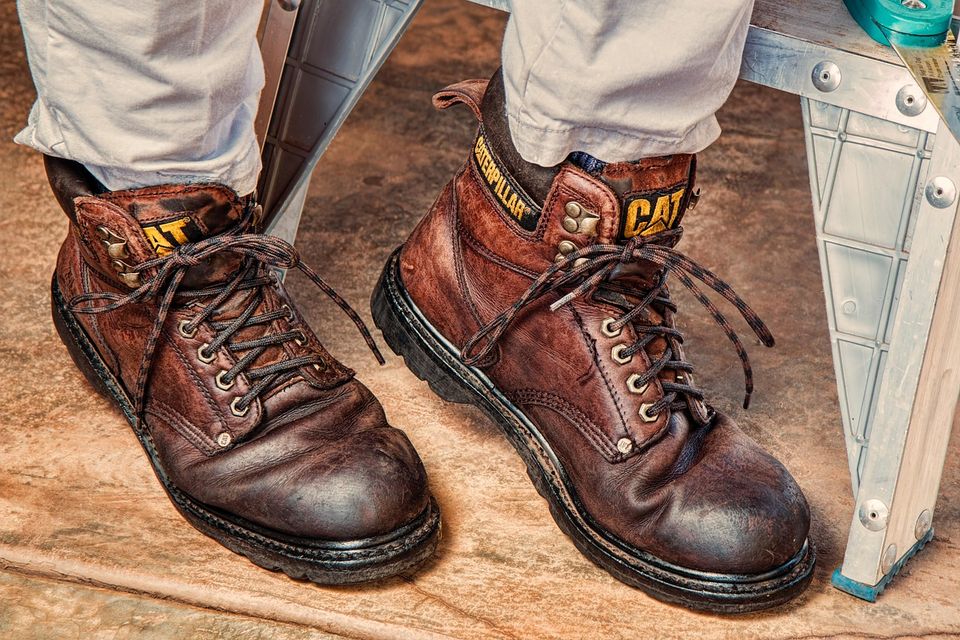
The midsole is the layer between the outsole and your foot. It absorbs shock. Press it with a thumb. It should compress and spring back. Over months it flattens, and no insole fully fixes that.
Some boots have a firm, supportive shank. A stiff shank can help if you stand on ladders or edges. For soft cushioning on flat concrete, a softer midsole may feel better, but too soft can tire your legs. Try a few.
Ruling: firm with some give beats pillow-soft or board-hard.
Step 4: weight
Heavy boots tire your legs, especially on long walking shifts. Lighter composite materials can help, but not every job allows them. Match the boot to the task. A boot for sitting on a forklift is different from one for walking a mile of aisles.
Ruling: pick the lightest boot that meets the safety rule and holds your foot.
Step 5: socks and insoles
Wool or wicking socks keep feet drier. Cotton holds sweat. An insole can add support, and some people prefer a fresh insole to replace a worn one. Try it before buying more boots. If you have foot pain that does not ease, talk to a podiatrist before spending more. Our sore feet checklist is written for nurses but the order of fixes works for anyone on hard floors.
Ruling: sort socks and fit before you add insoles.
A worked example
Say you walk about eight hours on concrete, five days a week. Round numbers only. That is 40 hours a week on a surface with no give. Even a good boot will lose its cushioning in months, so plan on swapping the pair at some point, not on wearing them for years. If your boots are six months old and the midsole feels flat, a new pair will likely help more than another insole.
Rotate two pairs
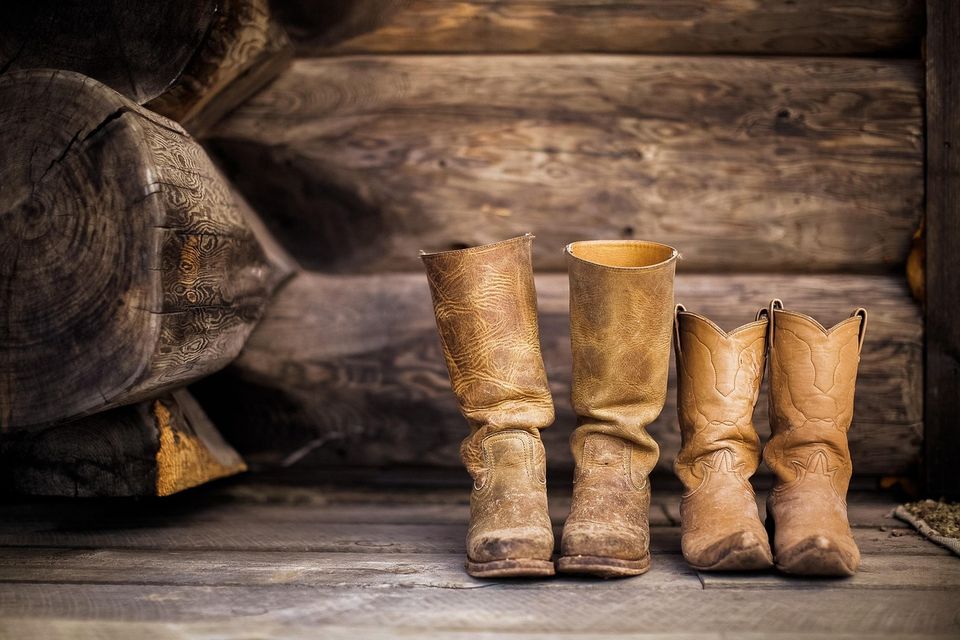
Two pairs, worn on alternate days, last longer than one worn daily. Boots take a full day to dry out from sweat. A damp boot breaks down faster and rubs more. If you cannot afford two pairs of the best, think about one good pair and one older backup.
Common mistakes
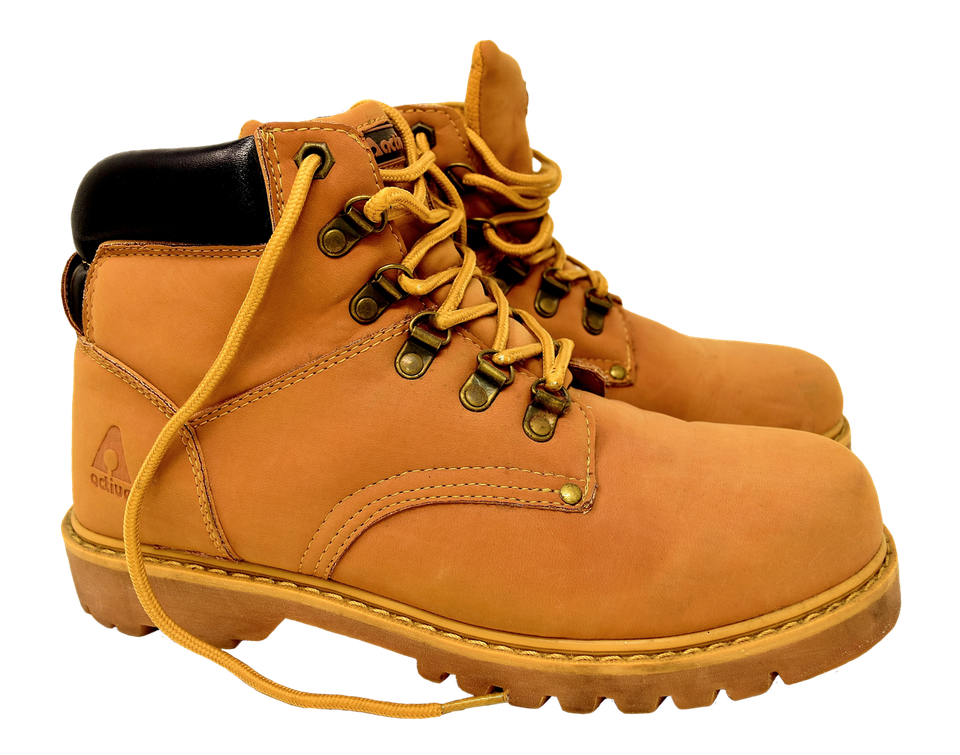
- Buying on looks and then finding no room for the toes.
- Wearing the same pair every day. Two pairs, swapped, last longer.
- Ignoring the dress code or safety rule.
- Keeping boots until the leather cracks, though the cushioning died months ago.
What people in this trade usually carry
A spare pair of socks, a second insole and a small brush or cloth for dirt. Some keep a second pair of boots in the car. For gloves, see work gloves for warehouse jobs.
Cold, wet and hot floors
Concrete in a cold store sucks heat from your feet, so a thicker sole and warm socks matter. In a wet area, check the sole grip. In a hot building, a breathable boot keeps sweat down. Tell the shop where you work, and ask what the maker says about temperature and water. Your workplace may also set rules on the boot material.
If you stand more than you walk, a boot with a wider base can feel steadier than a narrow one. Try standing still in a pair for a few minutes in the shop, not only walking.
Breaking them in
Good boots should feel fine within a few days. Wear them for short stretches at first, with the socks you will use on shift. If you get a hot spot, stop and fix the fit instead of pushing through. A boot that still hurts after a week of gentle wear is probably the wrong shape for your foot.
End of shift
- First to go: midsole cushioning, then the insole.
- Check on Friday: the outsole for smooth patches and the heel wear.
- Do tonight: take the insoles out and let the boots dry before the next shift.
Quick questions
What boots are best for concrete floors?
Boots with a cushioned midsole, a stable heel and the safety rating your job needs.
Do I need insoles for concrete floors?
Not always. A good boot may be enough. Add insoles if you need extra support.
How often should I replace work boots?
When the cushioning feels flat or the sole is worn smooth. It varies by job and use.
Are heavy boots worse for your feet?
They can tire the legs faster. Choose the lightest boot that meets your safety needs.
More to read
Keep reading

Do you need knee pads for work? A quick check
Do you need knee pads for work? Yes if you kneel for more than a few minutes at a time on hard floors. Here is how to choose a type and when to avoid it.
Samir Ouali2 min read
How to choose work gloves for warehouse jobs
Choosing work gloves for warehouse jobs starts with the hazard, not the brand. Here is how to match grip, cut and cold protection to the task.
Samir Ouali5 min read

Headlamp vs flashlight for work: hands free or not
Headlamp vs flashlight for work: a headlamp frees both hands, a flashlight is brighter and more focused. Here is how to pick for trades and night work.
Samir Ouali4 min read
Steel toe vs composite toe boots for warehouse work
Steel toe vs composite toe boots for warehouse work: weight, cold, metal detectors and rules. Here is how to choose, and why your employer decides first.
Samir Ouali4 min read

Do you need a back belt for lifting at work?
NIOSH found no good evidence that back belts prevent injury for people without back problems. Here is what to do first, and who to ask about a belt.
Margaux Dupont2 min read

Tool bag vs bucket organizer for trades and site work
Tool bag vs bucket organizer for trades: bags carry more and zip shut, buckets sit stable and hold wet tools. Here is how to pick for your site work.
Margaux Dupont4 min read