
Sore feet after a 12-hour shift: what to change first
Sore feet after a 12 hour shift usually come from worn shoes, bad fit or no breaks. Here is the order to fix things in, and when to see a clinician.
Margaux Dupont5 min read

If your feet hurt after a 12-hour shift, start with the shoes. Worn foam and a poor fit cause most of it. Then look at socks, then at how and when you rest. Sharp, constant or worsening pain is a reason to see a clinician, not to buy more gear.
The order to fix it in
- Check the shoes.
- Check the fit.
- Check the socks.
- Add support only if the first three are fine.
- Look at how you rest.
Do them in that order. Most people jump to insoles and skip the shoe that is already dead.
Step 1: how old are the shoes
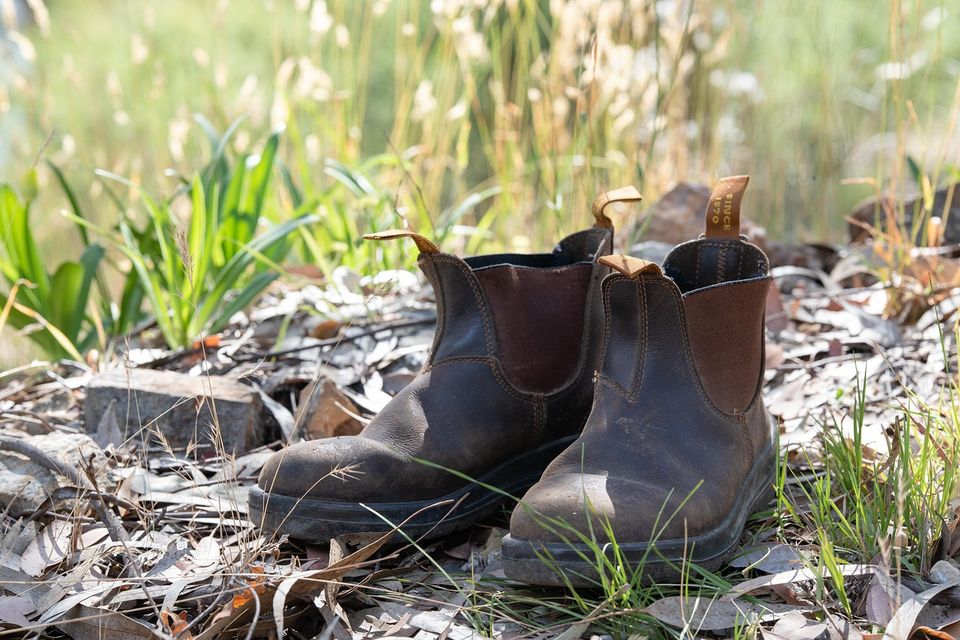
Cushioning goes flat long before the upper looks worn. Press the foam under the heel with your thumb. Turn the shoe over and look for smooth patches on the sole. Put the shoe on a table and look from behind. If it leans to one side, the support is gone.
Many people replace work shoes every six to twelve months, depending on how much they walk. Our note on when to replace nursing shoes has the full check.
Ruling: if the foam is flat, new shoes beat any add-on.
Step 2: is the fit right
Feet swell during a long shift. A shoe that feels fine at 7 am can be tight at 3 pm. In general:
- Try shoes on late in the day.
- Leave about a thumb's width past your longest toe.
- Check the width. A narrow shoe squeezes the toes and can cause pain.
- Wear the socks you work in.
Ruling: if your toes feel squeezed by midday, go up half a size or try a wider shoe.
Step 3: what are your socks doing
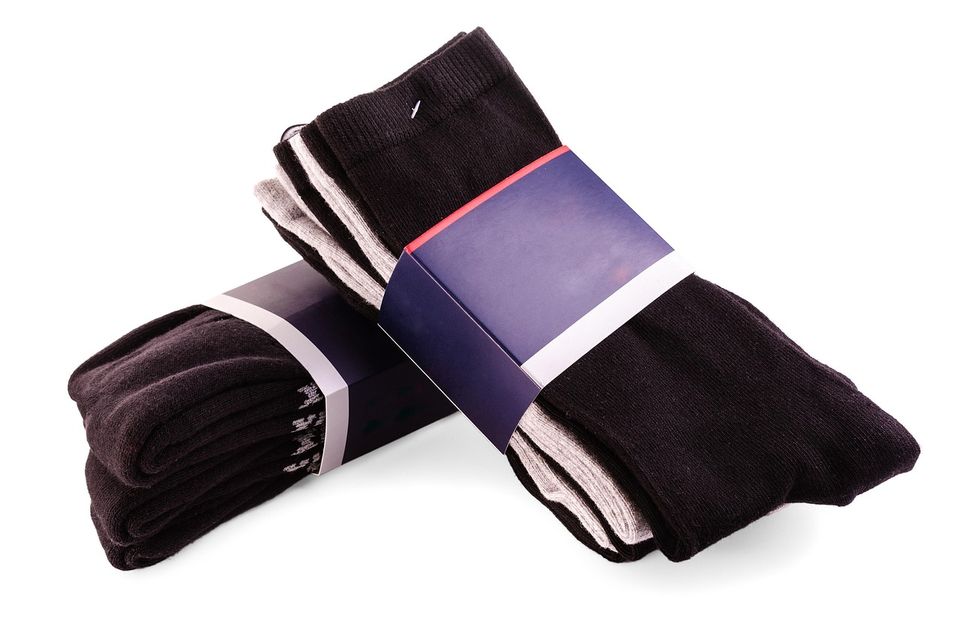
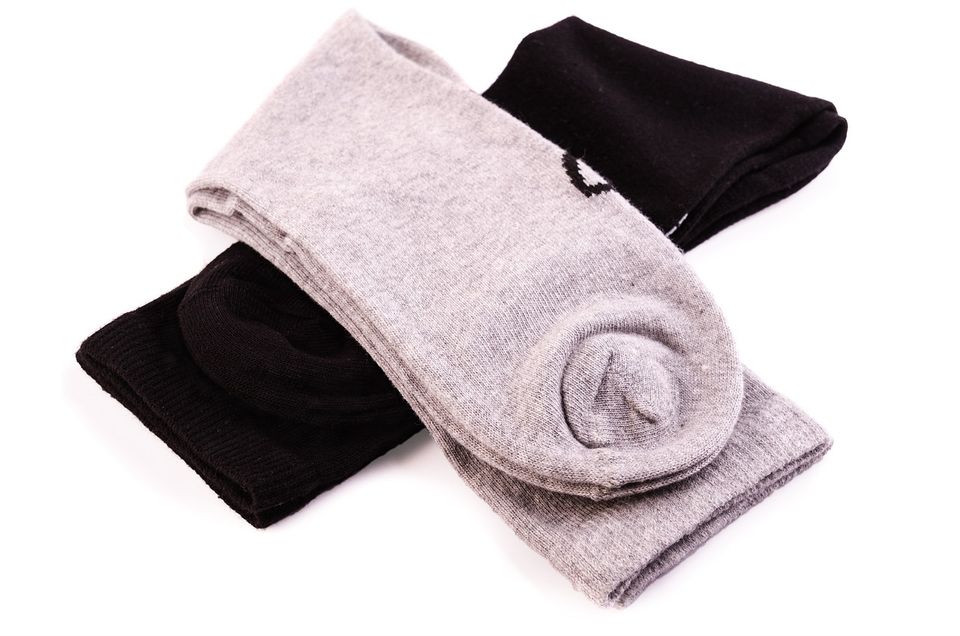
Thin cotton socks hold sweat. Damp feet rub, and rubbing causes blisters. Socks made for work or sport usually move moisture away from the skin. Some people also find that a firmer sock helps with swelling. If that is you, read compression socks for long shifts first, and ask a clinician if you have any circulation or skin condition.
Ruling: change the socks before you change the insoles. It costs the least.
Step 4: add support if you need it
If the shoe is new and fits, but your arches still ache, a supportive insole may help. Keep it simple. Pick one that fits the shoe without crowding the toes, and give it a week or two to feel normal. Many people find that firm support helps more than soft padding.
Ruling: insoles fix a support gap. They do not fix a worn-out shoe.
Step 5: how you rest
Gear is half of it. A few small habits help:
- Sit down when you can, even for two minutes.
- Take your shoes off on breaks if your workplace allows it.
- Change your standing position now and then.
- At home, put your feet up and gently stretch your calves.
A small foot roller can feel good on tight soles, but stop if it hurts.
When to see someone
Gear cannot fix everything. See a doctor or podiatrist if you have:
- Sharp pain in the heel or arch, especially first thing in the morning.
- Swelling that does not go down overnight.
- Numbness, tingling or colour changes in the feet.
- Pain that wakes you at night.
- Diabetes or a circulation problem, and any new foot symptom.
Do not self-treat these. Your clinician can tell you what is going on.
What people on long shifts usually carry
A second pair of socks, a small tube of blister cream or tape, and sometimes a spare insole. These are small and live in the locker or the bag. For the full bag, see what to carry in a nurse bag.
A worked example
Say your shoes are about a year old, you work three 12-hour shifts a week, and your feet ache from hour six. These are round numbers, for illustration only. Three shifts is 36 hours on your feet each week. Over a year, that is a great many steps on foam that was never meant to last forever. Here, the shoe is the first suspect, not the insole.
Now say the shoes are three months old and fit well. Then look at socks, breaks and the floor you work on. Where your workplace allows it, a mat at a fixed station can take some load off.
Mistakes that keep the pain going
- Pushing through pain and hoping it fades.
- Buying a soft shoe because it feels nice for five minutes in the shop.
- Wearing the same pair every shift. Two pairs last longer and let the foam recover.
- Ignoring heel pain that is worst first thing in the morning. A clinician should look at that one.
The checklist in what to look for in shoes for 12-hour shifts will help you pick the next pair.

End of shift
- First to go: heel foam, then sock quality.
- Check on Friday: the heel wear and any red spots from rubbing.
- Do tonight: feet up for ten minutes before you do anything else.
Quick questions
Why do my feet hurt more at the end of the shift?
Feet swell as you stand, and cushioning compresses over the day. A tight or worn shoe makes it worse.
Do I need new shoes or new insoles?
New shoes if the foam is flat or the heel is worn. Insoles only if the shoe is in good shape and you need more support.
Is foot pain after work normal?
Mild tiredness is common. Sharp, constant or worsening pain is not something to wait out, so ask a clinician.
How soon should I see a doctor?
If pain lasts more than a couple of weeks despite better shoes, or comes with numbness or swelling, book an appointment.
More to read
Keep reading

When to replace nursing shoes: signs the foam is gone
Wondering when to replace nursing shoes? Look at the heel wear, the foam and how your feet feel by hour six. Here are the checks that take a minute.
Samir Ouali2 min read
Compression socks for long shifts: who they suit
Compression socks can ease tired legs on a long shift, but not everyone should wear them. Here is how to decide, size and check with a clinician.
Samir Ouali4 min read

What to carry in a nurse bag for a 12-hour shift
A short list of what to carry in a nurse bag for a 12-hour shift, what to leave at home, and how to keep the bag clean and off the floor.
Samir Ouali5 min read
Clogs vs sneakers for nurses: which suits a 12-hour shift
Clogs vs sneakers for nurses comes down to floors, fluids and feet. Here is a plain way to pick, and when to ignore the rule and go with your feet.
Samir Ouali4 min read
What to look for in shoes for 12-hour shifts
A plain checklist for choosing shoes for 12-hour shifts: firm cushioning, a slip-resistant sole, a wipeable upper and a fit that allows for swelling.
Samir Ouali3 min read

What to pack for a night shift: food, bag and basics
What to pack for a night shift: food that lasts, water, a warm layer and a few small things for the 3 am dip. A plain list by hour and by need.
Margaux Dupont5 min read