
What to carry in a nurse bag for a 12-hour shift
A short list of what to carry in a nurse bag for a 12-hour shift, what to leave at home, and how to keep the bag clean and off the floor.
Samir Ouali5 min read

Most nurses do not need a big bag. They need a small, wipeable one that fits a locker and holds the things that make hour nine bearable. Start with the few items below. Add only what you reach for twice in a week.
Your workplace may have rules on what you can bring onto the ward. Ask your manager or the infection control team before you buy. They decide what is allowed, not a shop.
The short kit
| Item | Why it matters | What fails first |
|---|---|---|
| Spare pair of socks | Dry feet at hour eight | Gets left in the car |
| Water bottle with a lid | You drink more if it is in reach | The seal |
| Snack that does not melt | Breaks come late or not at all | Gets eaten at hour three |
| Pen and small notebook | Pens vanish from pockets | The pen |
| Hand cream | Washing dries hands out | The lid |
| Short charging cable | Phone dies before the end | The cable at the plug end |
What do nurses usually carry?
Across long-shift jobs there is a pattern. People start with a lot and shrink it. The first bag is big. By month two it holds fewer things. A cleaner bag and a clearer pocket system beat a bigger bag every time. What stays is spare socks, something to eat, something to drink and something to write with.
Pick the bag by where it sits
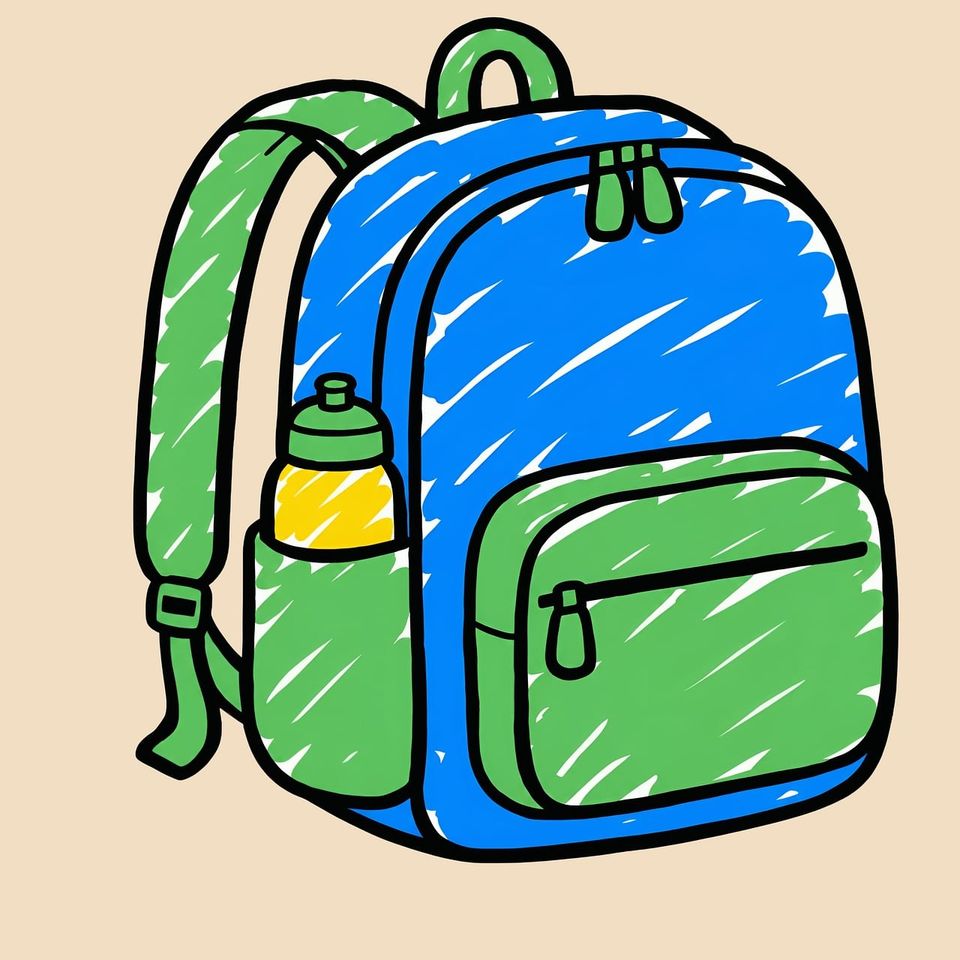
Ask where the bag will spend the shift. In a locker, you need a size that fits. On a chair behind a desk, you need something with a stable base. On the floor, you need a base that wipes clean.
- Locker bag: check the locker size first. A bag that does not fit gets left in the car.
- Shared space bag: choose a plain one you can spot from a distance. Many look the same.
- Wipeable fabric: smooth coated fabric cleans in a pass. Canvas soaks things up.
Ruling: buy the bag that fits your locker, not the one that looks best on the shelf.
Food and drink
Eat what you can eat in five minutes standing up. A cold meal needs an insulated lunch bag and a place to keep it. If there is a staff fridge, use it. Ask what the rule is on storing food, because many wards have one.
Drink water at set times, not when you remember. Some people tie a sip to each time they wash their hands. It works because it is already a habit.
Ruling: pack for the break you actually get, not the one on the roster.
The pocket kit
Keep a tiny pouch with the things that go missing: a spare pen, a small tape roll, hand cream and a clip. Move it from bag to scrubs pocket if your uniform allows. It is easier to lose a bag than a pocket pouch.
Bag hygiene
A bag that travels from the ward to the car to the sofa carries everything with it. Wipe the base each week with a cleaning wipe the maker allows for that fabric. Wash it if the label says it can be washed. Keep it off the floor of the bay where you can. Ask your unit if there is a rule about bags on the clinical floor.
Dirty shoes go in a separate bag, not in with your lunch. A spare plastic bag is almost free and works every time.
Ruling: if you cannot wipe it, do not put it near the floor.

Common mistakes
- Packing for every case. One bag for one shift. Anything else lives in the locker.
- Choosing a bag by looks. A bag you cannot wipe becomes a problem by week three.
- Forgetting the commute. A heavy bag on a long walk costs your shoulders before the shift even starts.
What to leave at home
- Anything valuable you would be upset to lose. Lockers are not always safe.
- A thick book or a laptop unless your role needs it.
- Spare uniforms unless your workplace asks you to carry one.
Footwear in the bag
Some people keep a second pair of shoes at work so they can swap at the door. Our guide to shoes for 12-hour shifts covers what to look for, and our note on when to replace nursing shoes helps you decide when the old pair should retire from the bag.
A simple Sunday reset
Spend five minutes on your day off. Empty the bag, throw out wrappers, wash the bottle and restock socks and cream. Put the bag where you will see it on your way out. A bag that is ready saves you the worst part of a 6 am start, which is the search for the thing that was in your other bag.
End of shift
- First to go: zip pulls and the base seam.
- Friday check: empty it. Anything you did not touch all week comes out.
- Wipe: the base and the strap that touches your shoulder.
Quick questions
What size bag do nurses usually carry?
Small to medium is common. The right size is the one that fits your locker and holds your socks, food and bottle.
Can I bring a backpack onto the ward?
That depends on your unit. Ask your manager or infection control team.
Is a tote or a backpack better for a 12-hour shift?
A backpack spreads weight over both shoulders. A tote is quicker to wipe and grab. If you carry a heavy load on the commute, a backpack is kinder to your shoulders.
How often should I clean my work bag?
Wipe the base weekly, or after anything spills. Follow the care label.
More to read
Keep reading

When to replace nursing shoes: signs the foam is gone
Wondering when to replace nursing shoes? Look at the heel wear, the foam and how your feet feel by hour six. Here are the checks that take a minute.
Samir Ouali2 min read
Compression socks for long shifts: who they suit
Compression socks can ease tired legs on a long shift, but not everyone should wear them. Here is how to decide, size and check with a clinician.
Samir Ouali4 min read
Clogs vs sneakers for nurses: which suits a 12-hour shift
Clogs vs sneakers for nurses comes down to floors, fluids and feet. Here is a plain way to pick, and when to ignore the rule and go with your feet.
Samir Ouali4 min read
What to look for in shoes for 12-hour shifts
A plain checklist for choosing shoes for 12-hour shifts: firm cushioning, a slip-resistant sole, a wipeable upper and a fit that allows for swelling.
Samir Ouali3 min read

What to pack for a night shift: food, bag and basics
What to pack for a night shift: food that lasts, water, a warm layer and a few small things for the 3 am dip. A plain list by hour and by need.
Margaux Dupont5 min read
How to clean a stethoscope between patients
How to clean a stethoscope: wipe the diaphragm and bell between patients with a wipe your workplace approves, and check the maker's care notes.
Samir Ouali3 min read