
What to pack for a night shift: food, bag and basics
What to pack for a night shift: food that lasts, water, a warm layer and a few small things for the 3 am dip. A plain list by hour and by need.
Margaux Dupont5 min read

For a night shift, pack as if you cannot leave the building: a real meal, plenty of water, a warm layer, dry socks and what you need to sleep after. Everything else is optional. The hardest hour is usually the middle of the night, so plan for it.
The night pack by hour
| When | What helps | What tends to fail |
|---|---|---|
| Start of shift | Water, a small snack | Skipping food because you just woke up |
| Mid-shift break | A real meal you can eat in 20 minutes | Vending machine only |
| The 3 am dip | Water, something with protein, a walk | Another coffee |
| End of shift | Light snack, sleep gear | Heavy meal right before bed |
Food: eat a real meal
Night break rooms are often empty and the canteen may be closed. If you rely on a machine, you will eat sugar and crisps. In general, a meal with protein, some fibre and something warm or filling keeps you steadier than snacks.
- Pack the meal in a leakproof container.
- Use a cold pack if there is no fridge you trust.
- Keep one dry snack in the bag for the days you cannot take a break.
Ruling: pack a full meal plus one backup snack. A snack alone will not get you to morning.
Drinks: water first, caffeine early
Caffeine can help at the start of a night, but a lot of it late can make sleep harder after you finish. Many people find it works best to have it in the first half of the shift and then switch to water. Individual needs differ, so listen to your own body, and ask a clinician if you have a health condition that affects caffeine.
Ruling: take a big bottle of water you can refill. Aim to sip often rather than drink it all at once.
Warmth: bring a layer
Wards and break rooms can feel cold at 3 am, and your body temperature tends to drop at night. A zip fleece or cardigan that meets your dress code is enough. Spare socks help, too. Cold feet make a long shift feel longer.
The small stuff
- Phone charger and a power bank. Outlets near the break room are not always free.
- Hand cream. Constant hand washing dries skin out.
- A notebook or a pen. Easy to run out.
- A comfortable pair of shoes. If your feet already ache, see shoes for 12-hour shifts.
For the full bag layout, read what to carry in a nurse bag. Night work adds food and warmth on top of that list.
Sleep after the shift
Sleep is the part gear can help with a little. In general, people who work nights do better with a dark, quiet room. An eye mask and foam earplugs are cheap. Blackout curtains help more. Official guidance on shift work and long hours, such as the NIOSH training for nurses, covers fatigue and what employers and workers can do about it.
If you feel very sleepy on the drive home, do not push on. Ask your employer about a ride or a rest spot. If you struggle with sleep for weeks, speak to your doctor.
A worked example
Say your shift runs 7 pm to 7 am. Here is one way to plan it, with round times. At 7 pm, drink water and eat a small snack. At 11 pm, have a real meal. At 3 am, walk for a few minutes, sip water and eat something with protein. At 6 am, stop caffeine and eat light. Your own pattern will differ, and your ward's break times decide most of it.

Packing the bag the night before
Pack when you are not rushed. Put the food in the fridge, the bottle in the bag and the charger on top. If you pack at 6 pm after waking, you will forget something. A short list on the inside of the cupboard door helps.
What goes wrong
- Packing a big lunch and forgetting it in the car.
- Eating a heavy meal at 5 am, then trying to sleep.
- Wearing the same thin socks all night.
- Bringing too much. A bag that is heavy at 7 am is worse at 7 pm.
Getting home safely
Tiredness after a night shift can be dangerous on the road. Plan for it: a ride, public transport, or a short rest before you drive if your employer allows it. Keep water in the car and a spare layer. Guidance from official health and safety bodies covers fatigue, and your employer should be able to tell you their policy.
End of shift
- First to go: the lunch bag zip and the seal on the water bottle.
- Check on Friday: the bag for old food smells and crumbs.
- Do tonight: wash the containers and refill the bottle before you sleep, so the pack is ready.
Quick questions
What should I eat on a night shift?
A real meal with protein and something filling, plus a dry snack. Avoid relying on vending machines.
Is coffee fine on a night shift?
A little early in the shift suits many people. A lot late can make sleep harder afterwards.
What do I need for sleeping after a night shift?
A dark, quiet room helps most. An eye mask and earplugs are an easy start.
Should I bring a jacket?
Yes, if your dress code allows it. Night wards often run cold.
More to read
Keep reading
When to replace nursing shoes: signs the foam is gone
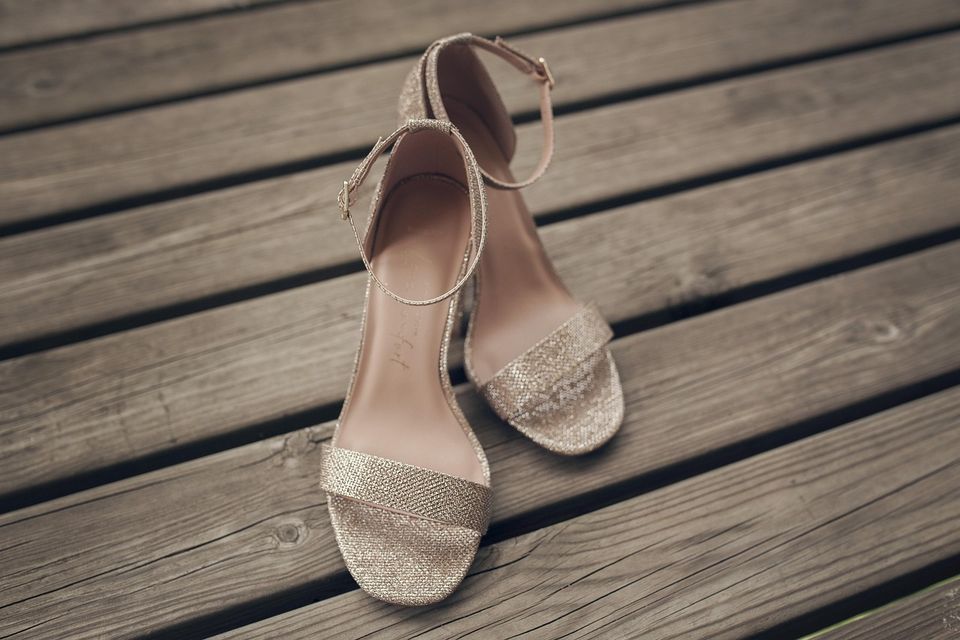
Wondering when to replace nursing shoes? Look at the heel wear, the foam and how your feet feel by hour six. Here are the checks that take a minute.
Samir Ouali2 min read
Compression socks for long shifts: who they suit
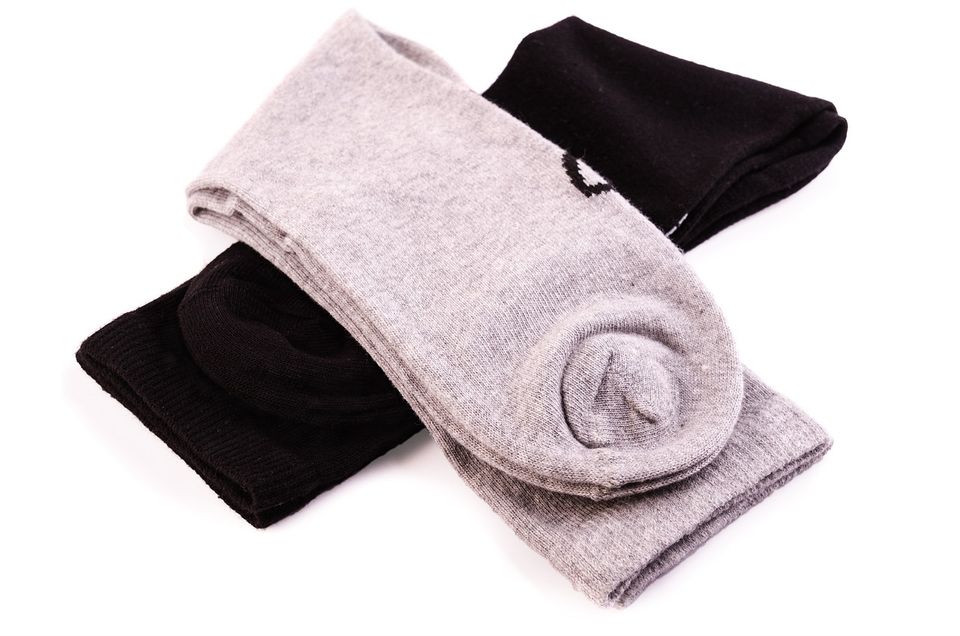
Compression socks can ease tired legs on a long shift, but not everyone should wear them. Here is how to decide, size and check with a clinician.
Samir Ouali4 min read
What to carry in a nurse bag for a 12-hour shift
A short list of what to carry in a nurse bag for a 12-hour shift, what to leave at home, and how to keep the bag clean and off the floor.
Samir Ouali5 min read
Clogs vs sneakers for nurses: which suits a 12-hour shift
Clogs vs sneakers for nurses comes down to floors, fluids and feet. Here is a plain way to pick, and when to ignore the rule and go with your feet.
Samir Ouali4 min read
What to look for in shoes for 12-hour shifts
A plain checklist for choosing shoes for 12-hour shifts: firm cushioning, a slip-resistant sole, a wipeable upper and a fit that allows for swelling.
Samir Ouali3 min read
How to clean a stethoscope between patients
How to clean a stethoscope: wipe the diaphragm and bell between patients with a wipe your workplace approves, and check the maker's care notes.
Samir Ouali3 min read