
Compression socks for long shifts: who they suit
Compression socks can ease tired legs on a long shift, but not everyone should wear them. Here is how to decide, size and check with a clinician.
Samir Ouali4 min read
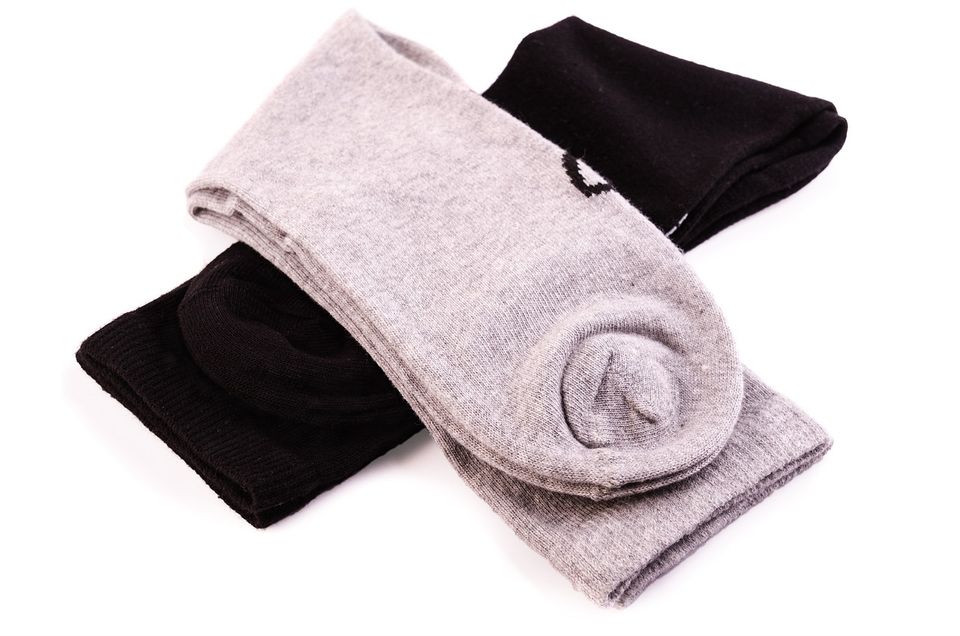
Heavy legs at hour six is a normal complaint for people who stand and walk all shift. Compression socks are the most common fix. They help some people, annoy others and are wrong for a few. Here is a way to decide without guessing.
The test before you buy
Ask three questions.
- Do your legs feel heavy or swollen late in the shift? Compression is aimed at that.
- Do you have a known circulation, nerve or skin condition, or diabetes? Talk to a clinician first. Compression is not right for everyone, and the wrong level can cause harm.
- Is your pain sharp, one-sided, red or warm? Do not self-treat. Get it checked promptly.
If the answer to the first is yes and the other two are no, a trial is reasonable.
Light, moderate or medical
Compression is measured in pressure ranges, and the labels vary by maker and country. In general, lighter ranges are sold over the counter for tired legs. Stronger ones are usually fitted by a professional for a medical reason. Do not step up the level on your own because it feels like more is better. A pharmacist or clinician can tell you what is right.
Sizing is the whole game
The most common failure is a wrong size. Too loose and they do nothing. Too tight and they dig in or bunch. Sizing is usually by ankle and calf measurement, and the maker's chart is the guide. Measure in the morning before the legs swell.
- Measure at the ankle and the widest part of the calf.
- Check the maker's size chart, not just the shoe size.
- Take the label seriously if it gives a different fit for different measurements.
Wearing them well
Put them on in the morning, ideally before your legs swell. Smooth out wrinkles, since a fold can press on the skin. Take them off if you notice numbness, tingling, colour change or pain, and ask a clinician.
Work with your shoes
Compression helps legs, not feet. If your feet hurt, your shoes are usually the issue. Our guide to shoes for 12-hour shifts covers cushioning, fit and when to replace them. A good shoe and a good sock together do more than either alone.
What nurses and other long-shift workers usually do
Across long-shift jobs, a pattern tends to show: a trial of one or two pairs, then a second pair so one can be washed, then a standing habit of changing socks mid-shift if they get damp. A dry sock is a small thing that people notice, and it is on the list in our nurse bag guide. Some workplaces have a policy on footwear and hosiery, so check yours.
How long they last
Elastic fades with washing and wear. Many people replace them after several months of regular use, and sooner if they stop feeling snug. Follow the washing instructions, because heat can damage the fibres.
What compression will not do
It will not fix flat shoes, a long stretch without moving or dehydration. It will not treat a medical problem. If your legs swell a lot or one leg swells more than the other, see a professional.
When to stop and ask
If a pair leaves deep marks that last long after you take them off, if your toes change colour or if you get any new pain, stop wearing them that day and ask a pharmacist or clinician. A good pair feels snug and supportive, not painful. Discomfort that you push through is a sign of the wrong size or the wrong level, not of the socks working.
End of shift
- First to go: the elastic at the top band and the heel and toe fabric.
- Check on Friday: whether the band marks your skin or the socks have lost their snug fit.
- Wash: by the label, and keep a second pair so one is always dry.
More to read
Keep reading

When to replace nursing shoes: signs the foam is gone
Wondering when to replace nursing shoes? Look at the heel wear, the foam and how your feet feel by hour six. Here are the checks that take a minute.
Samir Ouali2 min read

What to carry in a nurse bag for a 12-hour shift
A short list of what to carry in a nurse bag for a 12-hour shift, what to leave at home, and how to keep the bag clean and off the floor.
Samir Ouali5 min read

Clogs vs sneakers for nurses: which suits a 12-hour shift
Clogs vs sneakers for nurses comes down to floors, fluids and feet. Here is a plain way to pick, and when to ignore the rule and go with your feet.
Samir Ouali4 min read

What to look for in shoes for 12-hour shifts
A plain checklist for choosing shoes for 12-hour shifts: firm cushioning, a slip-resistant sole, a wipeable upper and a fit that allows for swelling.
Samir Ouali3 min read

What to pack for a night shift: food, bag and basics
What to pack for a night shift: food that lasts, water, a warm layer and a few small things for the 3 am dip. A plain list by hour and by need.
Margaux Dupont5 min read
How to clean a stethoscope between patients
How to clean a stethoscope: wipe the diaphragm and bell between patients with a wipe your workplace approves, and check the maker's care notes.
Samir Ouali3 min read