
Clogs vs sneakers for nurses: which suits a 12-hour shift
Clogs vs sneakers for nurses comes down to floors, fluids and feet. Here is a plain way to pick, and when to ignore the rule and go with your feet.
Samir Ouali4 min read
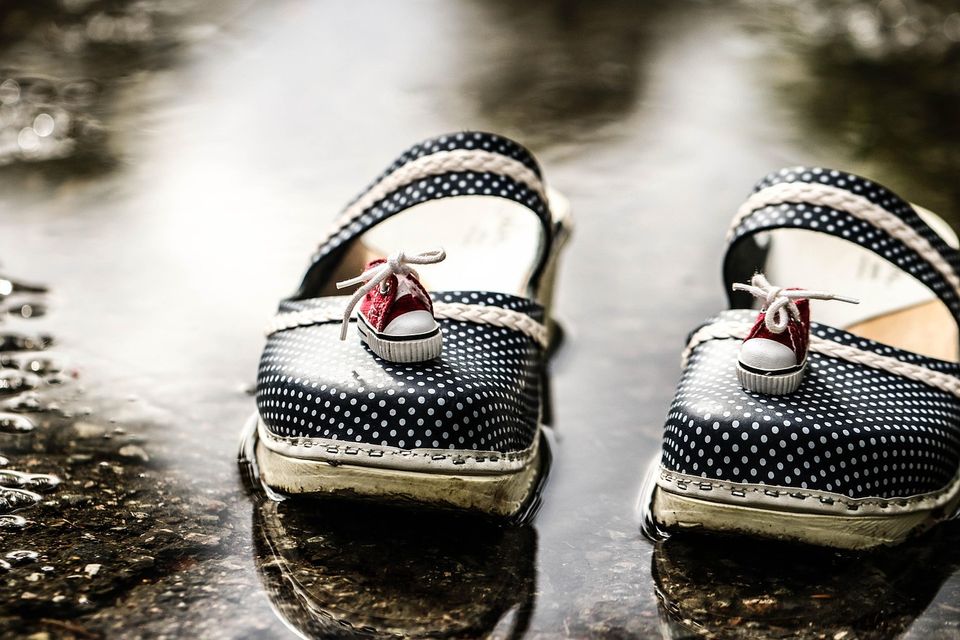
Verdict: clogs for wet, messy shifts. Sneakers for long walks and fast pace. Neither is better for every foot. Your unit decides first, your feet decide second.
If your hospital or clinic has a footwear rule, read it before you spend anything. Some units ban open-back shoes or certain materials. Ask your manager or the infection control team what is allowed.
Which wins on
| On shift | Clogs | Sneakers |
|---|---|---|
| Wiping off spills | Easy, smooth surface | Harder, laces and mesh trap fluid |
| Heel hold on long walks | Looser, heel can slip | Snugger with laces |
| Getting them on at 6 am | Fast | Slower |
| Breathing in a warm ward | Often less airflow | Often more airflow |
| Weight on your legs | Often heavier | Often lighter |
| Wide or high-volume feet | Often roomy | Depends on the last |
| What fails first | Heel strap and sole tread | Cushioning foam and mesh |
Pick clogs if
- Your shift has a lot of fluids, cleaning and quick changes.
- You like to slip your shoes off at the break room door.
- You have a wide forefoot and hate laces pressing on the top of your foot.
- Your unit allows them. Some require a back strap or a closed back.
Pick sneakers if
- You cover long distances between rooms or floors.
- Your heel slides in clogs and you grip with your toes to hold them on. That habit tires the foot.
- You want to adjust the fit as your feet swell during the day.
- You run for the call bell more than you stand still.
A worked example
Take two people, both on 12-hour shifts. One works on a surgical ward with wet floors and frequent spills. The other works in a large clinic and walks a long corridor all day. These are made-up examples. The first person is likely to prefer something wipe-clean. The second is likely to prefer something that stays snug at the heel. That is the pattern, not a promise.

Where the answer flips
If you pick clogs and your feet cramp from gripping, switch to a closed-back style or sneakers. If you pick sneakers and the laces press on the top of your foot, try a looser lacing or a different shoe. Either way, the sole should be marked slip-resistant, and the fit checks in our guide to shoes for 12-hour shifts apply to both.
Rule: the shoe you forget you are wearing at hour ten is the right one.
Common mistakes
- Buying a size down for a snug look. Feet swell over a shift. Try shoes late in the day.
- Keeping clogs that slip. If your heel lifts at every step, your toes are doing the work.
- Wearing the same pair every shift. A second pair gives the foam time to recover.
- Ignoring the sole. Both types should have a slip-resistant sole made for wet floors.
Caution
Pain that does not ease after a rest day, numb toes, or a sharp ache in the heel is not a shoe-shopping problem. See a podiatrist or your doctor. Do not buy a third pair hoping it fixes it.
End of shift
- First to go on clogs: the heel strap and the tread.
- First to go on sneakers: the foam under the heel.
- Friday check: look at the sole from behind. If it tilts, replace them.
Quick questions
Are clogs bad for your feet?
Not by themselves. A loose heel that makes you grip with your toes is the usual complaint. If that happens, try a snugger style.
Can I wear sneakers with mesh in a hospital?
Often not on wet or messy units, because mesh soaks up fluid. Ask your unit what is allowed.
Should I wear compression socks with either?
Many people do. Our compression socks guide covers who they suit and when to ask a clinician first.
More to read
Keep reading

When to replace nursing shoes: signs the foam is gone
Wondering when to replace nursing shoes? Look at the heel wear, the foam and how your feet feel by hour six. Here are the checks that take a minute.
Samir Ouali2 min read
Compression socks for long shifts: who they suit
Compression socks can ease tired legs on a long shift, but not everyone should wear them. Here is how to decide, size and check with a clinician.
Samir Ouali4 min read

What to carry in a nurse bag for a 12-hour shift
A short list of what to carry in a nurse bag for a 12-hour shift, what to leave at home, and how to keep the bag clean and off the floor.
Samir Ouali5 min read
What to look for in shoes for 12-hour shifts
A plain checklist for choosing shoes for 12-hour shifts: firm cushioning, a slip-resistant sole, a wipeable upper and a fit that allows for swelling.
Samir Ouali3 min read

What to pack for a night shift: food, bag and basics
What to pack for a night shift: food that lasts, water, a warm layer and a few small things for the 3 am dip. A plain list by hour and by need.
Margaux Dupont5 min read
How to clean a stethoscope between patients
How to clean a stethoscope: wipe the diaphragm and bell between patients with a wipe your workplace approves, and check the maker's care notes.
Samir Ouali3 min read