
Nurse shoes vs running shoes: what suits a hospital floor
Nurse shoes vs running shoes: running shoes cushion well but often grip and wipe clean badly. Here is how to choose for a long hospital shift.
Samir Ouali4 min read
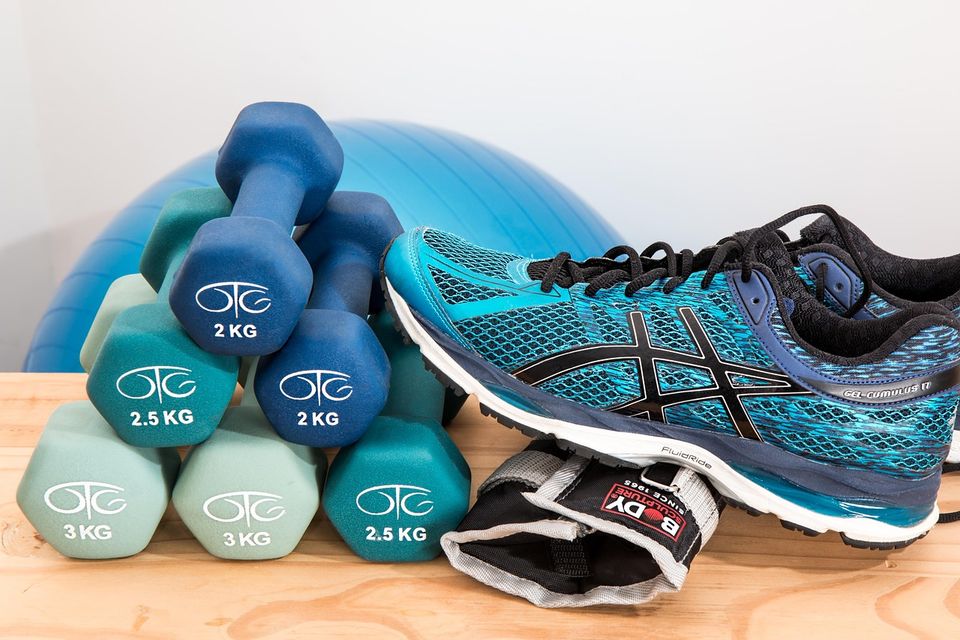
Verdict: nurse shoes win for most wards, because the sole grips wet floors and the upper wipes clean. A running shoe can win on comfort, but only when it also has a slip-resistant sole and your employer says yes.
Running shoes are built for one thing: moving forward on a dry road. A ward asks for more. You turn, stop, step in spills and stand still for long stretches.
Which wins on
| What matters on shift | Nurse shoes | Running shoes |
|---|---|---|
| Grip on wet floors | Usually made for it, check the label | Often not rated for it |
| Wipe clean | Smooth upper, easy | Mesh soaks up spills |
| Cushioning | Firmer, varies a lot | Often softer, wears out sooner |
| Standing still | Stable base | Can feel squishy after hour six |
| Dress code | Usually fine | May be banned (bright colours, mesh) |
| Weight | Can be heavier | Typically lighter |
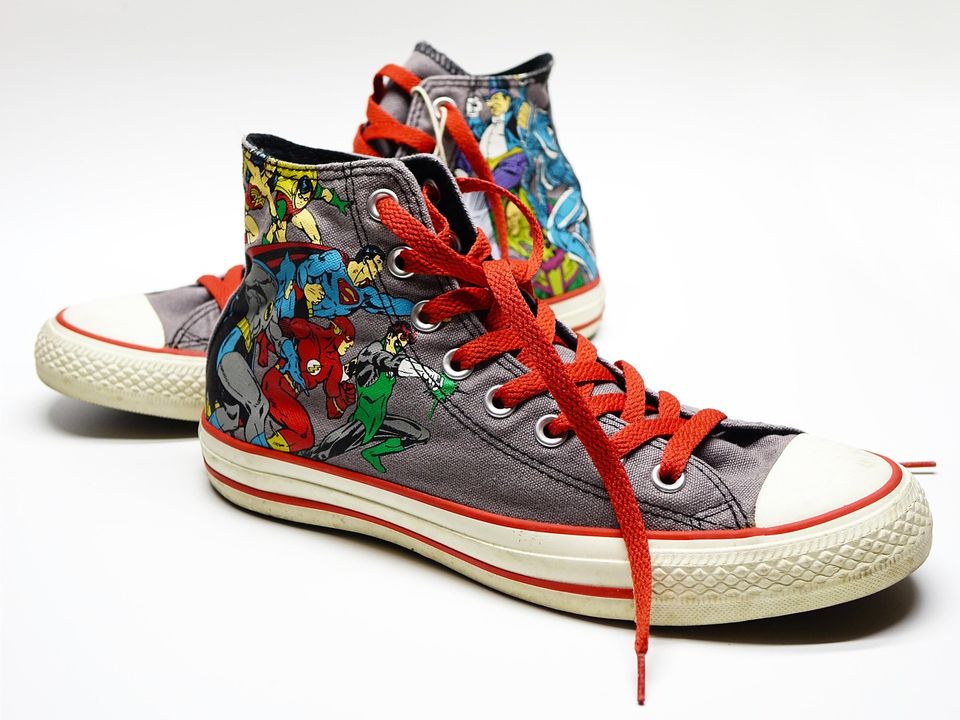
Pick nurse shoes if
- Your floors get wet, or you work near fluids.
- Your workplace has a footwear rule. Check it before you buy anything.
- You want one pair that you can wipe down at the end of the shift.
- You stand more than you walk.
Pick running shoes if
- Your ward is dry and you walk long corridors all day.
- The sole is marked slip-resistant and your employer allows it.
- You have a second pair to swap in, so the foam can recover.
- Your feet hurt in firm work shoes and a softer ride helps.
The rule that matters most
Grip and fit come before softness. A soft shoe on a slick floor is a fall waiting to happen, and a tight shoe at hour ten is a bad night. If a running shoe has a slip-resistant sole, a closed top and room for swollen feet, it can work. If not, skip it.
A worked example
Say you walk about 10 hours of a 12-hour shift on a dry surgical floor. A cushioned, slip-resistant sneaker may feel better than a stiff clog. Now say you work in an emergency department with spills every hour. A sealed, wipeable shoe makes more sense, even if it is a bit firmer. Same person, different floor, different answer.
Common mistakes
- Buying on how the shoe feels for five minutes in the shop. Try them late in the day, in your work socks.
- Wearing worn-out running shoes at work because they are comfortable. The foam is usually gone. Our note on when to replace nursing shoes shows what to check.
- Ignoring the dress code until the first day.
A caution
If you have foot pain that does not ease with rest, or you have a medical condition that affects your feet, ask a doctor or podiatrist before changing shoes. For a broader checklist, see what to look for in shoes for 12-hour shifts, and for the open or closed question see clogs vs sneakers for nurses.
When to try a mix
Some nurses wear nurse shoes in wet areas and a cushioned sneaker in dry ones, if their employer allows both. It costs more than one pair, but it spreads the wear. Check the rules before you try.
End of shift
- First to go: running shoe foam, often within months of daily wear on hard floors.
- Check on Friday: the tread for smooth patches and the upper for fluid stains.
- Swap: keep two pairs and alternate days.
Quick questions
Can I wear running shoes as a nurse?
Sometimes. Check your employer's footwear rule first, and look for a slip-resistant sole and a closed upper.
Are nurse shoes always better for your feet?
No. They suit wet and messy work, but fit and support matter more than the label.
How do I know a sole is slip-resistant?
The maker usually says so on the label or product page. Your workplace may name a standard it wants.
Should I buy two pairs?
In general, yes. Rotating pairs lets the foam recover and often makes both last longer.
More to read
Keep reading

When to replace nursing shoes: signs the foam is gone
Wondering when to replace nursing shoes? Look at the heel wear, the foam and how your feet feel by hour six. Here are the checks that take a minute.
Samir Ouali2 min read
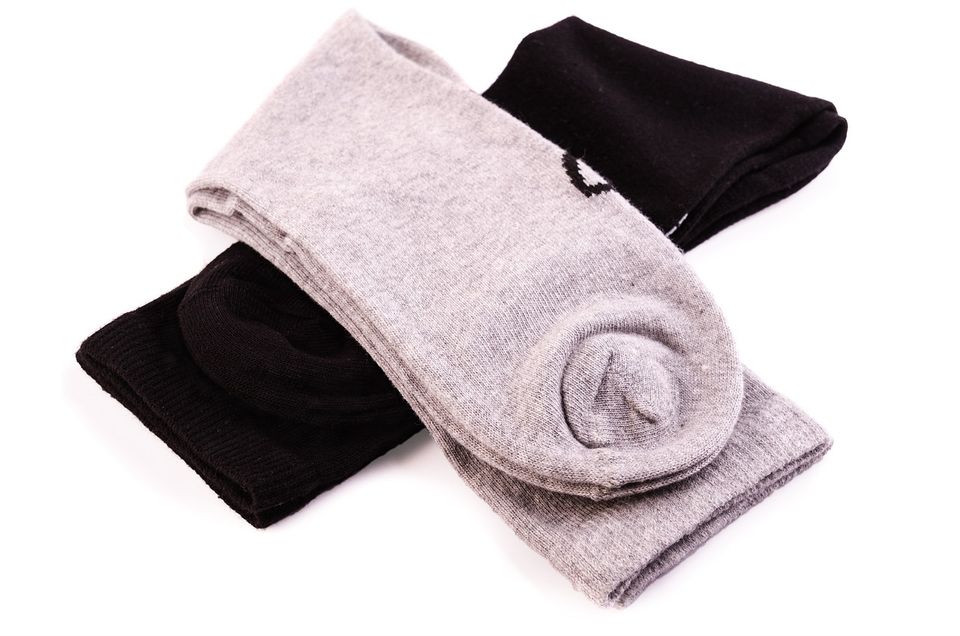
Compression socks for long shifts: who they suit
Compression socks can ease tired legs on a long shift, but not everyone should wear them. Here is how to decide, size and check with a clinician.
Samir Ouali4 min read

What to carry in a nurse bag for a 12-hour shift
A short list of what to carry in a nurse bag for a 12-hour shift, what to leave at home, and how to keep the bag clean and off the floor.
Samir Ouali5 min read
Clogs vs sneakers for nurses: which suits a 12-hour shift
Clogs vs sneakers for nurses comes down to floors, fluids and feet. Here is a plain way to pick, and when to ignore the rule and go with your feet.
Samir Ouali4 min read
What to look for in shoes for 12-hour shifts
A plain checklist for choosing shoes for 12-hour shifts: firm cushioning, a slip-resistant sole, a wipeable upper and a fit that allows for swelling.
Samir Ouali3 min read

What to pack for a night shift: food, bag and basics
What to pack for a night shift: food that lasts, water, a warm layer and a few small things for the 3 am dip. A plain list by hour and by need.
Margaux Dupont5 min read