
Is a standing desk worth it for working from home
Is a standing desk worth it? It helps if you will actually switch between sitting and standing. Here is a plain way to decide, and what to try for free first.
Samir Ouali5 min read
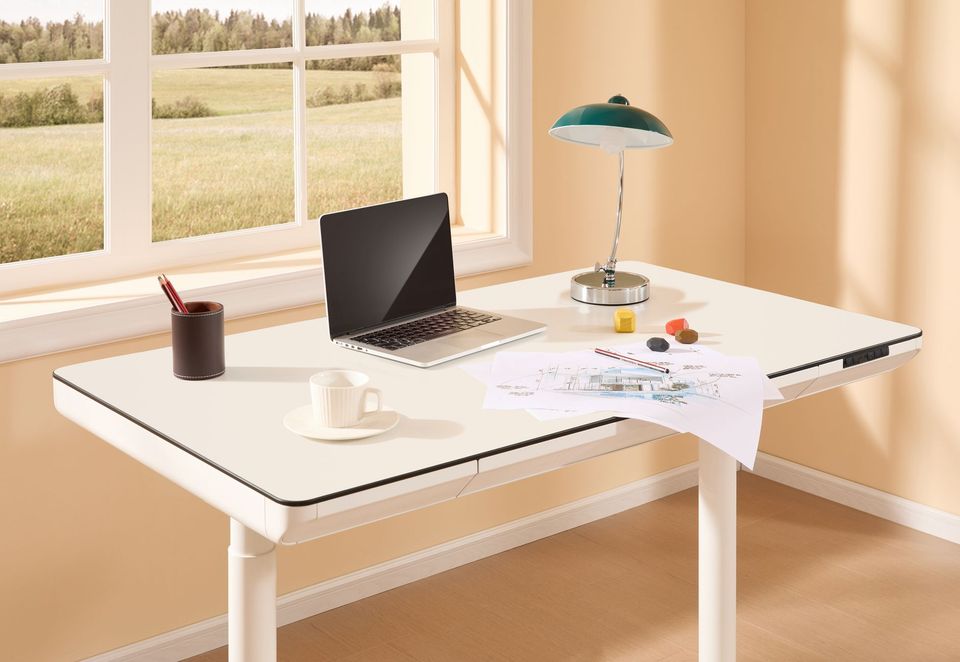
A standing desk is worth buying if you will switch between sitting and standing most days. If you will mostly sit anyway, it is an expensive table. Test the idea with a stack of boxes for two weeks first. Then decide.
The decision rule
Ask three questions:
- Do you get stiff or tired from sitting for long stretches?
- Will you really change position, even every hour or two?
- Is your chair, screen and keyboard already set up right?
If the answers are yes, yes, yes, a sit-stand desk makes sense. If the third is no, fix that first. Our guide to fixing your home desk in this order covers it.
What standing does, and does not do
Standing is not a cure. General guidance from workplace health bodies, such as NIOSH, points to a mix of positions and movement as better than staying fixed in any one. Standing all day can cause its own aches, in the feet, knees and lower back.
So the aim is variety. Sit, stand, walk. A desk that allows both gives you the choice. It does not make the choice for you.

Option 1: try it for free
Before you spend, raise a laptop on boxes or a shelf for a few hours. Add a separate keyboard so the screen can be at eye level and your hands can sit lower. After a week or two you will know if you like it.
Ruling: if you drop the box idea after three days, a desk will not fix that.
Option 2: a desktop converter
A sit-stand converter sits on your existing desk and lifts the screen and keyboard. It costs less than a full desk and is easy to try. Check that it fits your monitor and that the keyboard tray is deep enough. It does take up some space and can wobble when typing hard.
Ruling: good for renters and small spaces.
Option 3: a full height-adjustable desk
A full desk is stable and clean-looking. Many are electric, with memory buttons. They are a bigger buy and bulky to move. Check the weight limit and the lowest and highest heights against your body.
Ruling: worth it if your desk is your main workplace and you change position daily.
Footwear and mats
If you stand for long, a floor mat can reduce tired feet. It is a small gain, not a fix. The same trade-off is in insoles vs an anti-fatigue mat, written for teachers but useful at a desk too. Keep your shoes on or wear supportive socks, and avoid standing on bare hard floors for hours.
A worked example
Say you work eight hours at your desk. These round numbers are for illustration only. A simple pattern many people try is to sit for about 45 minutes, then stand for 15, and repeat. That gives roughly two hours of standing in the day, spread out. It is easy to keep because it ties to a clock or a call, not a decision.

Who gets the most from one
People who feel stiff after long sitting, who take many calls (standing for calls is easy) and who have room for a desk that moves. Who gets the least? Anyone who will leave it in one position, or who has no stable surface to put it on.
Common mistakes
- Standing for too long at first. Start with 15 to 30 minutes and build up.
- Leaving the screen too low once standing. Re-check the height each time.
- Locking your knees. Shift weight and bend them now and then.
- Never changing position. A stand desk that stays down is a table.
When to ask a professional
If you have back, hip, leg or circulation problems, ask a doctor or physiotherapist before changing how you sit or stand. Pain that persists is a reason to book an appointment, not to try another gadget.
What it costs you besides money
A desk that moves needs space around it. Check the wall, the chair arms and any cables before you raise it. A standing desk may also change how you hold your arms, so recheck your keyboard height each time. If you share the room, think about noise from the motor and who else may bump the controls.
A short test helps. For two weeks, stand for one call a day and note how your back and feet feel. If you do not miss it when you stop, you have your answer.
A simple trial plan
Week one: stand for one call a day. Week two: stand for the first hour after lunch. Note how your feet, back and focus feel. If it helps, keep the habit and look at a desk or converter. If it does not, you saved the money and still learned something about how you work.
End of shift
- First to go: the cable management and the motor on cheaper desks.
- Check on Friday: how many hours you really stood.
- Do tonight: lower the desk so it does not catch the chair in the morning.
Quick questions
Is a standing desk good for your back?
It can help if it makes you move more. Standing still for hours can cause its own aches, so mix positions.
How long should I stand each day?
There is no single number. Many people start with short periods and build up. Ask a clinician if you have a health issue.
Can I get the benefit without buying a desk?
Often, yes. A counter, a shelf or a stack of boxes can do the job for a trial.
Do I need a mat?
Not always. If your feet ache when standing, a mat or supportive shoes may help.
More to read
Keep reading
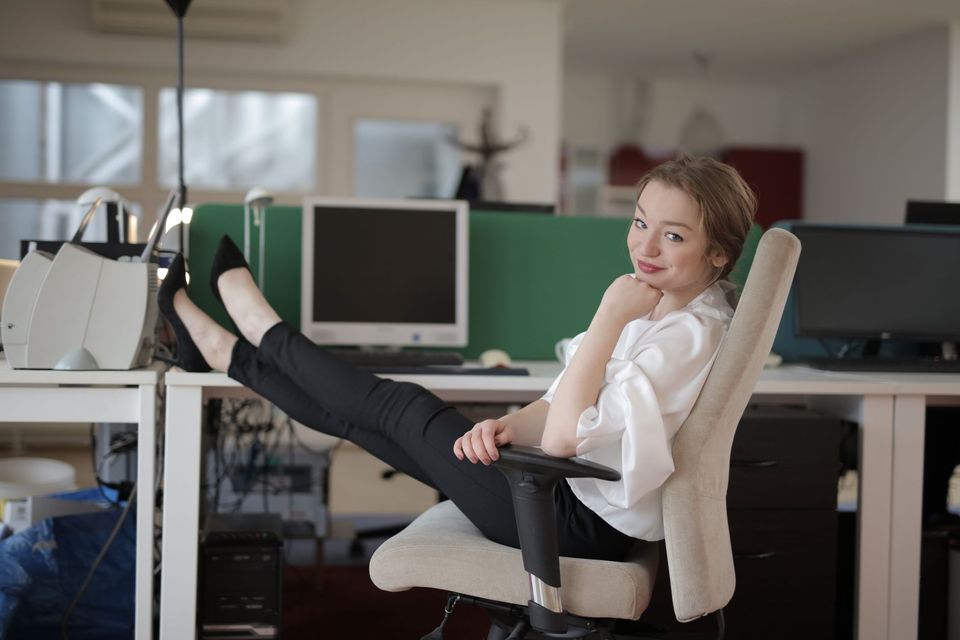
Do you need a footrest at your desk? A quick test
Do you need a footrest at your desk? Yes if your feet do not rest flat on the floor. A quick test and a free fix using a box or a stack of books.
Margaux Dupont3 min read

Fix your home desk in this order
Most home desks fail at the chair, screen height and keyboard position. Here is the order to fix them in, with checks that cost nothing.
Margaux Dupont4 min read
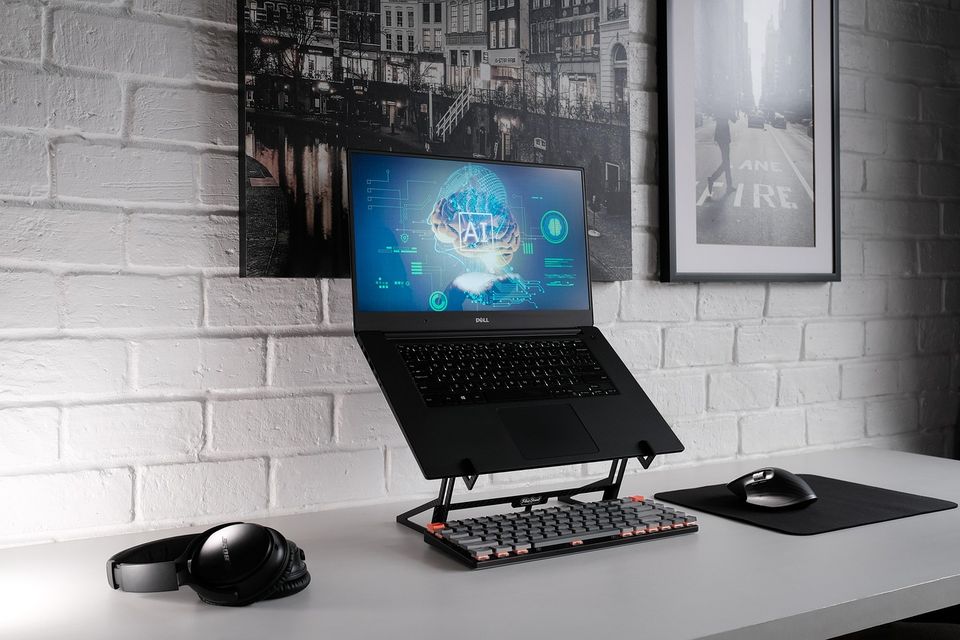
Laptop stand vs monitor arm: which fixes your screen height
Laptop stand vs monitor arm: both raise your screen to eye level, but they suit different desks. Here is how to pick without buying twice.
Margaux Dupont4 min read
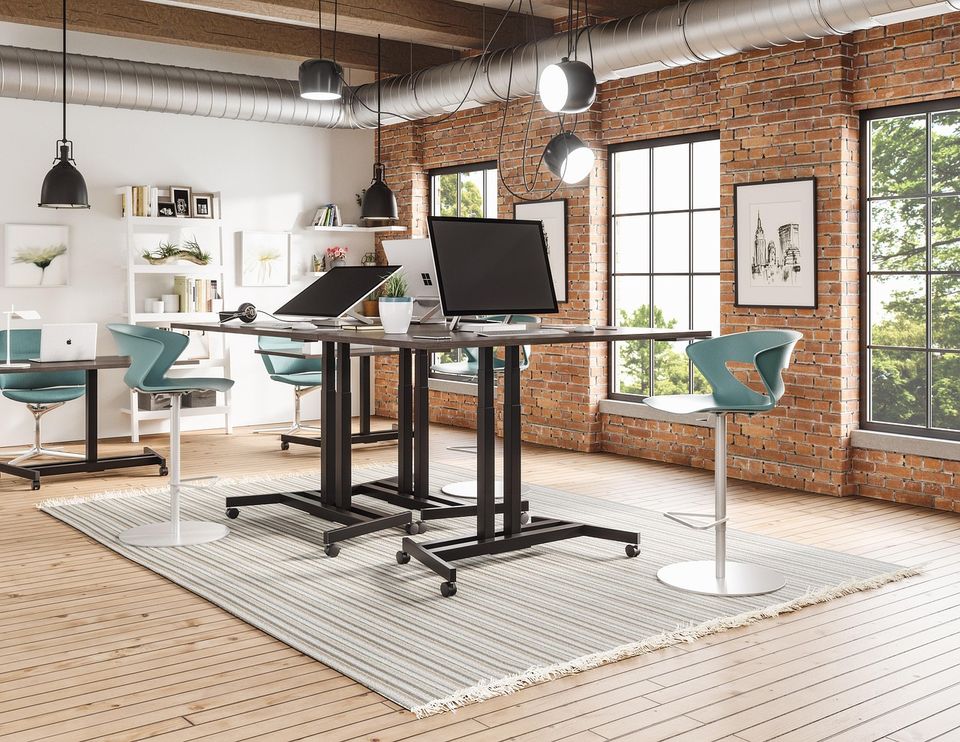
Office chair vs gaming chair for working from home
Office chair vs gaming chair for working from home: adjustability matters more than looks. Here is how to choose for an eight-hour day at a desk.
Margaux Dupont4 min read
How high should your monitor be? A quick check
How high should your monitor be? The top of the screen should sit at or just below eye level, about an arm's length away. Here is a quick check.
Margaux Dupont2 min read
Noise cancelling headphones vs earbuds for a home office
Noise cancelling headphones vs earbuds for a home office: comfort over eight hours, mic quality and who is in the house decide it. Here is how to pick.
Margaux Dupont4 min read