
Insoles vs anti-fatigue mat for teachers who stand all day
Insoles vs anti-fatigue mat for teachers: one goes where you go, the other covers one spot. Here is how to choose for a classroom with hard floors.
Margaux Dupont4 min read
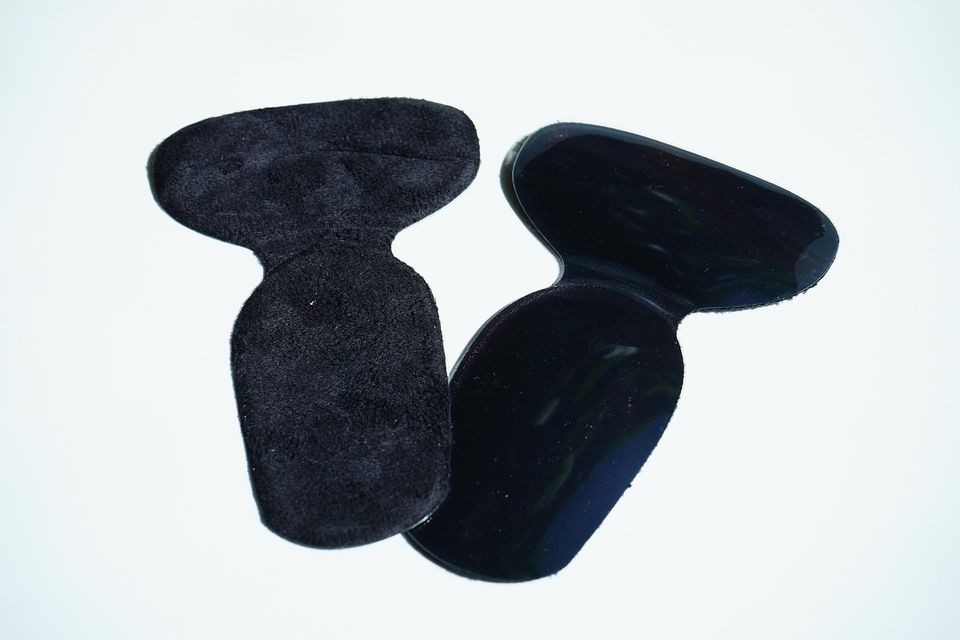
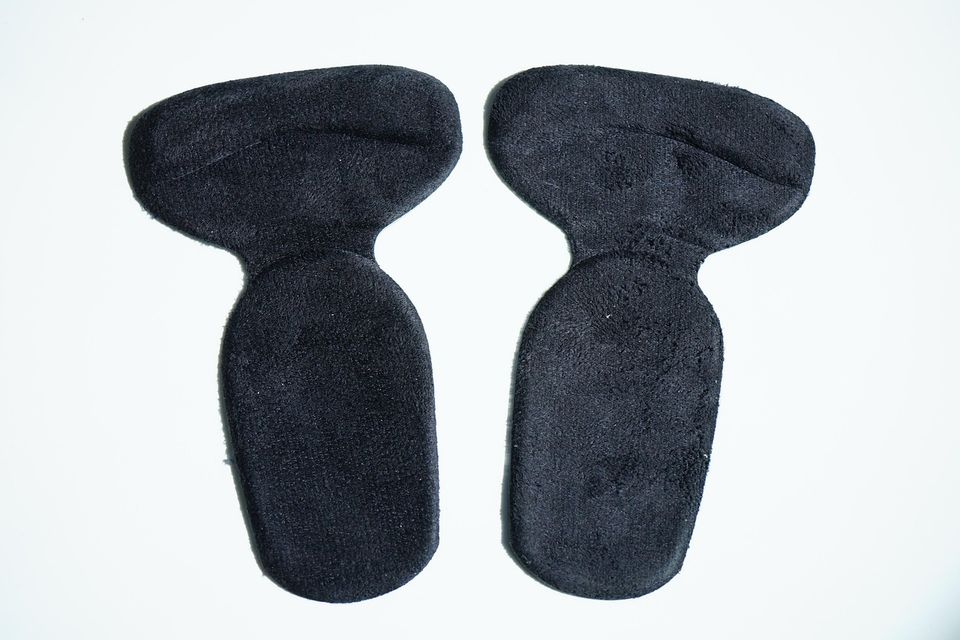
Verdict: insoles for most teachers, because teachers move. A mat is a good extra if you teach from one spot, such as a lab bench or a board.
Neither one fixes bad shoes. If your shoes are flat inside, replace them before you spend on anything else. Our shoe guide for long shifts covers the checks.
Which wins on
| In a classroom | Insoles | Anti-fatigue mat |
|---|---|---|
| Moving around the room | Works everywhere | Only on the mat |
| Standing at one spot | Works | Works well |
| Trip risk | None | Edges can catch a foot |
| School approval | None needed | Ask first |
| Fits in a bag | Yes | No |
| What fails first | The foam flattens | Edges curl and corners lift |
Pick insoles if
- You walk between desks, the board and the door.
- You teach in several rooms.
- Your shoes are fine except for thin cushioning.
- You do not want to ask anyone for permission.
Pick a mat if
- You stand in one place for long stretches.
- You have a lab, a workshop or a front desk.
- The floor is very hard and your school allows a mat.
- You are fine with something that stays in the room.
A worked example
Say you teach six lessons, three in your own room and three in others. A mat in your room helps for half the day and does nothing in the other half. An insole works in all six. That is a made-up example, but it shows why insoles win for most.
Where the answer flips
Teaching from a stool or desk with a footrest? You need neither. Standing at a fixed bench all day? A mat wins. If your feet hurt even with good shoes and a good insole, see a podiatrist rather than adding more padding.
Rule: match the fix to how far you walk.
Caution
A mat is a trip hazard. Check that the edges lie flat and keep cables off it. Your school may have a rule on floor items in classrooms. Ask your site manager.
Common mistakes
- Stacking insoles on flat shoes. If the shoe is worn out, the insole cannot fix it.
- Buying a mat that is too thin or too slick. It should not slide or curl.
- Wearing new insoles all day on day one. Wear them for an hour or two, then build up.
- Ignoring the shoe's fit. An insole that crowds the toes is worse than none.
If your feet still hurt after a shoe and insole change, ask a podiatrist. Our guide on what to carry in a teacher's bag also covers the load you carry on the way in, which matters to feet and backs.
Price tiers in plain words
Basic foam insoles ($) flatten quickly. Mid-range insoles ($$) hold their shape longer. Mats come in the same tiers, and the thin ones curl at the edges first. For a hard classroom floor, mid-range is the sensible stop.
End of shift
- First to go: the foam under the heel on insoles, curled corners on mats.
- Friday check: press a thumb into the insole. If it stays dented, replace it.
- Keep: a spare pair of insoles in your drawer for shoe swaps.
Quick questions
Do insoles fit in every shoe?
Not always. Take the shoe's own insole out first so the new one has room. If the shoe feels tight afterward, try a thinner insole.
How long does an insole last?
Many people replace them when they feel flat, often after several months of daily use. The maker may give guidance.
Can I use a mat at my desk and walk the rest of the day?
Yes. Use the mat for the time you stand and wear insoles for the rest.
More to read
Keep reading
How to stop losing your voice when teaching
Losing your voice from teaching all day is common. Here is how to stop it with water, rest and simple habits, and when to see a doctor about it.
Margaux Dupont2 min read
Stop buying classroom decor. Buy these three things first.
An opinion for teachers: spend on your feet, your voice and your water before posters and bins. The room can wait, but you cannot, so start there.
Samir Ouali2 min read

Best bag for teachers carrying marking and a laptop
The best bag for teachers carrying marking is a backpack or a bag with a stiff back, a laptop sleeve and a base that stands up. Here is how to choose.
Margaux Dupont6 min read
What to keep in a teacher desk drawer for a bad day
What to keep in a teacher desk drawer: a short list of small items that fix the usual problems, from a dead phone to a missing marker, without clutter.
Margaux Dupont5 min read

Laminator vs sheet protectors for teachers
Laminator vs sheet protectors for teachers: one makes sturdy resources that last years, the other is quick and reusable. Here is how to choose for your room.
Samir Ouali4 min read
Best water bottle for teachers who talk all day
The best water bottle for teachers is large, spill-proof and easy to refill. Here is how to choose one that you will actually drink from between lessons.
Margaux Dupont2 min read