
Ear plugs vs earmuffs for loud work: how to choose
Ear plugs vs earmuffs for loud work: plugs are small and fit under other gear, muffs are quick to use. Here is how to choose and when to ask a safety officer.
Margaux Dupont4 min read

Verdict: there is no single winner. The best hearing protection is the one rated for your noise level and worn correctly for the whole exposure. Plugs are small and fit under other gear. Muffs are quick and easy to get right. Your safety officer sets the rating you need.
Noise at work can damage hearing over time, and the damage is permanent. The US NIOSH noise pages explain the basics and point to ways to reduce risk. Your employer is responsible for a hearing plan, so ask about yours.
Which wins on
| What matters | Ear plugs | Earmuffs |
|---|---|---|
| Getting the fit right | Needs practice, easy to get wrong | Easier to get right |
| Comfort in heat | Cooler | Can be hot and sweaty |
| Under a helmet or glasses | Easy | Can break the seal |
| On and off quickly | Slower | Quick |
| Visibility | Hard to see, a supervisor may not know | Easy to see |
| Lost or dropped | Easy to lose | Harder to lose |
| Cleanliness | Foam is single-use, reusable need washing | Wipe the cushions |
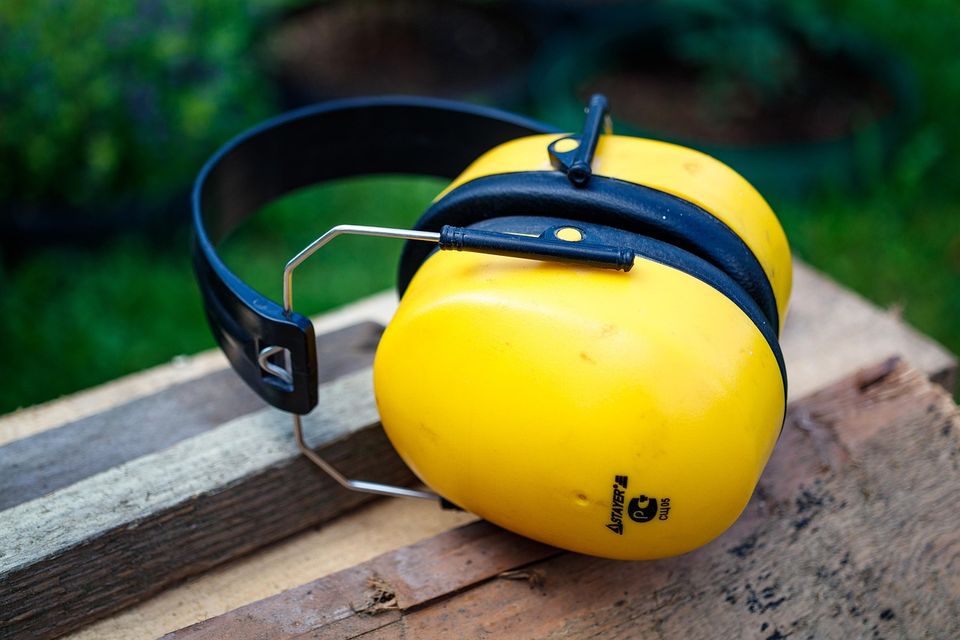
Pick ear plugs if
- You wear a helmet, glasses or a hood that makes muffs hard to seal.
- The work is hot and tight.
- You need to wear protection for a long time, and muffs make you sweat.
- You are happy to learn the fit.
Pick earmuffs if
- You take protection on and off many times a shift.
- You want a quick check that someone is wearing them.
- You have trouble getting a plug in right.
- The noise is intermittent, such as occasional machinery.
The rule that matters most
Wear them for the whole time the noise is on. A rating means little if you take them off for a minute. A poor fit can cut the protection a lot. Read the maker's instructions and ask your safety officer to check the fit.
Common mistakes
- Not rolling the foam plug fully and pushing it in too short.
- Wearing muffs over a hat or hair that breaks the seal.
- Using damaged or dirty protection.
- Doubling up without guidance. Some jobs need plugs plus muffs, so ask.
- Taking them off to talk, then back on, many times a shift.
Medical note
If you hear ringing, muffled sound or a drop in hearing after work, see a doctor or audiologist. Do not wait for it to pass. Your employer may also offer hearing tests.
What people on loud jobs usually carry
A spare pair of plugs on a cord, a case that clips on the belt and a pair of muffs in the locker. The case matters more than it sounds, since plugs fall out of pockets. For other protective kit, see work gloves for warehouse jobs.
A worked example
Say you work a shift near a loud conveyor and a forklift, and you also wear safety glasses and a helmet. Muffs might not seal well over the glasses arms. Plugs fit under the helmet and glasses, and stay cool. Now say you do short bursts in a loud room, in and out ten times a shift. Muffs are quick to put on. Same noise, different gear, because of how you work. Your safety officer can confirm which rating covers each case, and the maker's guide to work gloves for warehouse jobs is a reminder that each piece of kit has its own rules.
End of shift
- First to go: foam plugs, which harden and dirty fast, and muff cushions.
- Check on Friday: the cushions for cracks and the headband for tension.
- Do tonight: wipe the muffs, and bin used foam plugs.
Quick questions
Which is better, ear plugs or earmuffs?
Neither always. The right one is rated for your noise and worn properly.
How do I know what rating I need?
Ask your safety officer. They can match the rating to your workplace noise.
Can I use headphones instead?
Music headphones are not hearing protection. Use rated gear unless your safety officer says otherwise.
Can I reuse foam plugs?
Most are single-use. Follow the maker's note, and replace when they are dirty or flat.
More to read
Keep reading

Do you need knee pads for work? A quick check
Do you need knee pads for work? Yes if you kneel for more than a few minutes at a time on hard floors. Here is how to choose a type and when to avoid it.
Samir Ouali2 min read
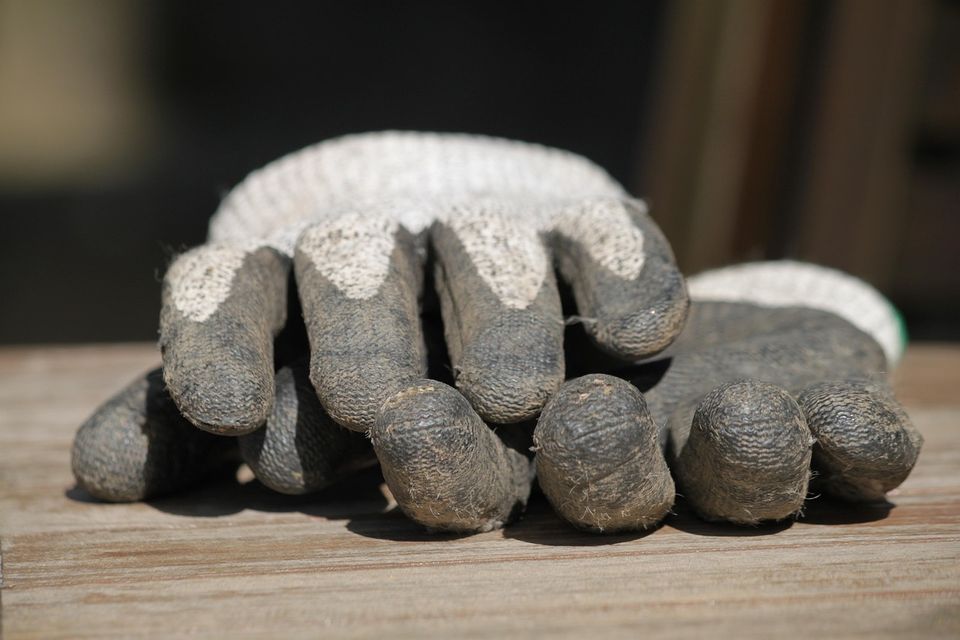
How to choose work gloves for warehouse jobs
Choosing work gloves for warehouse jobs starts with the hazard, not the brand. Here is how to match grip, cut and cold protection to the task.
Samir Ouali5 min read

Headlamp vs flashlight for work: hands free or not
Headlamp vs flashlight for work: a headlamp frees both hands, a flashlight is brighter and more focused. Here is how to pick for trades and night work.
Samir Ouali4 min read
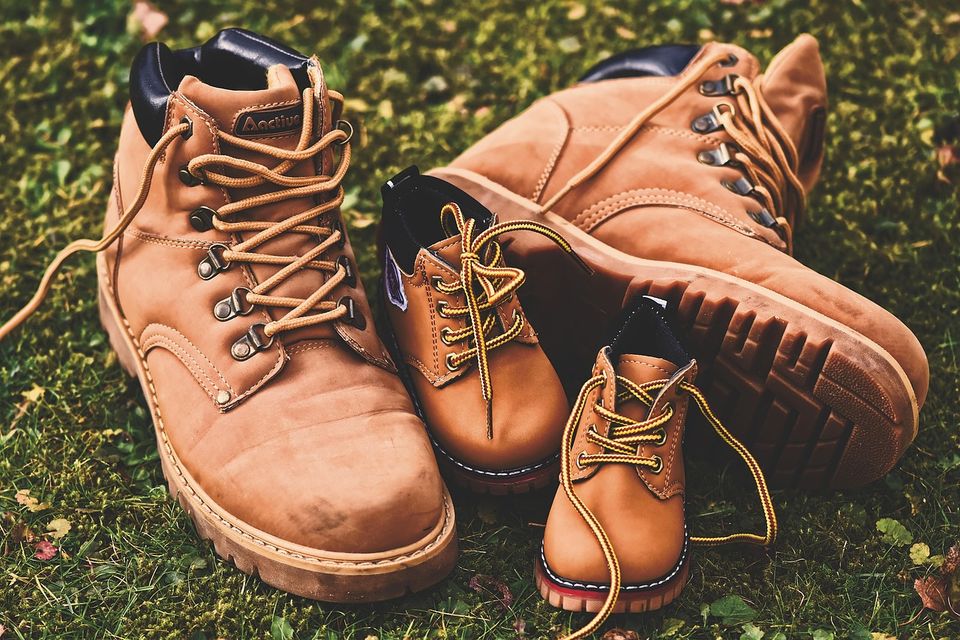
Steel toe vs composite toe boots for warehouse work
Steel toe vs composite toe boots for warehouse work: weight, cold, metal detectors and rules. Here is how to choose, and why your employer decides first.
Samir Ouali4 min read

Do you need a back belt for lifting at work?
NIOSH found no good evidence that back belts prevent injury for people without back problems. Here is what to do first, and who to ask about a belt.
Margaux Dupont2 min read

Tool bag vs bucket organizer for trades and site work
Tool bag vs bucket organizer for trades: bags carry more and zip shut, buckets sit stable and hold wet tools. Here is how to pick for your site work.
Margaux Dupont4 min read