
Baby carrier or stroller for the first months
A plain comparison of carriers and strollers for new parents: where each helps, where each fails, and the safety points to check with an official source.
Samir Ouali3 min read
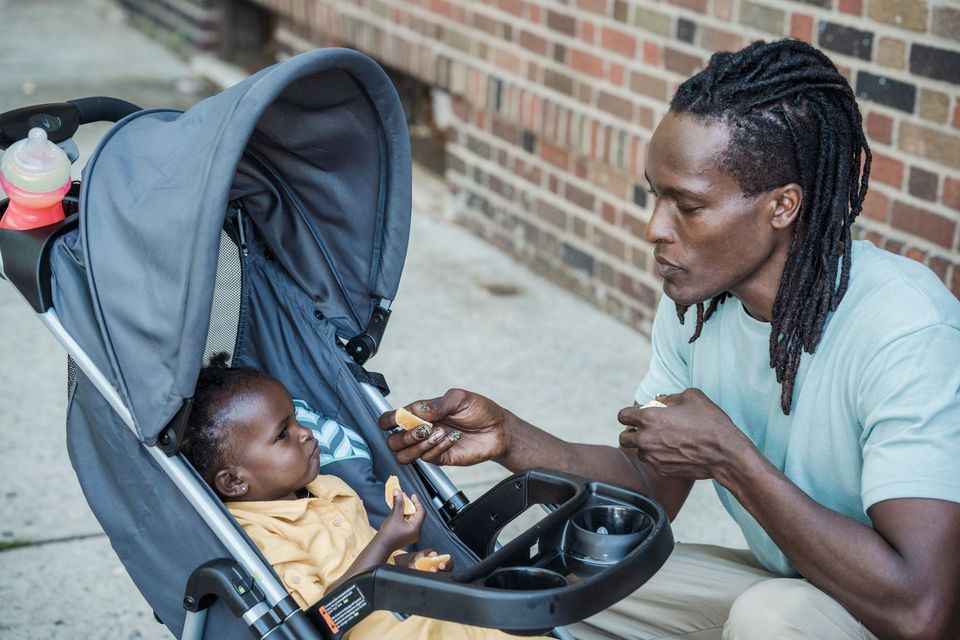
The short verdict: this is a decision about where you live, not which one is better. If you have stairs and short trips on foot, a carrier is easier. If you mostly go by car or have long smooth routes, a stroller is easier. Here is how they compare on the things that matter day to day.

| Factor | Carrier | Stroller |
|---|---|---|
| Hands free | Yes, but you carry the weight | Yes, you push |
| Stairs, buses, crowds | Easier | Harder |
| Back and shoulders | Load on you, so fit matters | Load on the stroller |
| Baby sleep | Often settles on you | Needs a good recline |
| Storage and shopping | Little | Usually a basket |
| Hot weather | Warm for both of you | Easier to shade and ventilate |
| What fails first | Strap padding, buckles | Wheels and fabric |
Where a carrier wins
If your days involve stairs, public transport or a baby who cries unless held, a carrier makes errands possible. It also fits in a cupboard.
Safety is the part to read carefully. The US Consumer Product Safety Commission has guidance on safe babywearing, including the risk of suffocation with some positions and some infants. The International Hip Dysplasia Institute also has guidance on carrying positions and hip health. Check the carrier's age and weight range with the maker, and ask your health visitor or paediatrician if your baby has any particular concern.
Where a stroller wins
A stroller carries the baby, the bag and the shopping. It is the easier way to go on a long walk on smooth ground, and it is easier on your back. Many models also let the baby sleep flat. Follow the maker's instructions on age, recline and harness use.
Our guide on how to choose a baby carrier for a newborn covers fit and safety checks in more detail, and the diaper bag or backpack question comes next.
The honest compromise
Many parents start with whichever fits the home. A flat with a lift suits a stroller. A third-floor walk-up suits a carrier. Second-hand is common for both, but check recall notices and wear. Do not buy a used carrier or stroller without checking that it still has all its straps and buckles.
End of shift
- First to go on a carrier: strap padding and stitching.
- First to go on a stroller: wheel bearings and fabric on the footrest.
- Friday check: buckles and harness on whatever you use daily, since this is the kit that holds your baby.
More to read
Keep reading

The first week home: what actually gets used
A column on the first week home with a baby: a few things get used all day and most of the rest sits in a box. Argued from general experience, not a review.
Samir Ouali4 min read

The 3 am station: set up one corner before the baby arrives
A short argument for setting up one small feeding and changing corner before the baby arrives, instead of buying a room full of gear you will not use.
Margaux Dupont4 min read
Diaper bag vs backpack: what new parents actually use
Diaper bag vs backpack for new parents: the answer depends on pockets, hands and who carries it. Here is how to choose without buying a second bag.
Margaux Dupont4 min read

How to choose a baby carrier for a newborn
How to choose a baby carrier for a newborn: check the age and weight range, the baby's position and the fit on you. Includes the safety points to check.
Margaux Dupont6 min read
How many newborn clothes do you need? A simple count
How many newborn clothes do you need? About seven to ten sleepsuits and bodysuits cover the first weeks if you can do laundry every few days.
Margaux Dupont2 min read
Do you need a bottle warmer? A quick answer
Do you need a bottle warmer? Usually no, since a bowl of warm water works. It helps for night feeds if you want a hands-off option. Here is the rule.
Samir Ouali2 min read