
Best bag for teachers carrying marking and a laptop
The best bag for teachers carrying marking is a backpack or a bag with a stiff back, a laptop sleeve and a base that stands up. Here is how to choose.
Margaux Dupont6 min read
A stack of exercise books, a laptop, a charger, a lunch and a water bottle adds up quickly. The weight feels fine at the door and awful at the end of the week. The right bag will not make marking lighter. It will stop the load from landing on one shoulder.
If you have shoulder, neck or back pain that lasts, see a clinician. A bag is not a treatment.
The decision rule
Ask where the bag goes. If you walk, cycle or take a bus, pick a backpack. If you drive and carry a small load, a structured tote is fine. If you carry both ways and the load is heavy, pick the backpack every time.
Backpack or tote?
| Factor | Backpack | Structured tote |
|---|---|---|
| Weight spread | Both shoulders | One shoulder or hand |
| Getting at things quickly | Slower | Faster, open top |
| Keeps folders flat | Depends on the back panel | Usually yes |
| Looks formal | Can look casual | Often looks neater |
| Good for a bus or walk | Yes | Not for heavy loads |
| What fails first | Zip, then strap stitching | Handle stitching |
Ruling: if the bag weighs more than you would like to hold for ten minutes, wear it on two shoulders.
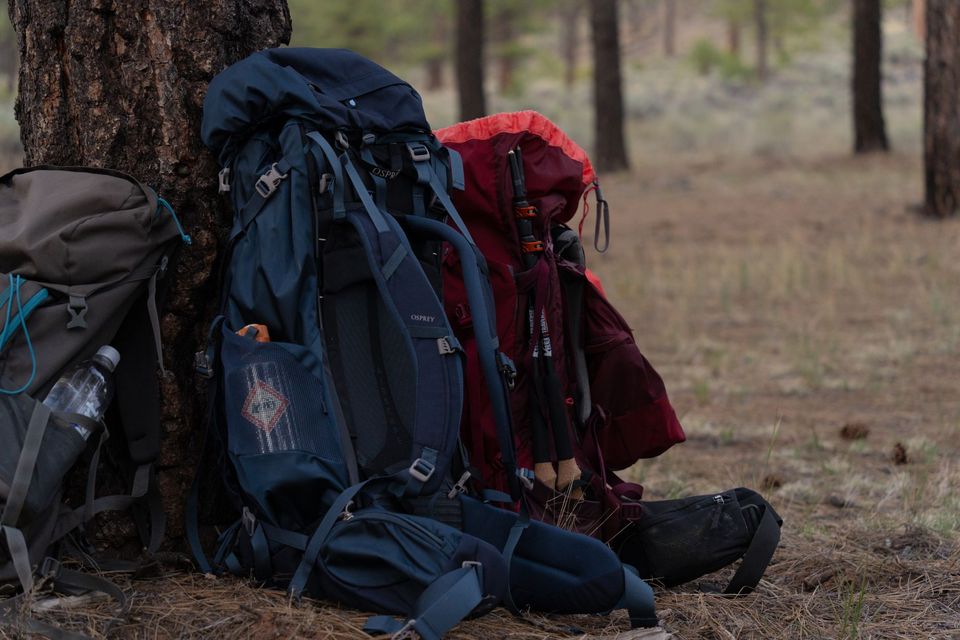
Features that matter
- A stiff back panel. It keeps books from poking you and folders from folding.
- A padded laptop sleeve that sits close to your back. Heavy things near your back feel lighter than heavy things hanging away.
- A base that stands up. A bag that falls over spills your marking.
- Adjustable straps. Pull them so the bag sits high, not at your hips.
- A side pocket for the bottle, so it never sits against your papers.
You can skip fancy compartments. A few big sections you can sort with folders are enough.
How to pack it
Put the laptop and the heaviest books flat against your back. Put folders in the middle. Put the light stuff, such as the cardigan and snack, on the outside. Do not carry marking you will not do. If a pile has been in the bag for three days, it is not going to get marked on the bus.
Many teachers also split work into one-day piles, using a cheap folder for each. It does two jobs: it stops papers from mixing and it makes the bag lighter on days when you have nothing to carry home.
Ruling: pack tonight's marking, not the whole week.
Common mistakes
- Buying for the first week. A bag that looks great empty can be awful once it is full. Load it with your real marking before you decide, or read the return policy.
- Carrying the whole job home. Marking you do not mark is just weight.
- One thin strap on a heavy bag. Thin straps dig in. Wide, padded straps spread the load.
- Hanging the bag on one shoulder out of habit. Switch sides, or switch to a backpack.

Where the answer flips
If you have a long walk and a heavy load every day, a backpack with a chest or waist strap can move weight off your shoulders. If you drive door to door and carry little, a good tote is simpler. If you share a classroom and move rooms, a bag with a handle on top is easier to grab than one you have to swing off your back.
Our note on classroom spending argues that you should look after your own feet, voice and water first. A bag that spares your shoulders belongs on that same short list.
What teachers usually carry
Across teaching jobs, a pattern tends to show. The bag holds the laptop, charger, a planner, a pile of marking, a lunch, a bottle and a cardigan. The cardigan is there because classrooms are cold or hot with no middle. Keep a small pouch for pens, a stapler and plasters so you never dig around for them.
Rain and spills
Papers hate water. A bag with a coated fabric and a flap, or a clear plastic folder inside, saves a term's worth of work. A bottle that leaks is the other risk, so check the lid before it lives in the bag. Our note in stop buying classroom decor argues for a bottle you will actually carry, and this is the place to put it.
Budget tiers in plain words
At the low tier ($), expect basic fabric and thin straps. They are fine for a light load. At the middle tier ($$), you usually get padded straps, a back panel and better zips, which is where most teachers should look. At the top tier ($$$), you pay for finer materials and finish. Unless you carry a heavy load every day, the middle tier covers the job. Check the stitching on the strap ends and the zip, since they are the parts that fail first.
School rules and security
Your school may have rules about laptops and student data leaving the building. Ask your head of department or IT team what you may take home. If you are allowed to take it, keep the bag with you or in a locked space.
End of shift
- First to go: zip pull and strap stitching.
- Friday check: empty the bag and shake out crumbs and loose paper.
- Weigh it once on the bathroom scale. The number may surprise you.
Quick questions
How heavy is too heavy for a teacher's bag?
There is no single number that fits everyone. If the bag leaves marks on your shoulder or makes you lean, it is too heavy. Take less or use two shoulders.
Is a rolling bag a good idea?
It saves your shoulders on flat ground. It is awkward on stairs and buses. Pick it only if your route is smooth.
Should I carry my laptop in the same bag as my lunch?
Keep food in a separate pouch or insulated bag. Spills ruin laptops and marking.
More to read
Keep reading
How to stop losing your voice when teaching
Losing your voice from teaching all day is common. Here is how to stop it with water, rest and simple habits, and when to see a doctor about it.
Margaux Dupont2 min read
Insoles vs anti-fatigue mat for teachers who stand all day
Insoles vs anti-fatigue mat for teachers: one goes where you go, the other covers one spot. Here is how to choose for a classroom with hard floors.
Margaux Dupont4 min read
Stop buying classroom decor. Buy these three things first.
An opinion for teachers: spend on your feet, your voice and your water before posters and bins. The room can wait, but you cannot, so start there.
Samir Ouali2 min read
What to keep in a teacher desk drawer for a bad day
What to keep in a teacher desk drawer: a short list of small items that fix the usual problems, from a dead phone to a missing marker, without clutter.
Margaux Dupont5 min read

Laminator vs sheet protectors for teachers
Laminator vs sheet protectors for teachers: one makes sturdy resources that last years, the other is quick and reusable. Here is how to choose for your room.
Samir Ouali4 min read
Best water bottle for teachers who talk all day
The best water bottle for teachers is large, spill-proof and easy to refill. Here is how to choose one that you will actually drink from between lessons.
Margaux Dupont2 min read